


















Throughout President Donald Trump’s time in office, he has not shied away from using social media to get his voice and opinions out. Sharing controversial AI clips, quotes and videos, the president has utilized various methods of getting messages across. Recently, however, his videos and usage of different forms of pop culture have crossed the line to potential copyright infringement, and he has been called out from various sources.
In an AI post depicting Trump in a plane, dumping brown sludge on protestors, the president used the song “Danger Zone,” by Kenny Loggins. In response, the singer stated that, “Nobody asked me for my permission, which I would have denied, and I request that my recording on this video is removed immediately,” asking for the video to be taken down. The request was not heard and the video remains posted.
On May 4, 2025, Trump “celebrated” the Star Wars-themed day by posting an AI photo of himself in robes, wielding a red lightsaber. In the Star Wars universe, a red lightsaber is the weapon of the Sith, the villains throughout the entire story. Whether a lack of research or a purposeful photo, the red lightsaber led to much controversy and discussion.
Jan. of 2026 saw President Trump’s policy to get 2% and whole milk back into schools, and with it came another post using pop culture. In a pixelated post mimicking the game Stardew Valley, he pushed for the policy. However, this led to much backlash from fans of the game. Many compared President Trump to Jojo Co., the large corporation within the game that attempts to take over the town where the player lives. While the creator of the game has not responded to the post, it was widely considered to be an out-of-place use of the game.
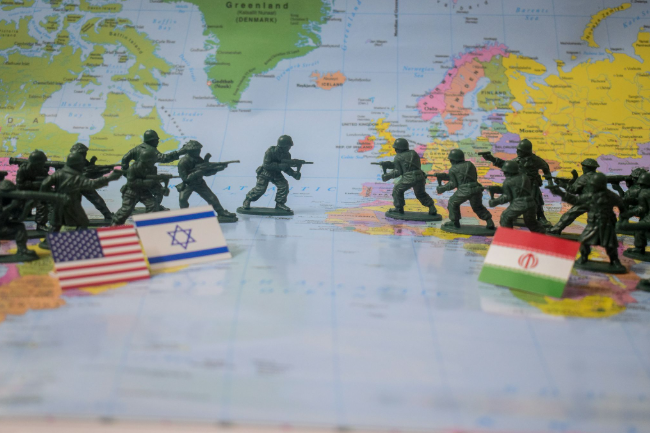
Since the bombing in Iran, President Trump has ramped up his usage of pop culture to showcase what has happened. In a video that he posted, he used a clip of the Dragon Ball character Beerus, the god of destruction, stating “here it comes,” before the main character achieves a new transformation and becomes more powerful. Instead of the original scene, however, Trump put in clips of Iran being bombed. Toei Animations, the studio that produces and licenses DBS, is known for being very strict on copyright issues, but it is yet to be seen if they will release a statement about the usage.
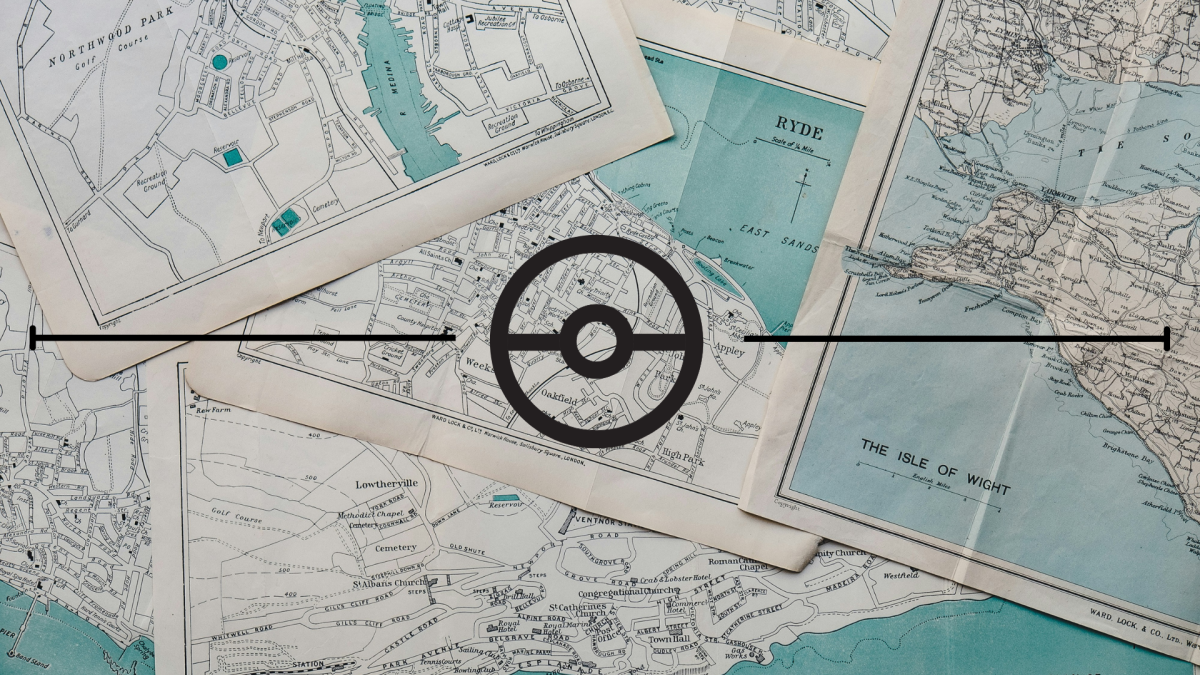
The most recent example comes with the use of Nintendo’s new Pokémon game, Pokopia, being utilized by President Trump in a post stating his motto, “Make America Great Again.” He put the text in the font used by Pokopia, and overlaid it on a photo of the game. However, Nintendo has always been very strict on the use of their intellectual property, and a Nintendo spokesperson quickly responded to the post: “We were not involved in its creation or distribution, and no permission was granted for the use of our intellectual property. Our mission is to bring the world together, and that mission is not affiliated with any political viewpoint or agenda.” Nintendo has not yet taken any legal action, as a case against the government would likely be expensive and lengthy.
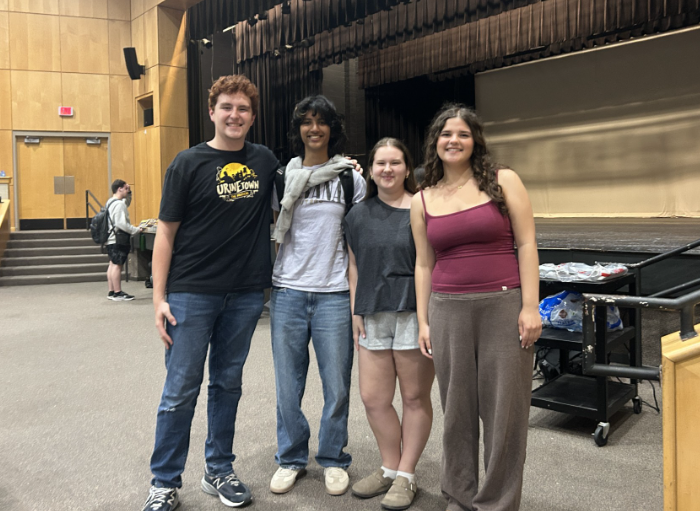
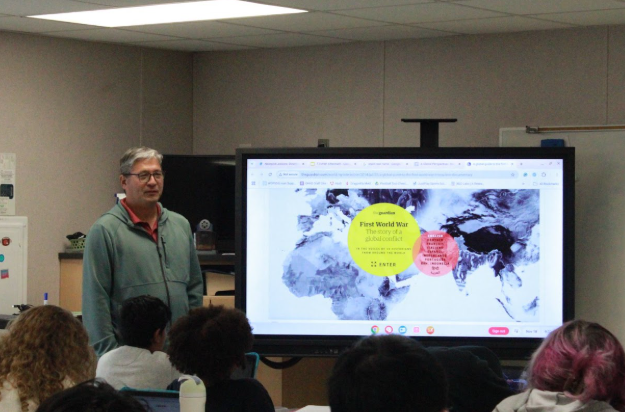
To find out more about the legality behind the government’s use of this intellectual property (IP), the GH Falcon sat down with Economics and Personal Finance teacher Ms. Kim Mackey. She began by explaining what IP is, in simple terms. “Intellectual property is when you own something that is not tangible. So, if you create something, you’re entitled to that as a property right,” she stated. Copyrights, trademarks, design rights and patents are the four types of intellectual property, and these cover everything from music, to video games, to new inventions.
Mackey then discussed the legality of the government’s use of this intellectual property, sharing, “That is something that courts settle. If the owner of the IP, whether it’s Nintendo or anyone else, is taking an issue with it, then they can file a lawsuit or a cease and desist to try to address that.” This would be the potential next steps of Loggins and Nintendo, who both took issues with the posts using their IP.
In Loggins’ case, he specifically asked for the post to be taken down. Mackey discussed how, “If they specifically make that request [to take it down], the expectation is that it’s followed, or else the person posting it has to make the case that the design or image does not fall under IP.” The post with Loggins’ song was not taken down, even after his request, which would set up the possibility for a legal case.
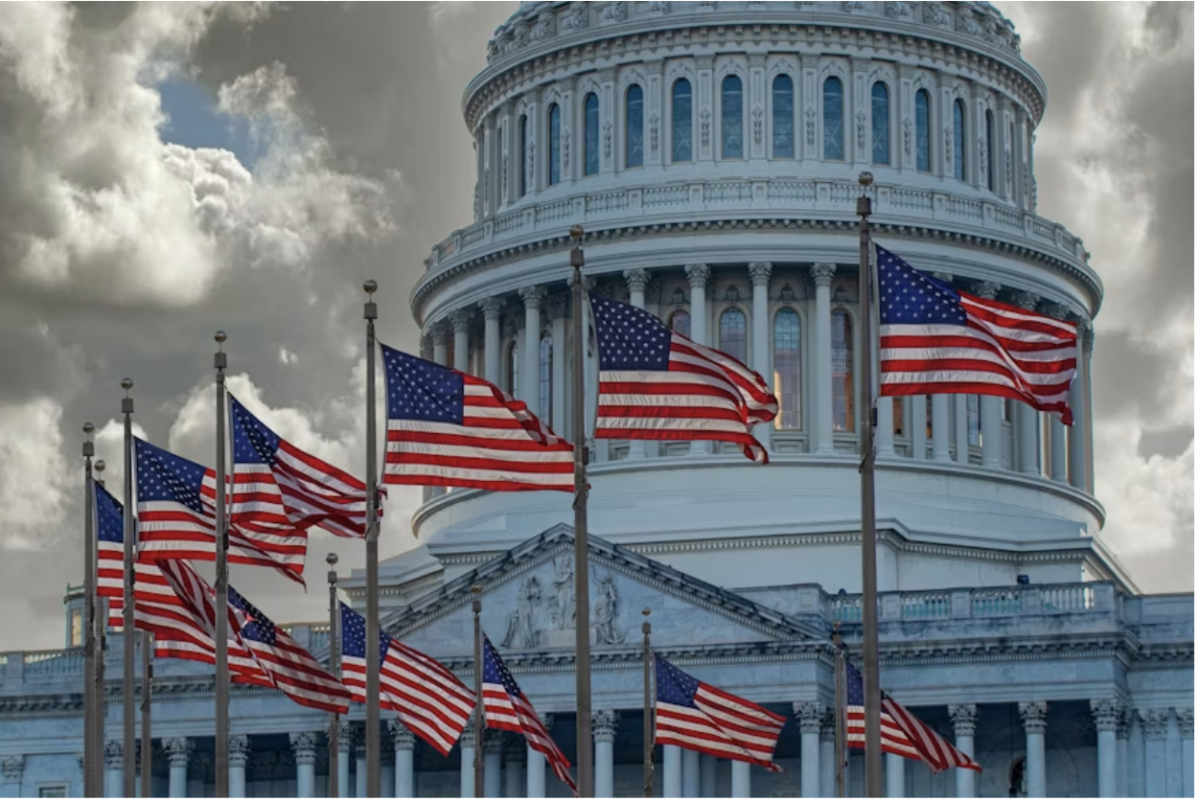
The government is subject to legal cases just as individuals or companies are, and Mackey discussed both how someone may file a case, but also whether or not this was likely. “Governments can be parties to lawsuits. Sometimes they file lawsuits, and sometimes they are the ones being sued. Federal courts would be the ones to hear those cases,” she shared, “Whether or not someone would file a lawsuit depends on the extent of their IP. For example, Disney is very vehement, because that is their whole business model.”
In Nintendo’s case, they have been very strict with use of their IP, especially in the cases involving Pokémon characters and games. Mackey explained their potential next steps after they publicly took issue with the post. “Since Nintendo has not just the images, but also the game consoles and games, then it’ll come down to their cost-benefit analysis, and if they think it’s worth it, either for the financial benefit or just standing on principle.”
It is yet to be seen if any companies or individuals will take legal action against the government for the use of their IP without express permission, or what the next post from President Donald Trump will bring, but it is a situation that has seen much public controversy and isn’t expected to end anytime soon.