






























































Teachers across the country are changing how they teach as students’ attention spans continue to shrink in the age of TikTok and Instagram. Many educators say that after years of watching quick 15–30 second videos, it has become harder for students to stay focused during longer lessons in class.
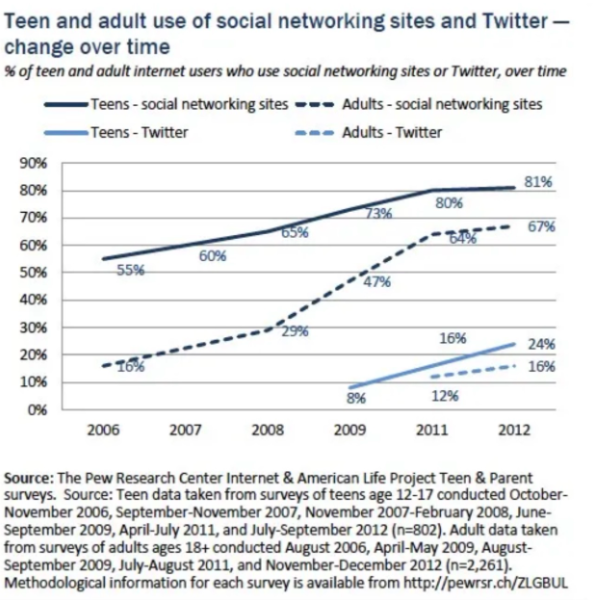
Research says that attention spans on digital devices have dropped significantly over the past two decades with students spending more time than ever on social media and other fast-paced platforms. Because of this, teachers are feeling pressure to redesign lessons so students are not just sitting in their seats, but actually learning with the material.
One strategy teachers use is breaking lessons into shorter, more manageable sections. Instead of lecturing for an entire period, they divide class into brief chunks that each focus on a single idea or activity. This connects to the concept of “chunking,” the idea that people can only hold a limited number of items in their working memory at one time. By turning big topics into smaller pieces, teachers hope students can follow along more easily and remember more of what they learn.
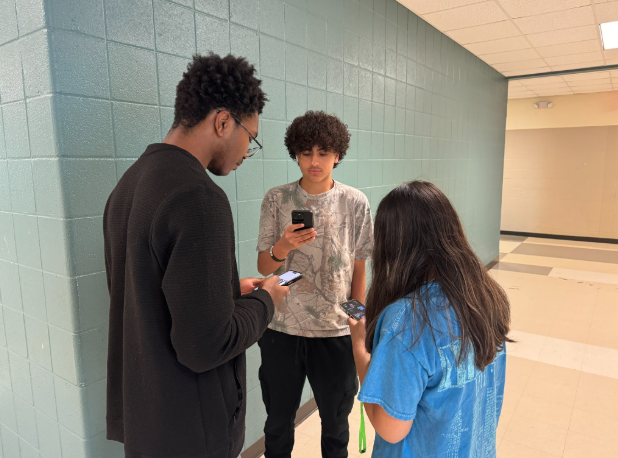
Students say social media plays a role in how long they can focus. Nicole Odledeck, a student at Green Level High School, believes apps like TikTok and Instagram make it harder to pay attention in class. She explained that students get used to constant scrolling and fast content changes. Nicole also pointed out that even simple phone notifications can distract students during lessons and pull attention away from the teacher.
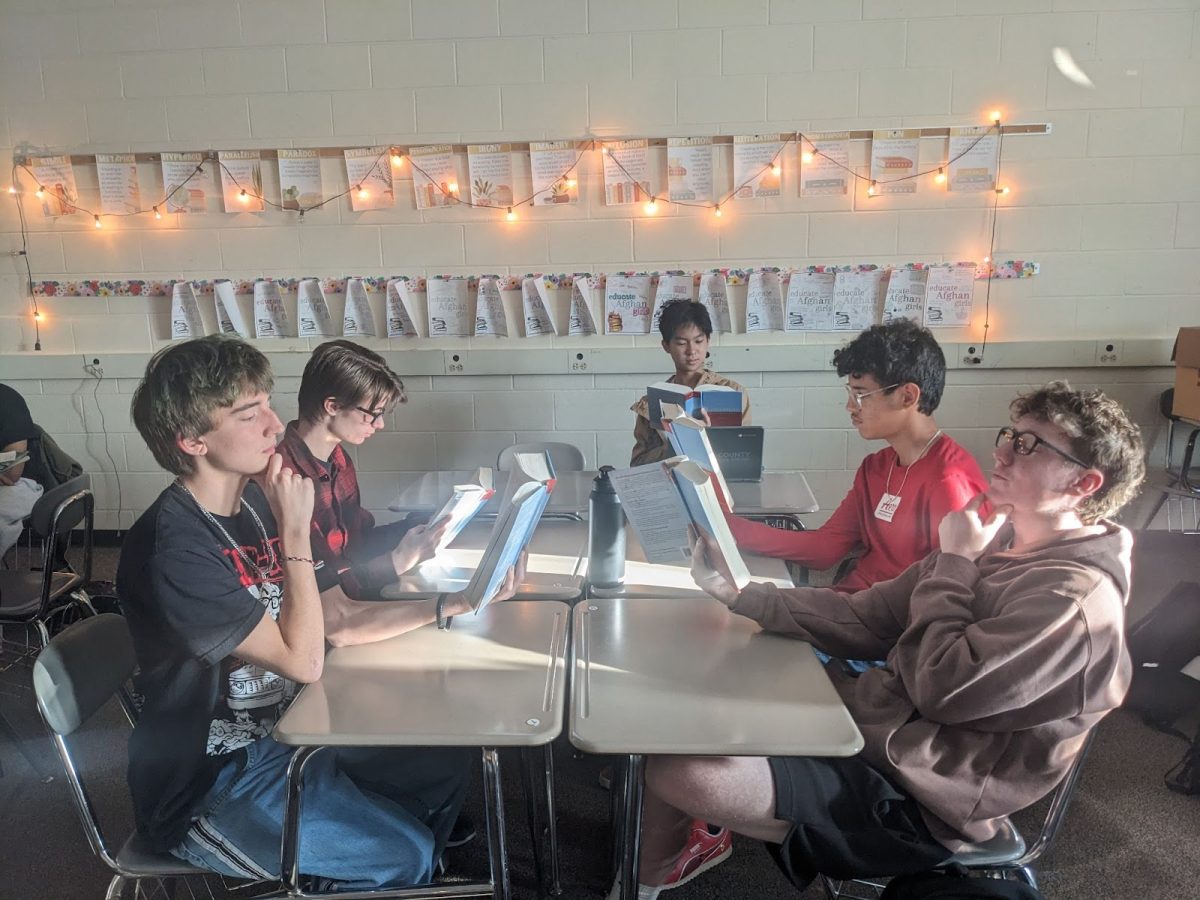
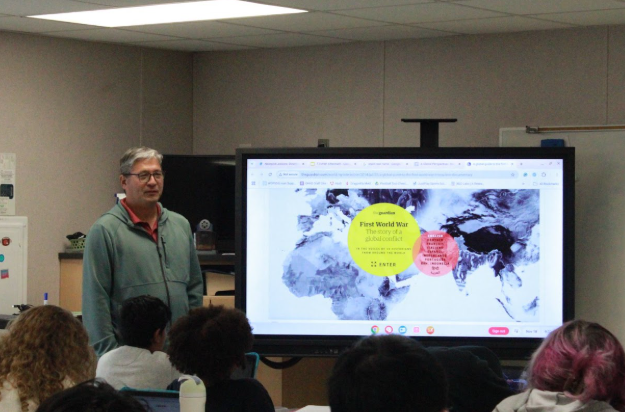
Teachers at Green Hope High School see the same problem from the front of the room. Coach Howell, a teacher and coach at the school, said he has clearly noticed a change in how long students stay focused. To respond, he has changed the way he structures his classes. Instead of long, continuous lessons, he breaks instruction into smaller segments and group activities. He also uses educational games to give students short mental breaks while still keeping the material connected to the topic.
Shorter attention spans have become a challenge in classrooms, but teachers are continuing to experiment with new ways to keep students engaged. By breaking lessons into smaller chunks, using educational games and rethinking classroom activities, many hope they can adapt to students’ needs without lowering expectations.