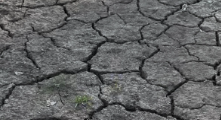













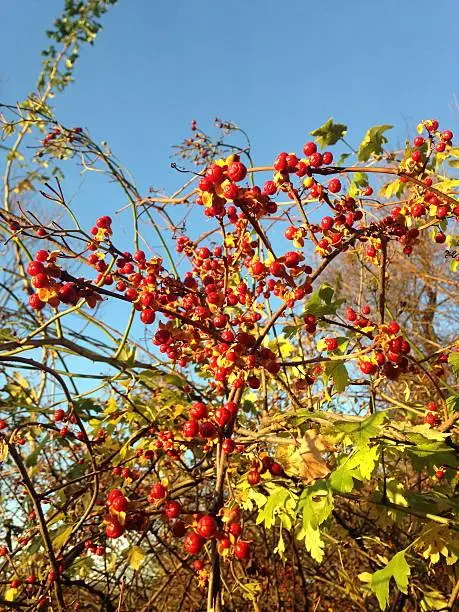





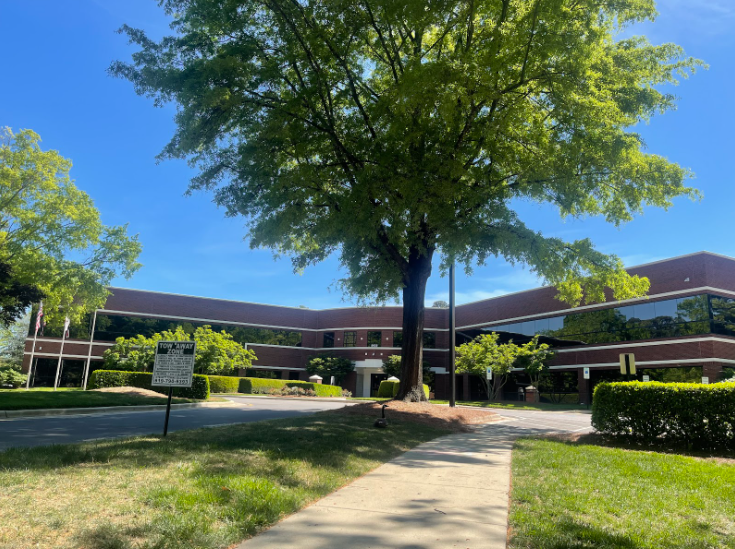














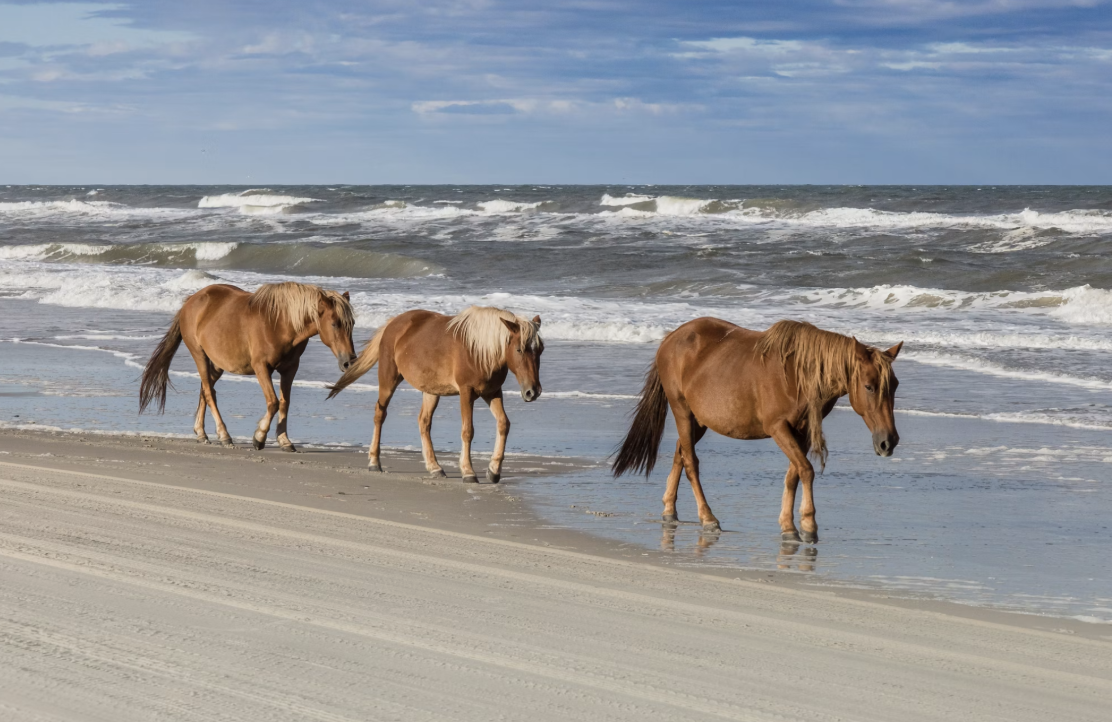


































When people think of North Carolina, they often picture lush green mountains, green fields in the piedmont, and a beautiful coastline. However, the state has been facing a serious environmental crisis. A massive drought. Over the past several months, a severe lack of rainfall combined with unusually warm temperatures has left soil barren, streams thinning, and local reservoirs historically low. While a drought may just seem like a streak of sunny days, its impacts are deeply affecting the state’s environment, economy, and everyday life.
While the drought became glaringly obvious to most residents during the spring, climate scientists trace its true origins back to the late summer of 2025. Following a very dry fall, North Carolina missed out on its typical winter rains and snows that usually recharge the state’s water systems. By early 2026, an unseasonably warm high pressure weather pattern locked itself over the Southeast. This created a phenomenon known as a “rain block” causing precipitation levels to plummet. By the spring of 2026, cities like Raleigh and Charlotte reported being more than 6 inches below their normal rainfall totals for the year, with some parts of the state facing an 18 inch low compared to historical averages.
Droughts create a domino effect through an ecosystem. Because the dry spell has lasted for over half a year, the impacts are being felt across multiple sectors:
Agriculture and Soil: Farmers are facing major challenges. Without enough moisture in the upper layers of soil, planting spring crops has been difficult, and crop yields are at risk.
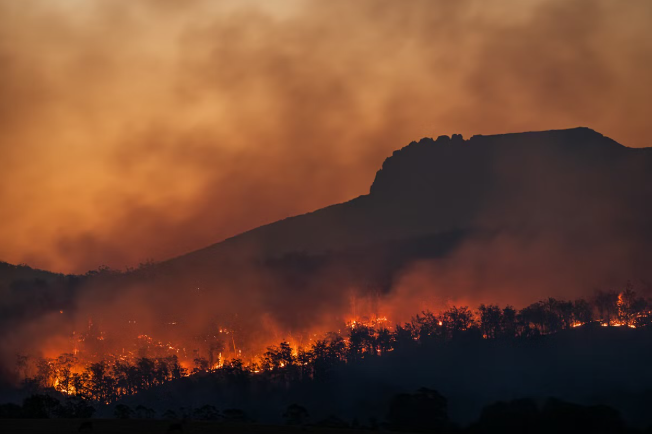
Wildfire Risks: Parched forests and dried out brush act as perfect fuel for fires. The state has already seen an increase in dangerous wildfires, such as the Rosindale Road fire in Bladen County, prompting forestry officials to issue frequent burn bans.
Groundwater and Streams: Local creeks and streams have dropped to record low flows. Also, deeper underground water levels, which are measured by the state’s drought indicator wells, have hit their lowest marks since records began in 1965.
One of the most visual and alarming signs of the drought is the dropping water levels in North Carolina’s popular lakes and reservoirs. These bodies of water are crucial because they provide drinking water to millions of citizens and generate hydroelectric power.
Here is a look into some of the current local reservoir situations:
- Falls Lake | Triangle (Raleigh/Durham)| Dropped nearly 3 feet below target level | visible exposed shorelines
- Lake Norman | Charlotte Metro Area | Over 2 feet below its target level.
- Fontana Lake | Western NC (Mountains) | Fell more than 7 feet below summer | target levels due to low mountain inflow
Thankfully, lake operators anticipated the dry spell late last year and held winter water levels higher than normal. This forward thinking move prevented a water shortage crisis. However, as summer heat increases water evaporation and drives up daily water usage, these lakes are under immense pressure. Visitors to these areas are greeted by wide bands of dry, cracked mud where water used to be, and boat ramps have had to close in some areas for safety.
North Carolina’s drought is a powerful reminder of how fragile our natural resources can be. While recent scattered thunderstorms have offered temporary relief to topsoil, they are a drop in the bucket compared to what the state actually needs to recover. It will take months of consistent rainfall to refill groundwater reserves and bring lake levels back to normal. Until then, state officials are urging residents to be mindful of their water usage. Conservation is a team effort when nature fails to deliver.