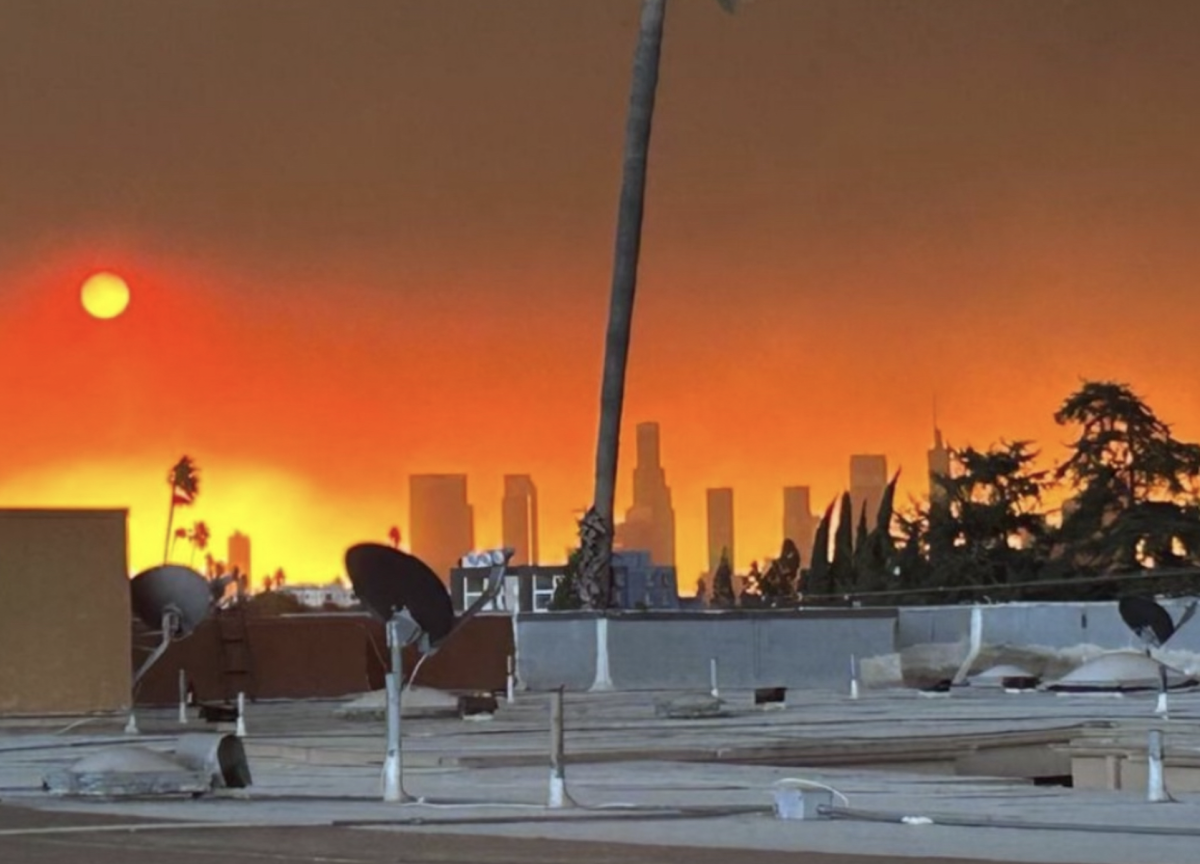







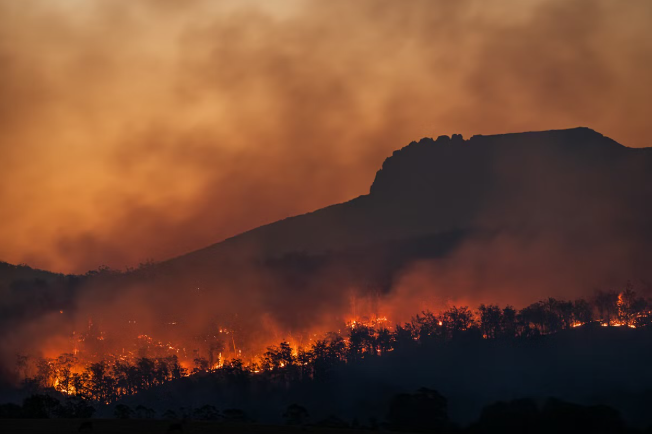















































442,000 hectares of land have been burned across Australia and South America, with droughts occurring across the Southern Hemisphere. While the United States has begun to warm up after its rather cold winter, the Southern Hemisphere has been ablaze. Australia, South America and South Africa have been experiencing record temperatures for January, with the highest at 50 °C (122°F) in Andamooka, Australia, on the 29th. Heatstroke and exhaustion are major threats to locals with these consistently high temperatures; firefighters have collapsed during emergency responses alongside vulnerable audiences such as the elderly and children, whose bodies can not handle the long stretches of heat.
The agriculture industry has suffered major economic losses from heat waves, failing irrigation systems and fires. Food insecurity is expected to rise as the year progresses, while southern countries will lose plenty of money because of the burning of land dedicated to agriculture and emergency services. South America makes up 55% of the world’s production of soybeans and roughly 39% of its sugarcane. Australia accounts for the majority of wheat production, and South Africa produces the most maize globally. With a combined population of around 496 million people, the wealth divide between the North and South countries/continents will continue to grow as a result.
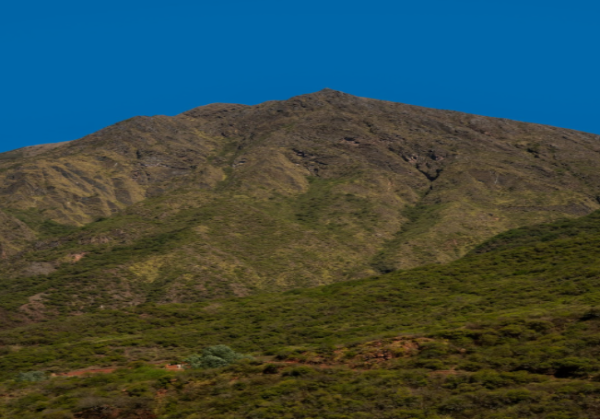
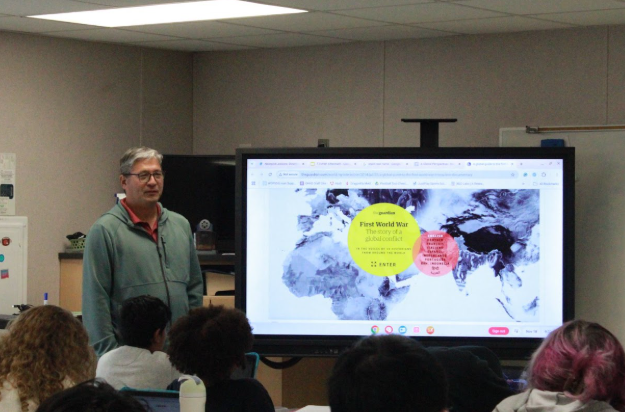
While the cause of the fires is different every time, the consistent high temperatures across these regions are the result of the greenhouse effect and the naturally occurring weather pattern, El Niño. Ms. Magee, head advisor of the meteorology club at Green Hope, wanted to add to this matter. “We are all seeing the same shift in the jet stream; the shift in our northern and southern hemispheres is changing weather patterns around the world,” she stated. This change causes global waters to shift eastwards instead of towards the west.
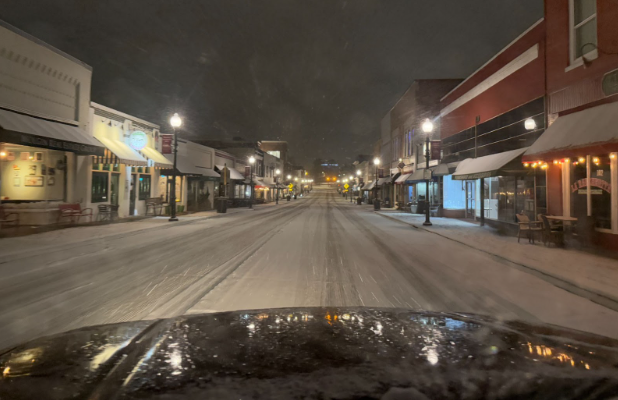
Chile has been affected by the changing jet stream, having long-lasting high-pressure systems in the area, which decrease cloud coverage and evaporate standing water. This increased radiative exposure causes the desiccation of soil and vegetation. The forested regions of Chile such as Biobio and Núble, are where most of the burning has occurred this year. On the other hand, the shift has caused more low-pressure systems to form over the northern hemisphere. Cold air from the poles travels over land below the warm atmosphere that traps moisture, increasing the year’s average for snowfall.
If the jet stream were to shift again during the Northern Hemisphere’s upcoming summer, similar conditions would begin to take place. This was observable during the Canadian and California wildfires, which erupted about a year ago under a high-pressure system. In the past, the El Niño event could not easily ignite a fire because of the planet’s lower average temperature and its release of heat during the night. With the greenhouse effect in place from the industrial revolution, heat is retained in the atmosphere and through bodies of water. Drying the land continuously until a spark is formed.
People still can change the future of Earth’s climate, and now more than ever people need to act instead of standing by. Well-respected climate expert Dr. Hayhoe believes the tipping point can be avoided if people share their concerns through activism. “It is absolutely true that we can no longer avoid all the impacts already unfolding. It’s also true that climate activism is happening on too small a scale.” Sustainable development goals such as biking to work or riding in electric vehicles are paramount if done in mass. If society wants fresh air and morning rain, it must be a combined effort of the masses.