








































































On May 6, the meeting for the remapping of Tennessee’s electoral districts took place. In a move that was previously considered unconstitutional, Memphis, the only blue (Democratic) district in the state, was split into three different red (Republican) districts by the state.
While redistricting happens every census and is common, this move has more to it than meets the eye. Memphis happens to be one of the largest cities in the U.S with a majority of African American citizens, containing a 62.9% black population. The old blue district reflected this black majority, but now the three new ones have sliced the black population and grouped them in with conservative rural areas that have more republican voters. This makes the move to split Tennessee’s districts a form of Racial Gerrymandering. What is this and why is it now constitutional?
For decades, the 1965 Voting Rights Act prohibited, “Voting practices or procedures that discriminate on the basis of race, color or membership in one of the language minority groups.” (Section 2 of the Voting Rights Act) In 1982, Congress even passed legislation to further extend provisions of the act. One specific factor the legislation suggested for courts to consider was, “The extent to which the state of political subdivision has used voting practices or procedures that tend to enhance the opportunity for discrimination against the minority group, such as unusually large election districts.” While Memphis was split into smaller districts, many argue that the split specifically does enhance the opportunities for discrimination.
So what changed for the Voting Rights Act? On April 29, the Supreme Court announced its decision in the controversial Louisiana v. Callais case. To summarize things, a 2022 congressional district map from Louisiana included a majority-black district, which was challenged as a racial gerrymander. After the supreme court argued the decision, they finally released their verdict in 2026. In a 6-3 decision, SCOTUS declared, “Because the Voting Rights Act did not require Louisiana to create an additional majority-minority district, no compelling interest justified the State’s use of race in creating [the district], and map is an unconstitutional racial gerrymander.”
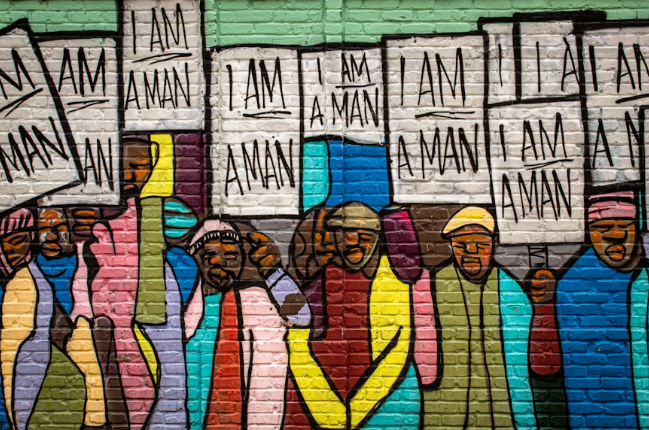
As SCOTUS claims it’s eliminating race-based redistricting with its ruling, this ignores the reason the Voting Rights Act was originally made: to prevent southern states from silencing minority and black voices in elections.
After the ruling, majority republican southern states have already rushed to redistrict, as seen in Tennessee. The states moving to redistrict, like Louisiana and Tennessee, are the same that once enforced vicious Jim Crow laws to bar African Americans from voting. To some, this comes as a brutal step backwards in Civil Rights.