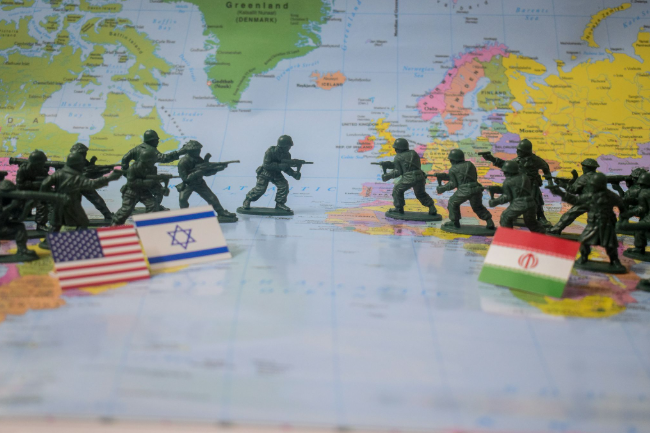




























































As world leaders gathered to discuss cybersecurity, war and technology, the consequences of their decisions extended far beyond the conference hall. The Munich Security Conference (MSC), held Feb. 13-15, brought together leaders around the globe, like Ukrainian President Volodymyr Zelenskyy and UK Prime Minister Keir Starmer, to address pressing issues such as Middle East security and rising geopolitical tensions. While the conference may seem distant from real life, the decisions made in Munich can affect our everyday lives, from US military spending to gas prices.
The purpose of the MSC is to prevent conflict and coordinate responses to emerging threats. Leaders use this conference to strengthen alliances and address global conflicts. In an increasingly connected world, security issues in one area can quickly spread across economies worldwide.
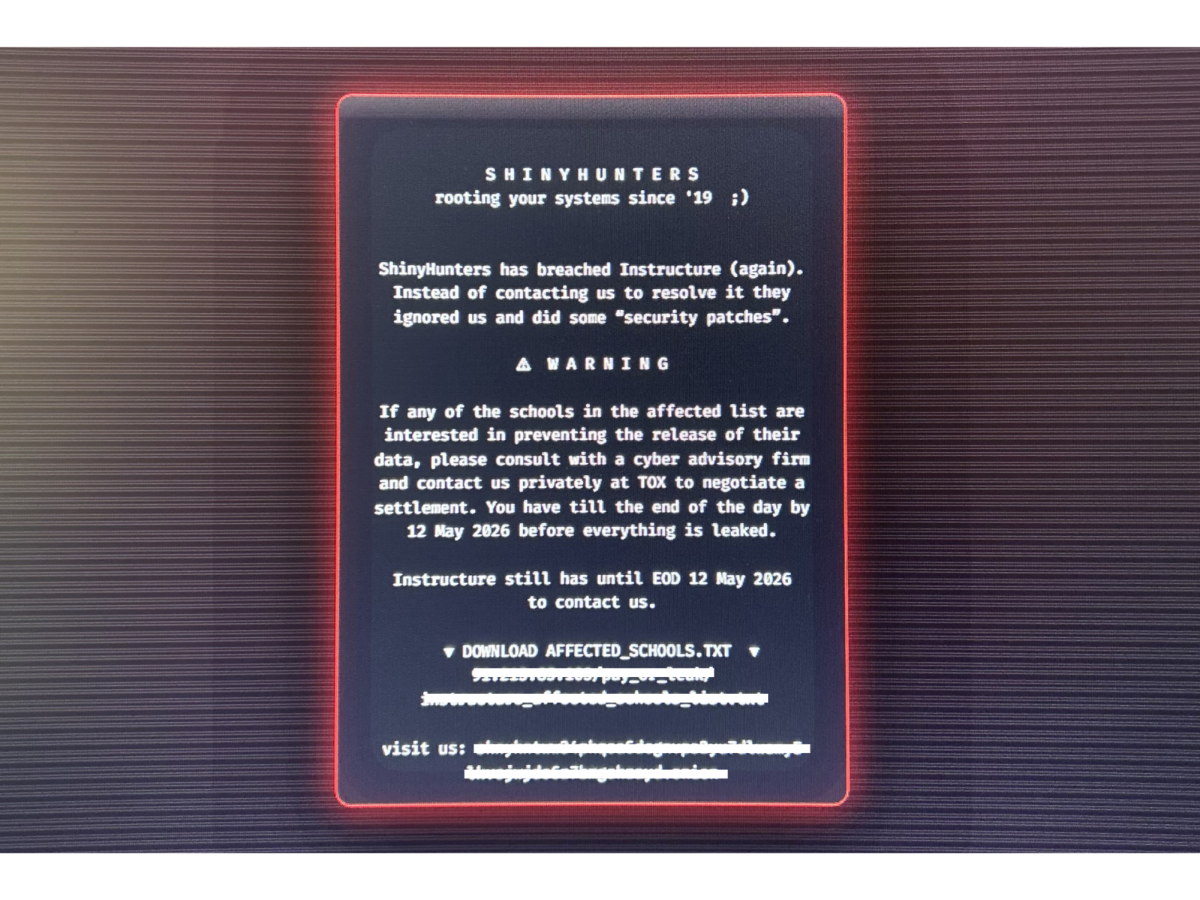
Cybersecurity was one of the more important issues discussed at the conference. According to nytimes.com, recent cyberattacks have targeted pipelines, hospitals and government systems in both Europe and the US. At the conference, leaders discussed sharing intelligence and improving digital defenses. These discussions can influence how governments protect personal data.
This year’s main focus was the ongoing war in Ukraine. President Volodymyr Zelenskyy urged Western nations to provide financial support to Ukraine and offer assistance against Russia. According to Reuters.com, US and European leaders pledged their support to Ukraine and discussed future defense commitments. BBCNews.com also reported that Ukraine was at the center of the conference, with many leaders saying European security depends on the outcome of the war.
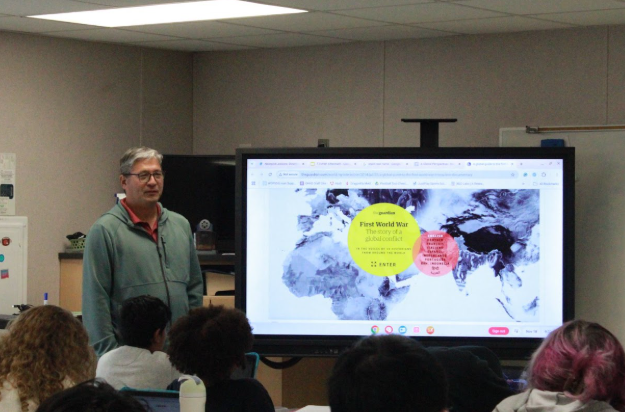
Jenna McBrayer is a teacher at Green Hope High, currently teaching AP Government and Lessons of Vietnam. When asked if conferences like the MSC actually change US policy, she said: “I think that really depends on what is discussed, and if any policy changes are put in place to back them up. Cybersecurity is a major aspect of national security, and it’s getting more and more complicated by the day, as systems evolve and those that could do us harm evolve along with them.”
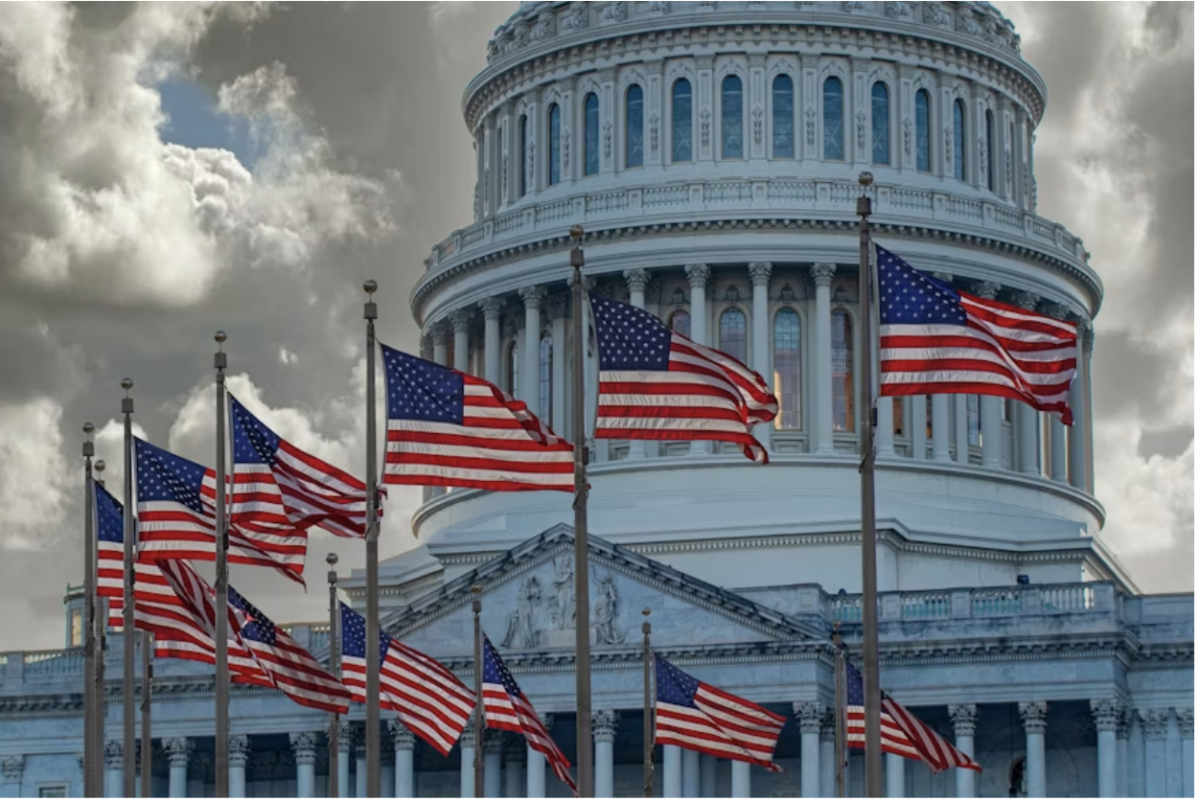
One example of how the MSC has changed US policy is seen in the legislative response to global conflicts. Since 2022, lawmakers have approved billions of dollars in aid for Ukraine. According to crsreports.congress.gov, the Congressional Research Service has tracked several funding bills that included military and humanitarian assistance. Each of these bills must pass through the House of Representatives and Senate, which often leads to debates about government spending.
But how important is security to our everyday lives? Dmitry Ashkin (‘27) of the Black Falcons answers that question: “Security is VERY important.” Ashkin is a junior and a member of the Black Falcons, the cybersecurity club at Green Hope. He explains, “Think about it: your entire life is on your phone: DM’s, bank details and personal information. People think that getting hacked only happens to characters in movies, but it can genuinely happen to anyone.” Maintaining digital security is one of the most important things to keep your private life private. For everyday people, security isn’t about government files, but about keeping yourself safe. Whether you’re ordering food, posting on your social media or texting your friends, you’re leaving a digital trail that anyone can follow without the proper security measures.
Ultimately, the MSC serves as a reminder that security isn’t a one-size-fits-all solution. At one end of the spectrum, world leaders like President Volodymyr Zelenskyy are arguing for the survival of a nation, and on the other end of the spectrum, students like Dmitry are advocating for smartphone privacy. While the scale is different, security is about one thing: protecting people from those who wish to do them harm.