










































































As the American Government releases classified documents known as the “Epstein Files,” controversy has erupted across the country. Some are demanding investigations while others ignore them entirely. Celebrities, CEOs and political figures are all included, putting the world’s elite up to questioning.
Jeffrey Epstein acquired his second private island, Little St. James, in the year of 1998 for $7.95 million, under the conception of a permanent residence and a place for “scientific research,” controlling every person who entered and exited the island. It was later revealed in 2019 that Epstein used this seclusive island as a hub for major sex trafficking, with a large majority of whom were minors. Along with this, Epstein also had many visitors on the island, such as Bill Clinton, Elon Musk and Bill Gates being mentioned multiple times as frequent visitors to the island.
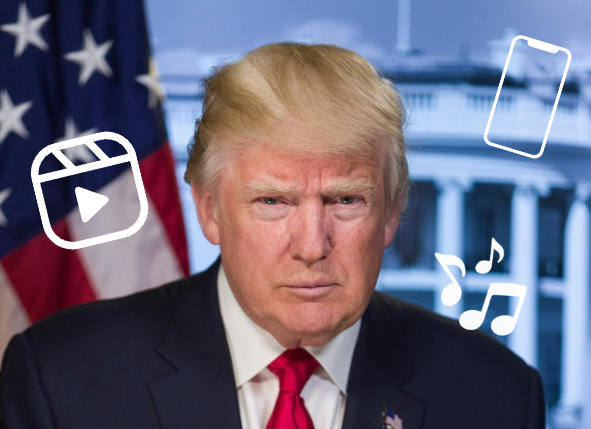
Much anger has been directed towards President Donald Trump, after his connections to Epstein have been made public. While the number varies, one major news source, The New York Times, stated in an article that they used a search tool to find over 5,300 files mentioning the President in released records from the Department of Justice. The supposed friendship between the two does bring Trump into fair questioning. While Trump has denied some connections, such as a signature of a birthday letter to the child trafficker, his connection requires further investigation with the amount of mentions he has in these records.
Additionally, many Trump supporters have become upset with his administration’s backpedaling away from releasing classified files. In the President’s most recent campaign in 2024, his administration originally promised to release the files, but later labeled them a distraction. It took the Trump administration until November of 2025 to sign the “Epstein Files Transparency Act,” which requires the DOJ to release all unclassified records and materials that relate to the investigation and prosecution of Jeffrey Epstein. The Act also states that materials naming individuals in connection with the prosecution of Epstein, including government officials, must be released.
Some, however, would say the administration took a very long time to take any steps towards releasing the files, additionally leaving in the act that the DOJ may, “withhold certain information such as the personal information of victims and materials that would jeopardize an active federal investigation.”
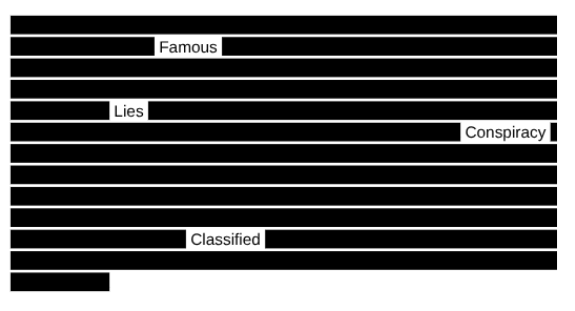
The Trump administration has been periodically releasing more of the files, but the process has been impaired by significant controversy and technical failures. In January of this year, the DOJ released over 3 million pages, including thousands of videos and images, which officials claimed would be the “final” release under the act. However, this release sparked immediate outrage when it was discovered that faulty redactions allowed the public to easily uncover incriminating information.
Ultimately, the release of the Epstein files has raised more questions than it has answered. While the Trump administration highlights the almost 3.5 million released pages as proof of its transparency, many remain suspicious with the mass redactions of powerful figures from the files. These documents may not have settled the scandal, but have ensured that the shadow of Epstein’s wide network will continue to haunt the world’s elite for years to come.