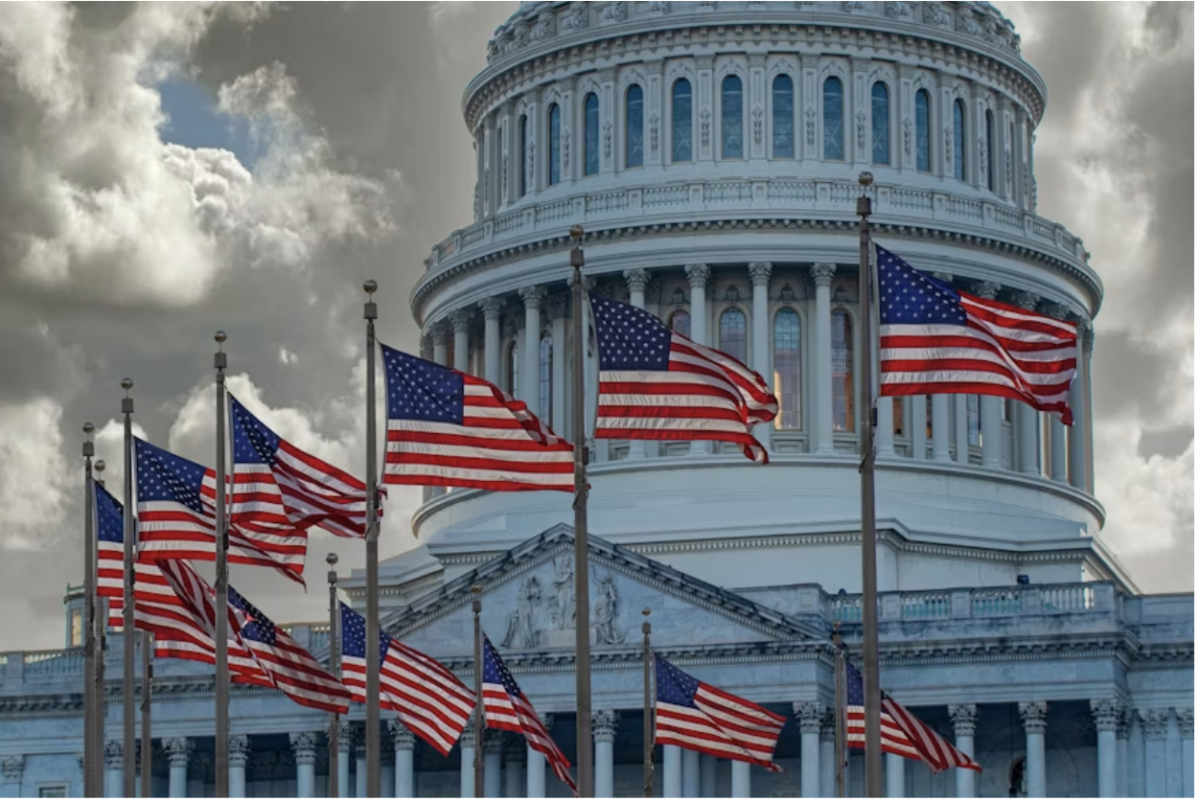


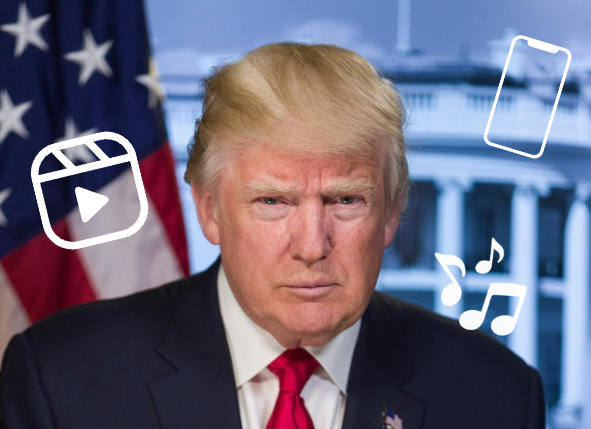































































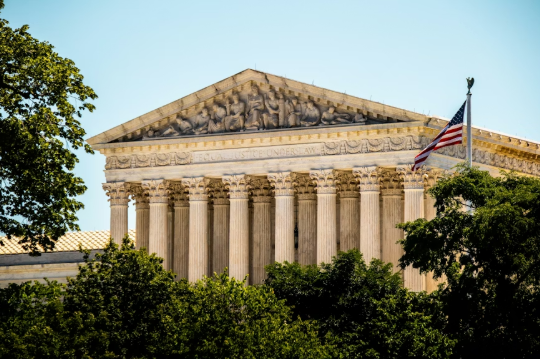
On Feb. 20, the Supreme Court of the United States struck down tariffs that had been placed by President Donald Trump through multiple executive orders.
In the court’s statement, they declared that Trump had overstepped his authority from powers given to him in the International Emergency Economic Powers Act (IEEPA) from 1977. The act states the president has “broad authority to regulate a variety of economic transactions following a declaration of national emergency.”
President Trump’s tariffs in question were declared largely in February of 2025. When issuing these executive orders, he stated that he had previously declared a state of national emergency back in January of 2025. This relates to an executive order known as Proclamation 10886 in which Trump declared “that a national emergency exists at the southern border of the United States.” After the declaration of national emergency, Trump followed up by placing the tariffs in February.
The Supreme Court has since declared Trump’s tariffs as unconstitutional, stating that the president doesn’t have this authority. Chief Justice John Roberts wrote, “Article 1, Section 8, of the constitution specifies that ‘The Congress shall have Power to lay and collect Taxes, Duties, Imposes, and Excises.’” Roberts went on to explain that this means the Executive (the president) has no explicit taxing power written in the Constitution. He further clarified, “The government thus concedes that the president enjoys no inherent authority to impose tariffs during peacetime.” As for IEEPA, the act shouldn’t give the president the power to unilaterally impose tariffs as that would be “a transformative expansion of the president’s authority over tariff policy.” Additionally, as IEEPA only dates back to 1977, the Chief Justice noted, “That lack of historical precedent coupled with the breadth of authority that the President now claims, suggests that the tariffs extend beyond the president’s legitimate reach.”
Now that the ruling has been set, what’s the result? Shortly after the court’s decision, Trump placed new tariffs that will go into effect at 10%. The president no longer has IEEPA but still claims he has emergency power to set these tariffs from Section 122 of the Trade Act of 1974.
The White House Official Website provides more information: the 10% tariffs will be temporary and will last for a period of 150 days. Additionally, the tariffs come from the Trump Administration’s plan to rebalance trade relationships and protect the U.S. economy to benefit workers, farmers and manufacturers.
On the other hand, the new tariffs do mean increased consumer prices in the daily lives of many Americans. In placing the new tariffs, President Trump also goes against the Supreme Court, and while he may have found new legal justification with Section 122, that is still not legally settled. This means the new tariffs could be placed unconstitutionally as the Supreme Court declared the same of Trump’s previous tariffs.
This has now reopened the door to businesses reclaiming millions of dollars from the government. Many businesses are now able to pursue lawsuits against the U.S. Government itself now that the Supreme Court has struck down tariffs.
While tariffs have been struck down by the Supreme Court, they are still around for now. A few big questions remain: can the president deny the Supreme Court with a new excuse for tariffs? And will the American people pay through the nose from tariffs and businesses reclaiming lost money? The Supreme Court has made their ruling, now who will enforce it?