


















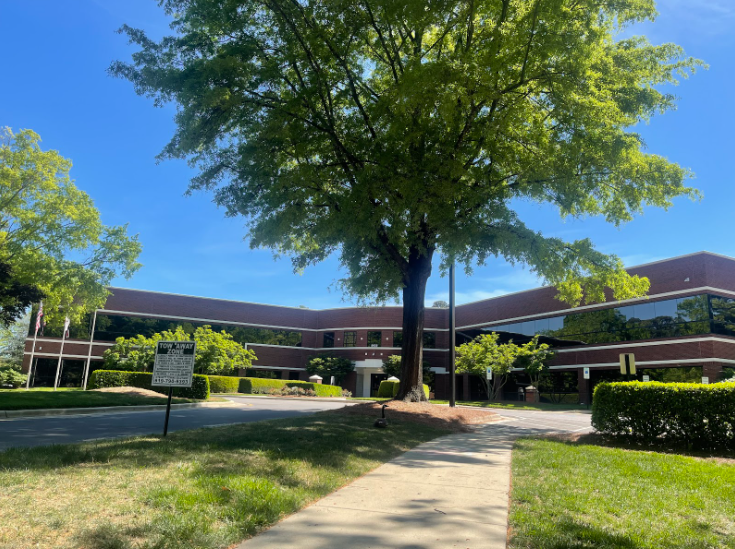












































As SAS celebrates its 50th anniversary in 2026, the company reflects on five decades of leadership in data analytics, artificial intelligence and business technology. Founded in 1976 in Cary, North Carolina, SAS began as a project focused on statistical analysis and has since grown into one of the world’s leading analytics software companies, serving organizations in more than 150 countries.
Originally created to help researchers analyze agricultural data, SAS evolved alongside the rapid growth of technology and data science. Over the years, the company expanded into industries such as healthcare, banking, education, manufacturing and government. Long before artificial intelligence and big data became widely discussed topics, SAS was already developing advanced analytics tools that helped organizations make informed decisions through data.
One of the company’s major strengths throughout its history has been its ability to adapt to changing technology. SAS transitioned from traditional statistical software into cloud-based analytics platforms and AI-driven solutions. Today, products such as SAS Viya and SAS Visual Analytics allow businesses and organizations to analyze large amounts of data, predict trends and improve decision-making using artificial intelligence.
SAS has also built a reputation for innovation and employee satisfaction. The company has consistently been recognized as one of the best places to work due to its strong workplace culture, employee wellness programs and long-term career opportunities. Many employees have spent decades at the company, contributing to both technological advancements and the supportive environment SAS is known for.
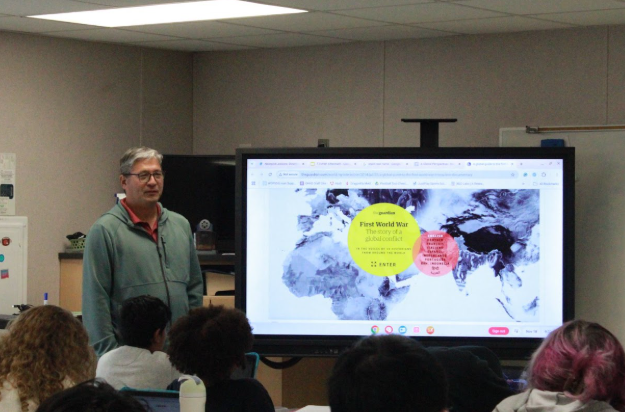
Paul Polo, a Software Development Manager who has worked at SAS for nearly three decades, first became interested in the company while attending North Carolina Central University. “After visiting the campus and reading a magazine about how SAS is one of the best places to work, I realized SAS offered both career growth and a positive workplace culture.” Throughout his career, Mr. Polo contributed to important projects, including, “securing a software patent early in his time at SAS and helping develop administrative software within the company.” Today, he continues helping lead the advancement of SAS Visual Analytics technology.
Another longtime employee, Ursula Polo, began her journey at SAS nearly 19 years ago in technical support before becoming a solution architect, an IT professional who bridges the gap between business problems and technology solutions. Her prior experience working directly with customers helped shape her interest in helping businesses solve problems through analytics software.
Over the years, Mrs. Polo said, ”I’ve attended and presented at SAS conferences, connected with customers and written blogs to help business leaders better understand analytics solutions.” Like many employees, she believes SAS stands out because of its balance between innovation and employee support.
As technology continues to evolve, SAS remains focused on the future of artificial intelligence and analytics. Employees at the company continue developing new solutions designed to help organizations manage data responsibly and make informed decisions in a rapidly changing world.
The company’s 50th anniversary represents more than just a milestone in business longevity. It highlights the impact SAS has had on the technology industry, workplace culture and the future of analytics. From its beginnings as a university research project to becoming a global leader in AI and data analytics, SAS has spent five decades shaping how organizations use data to solve real-world problems.
As the company enters its next chapter, SAS continues to focus on innovation, customer success and preparing for the future of AI-driven technology.