


























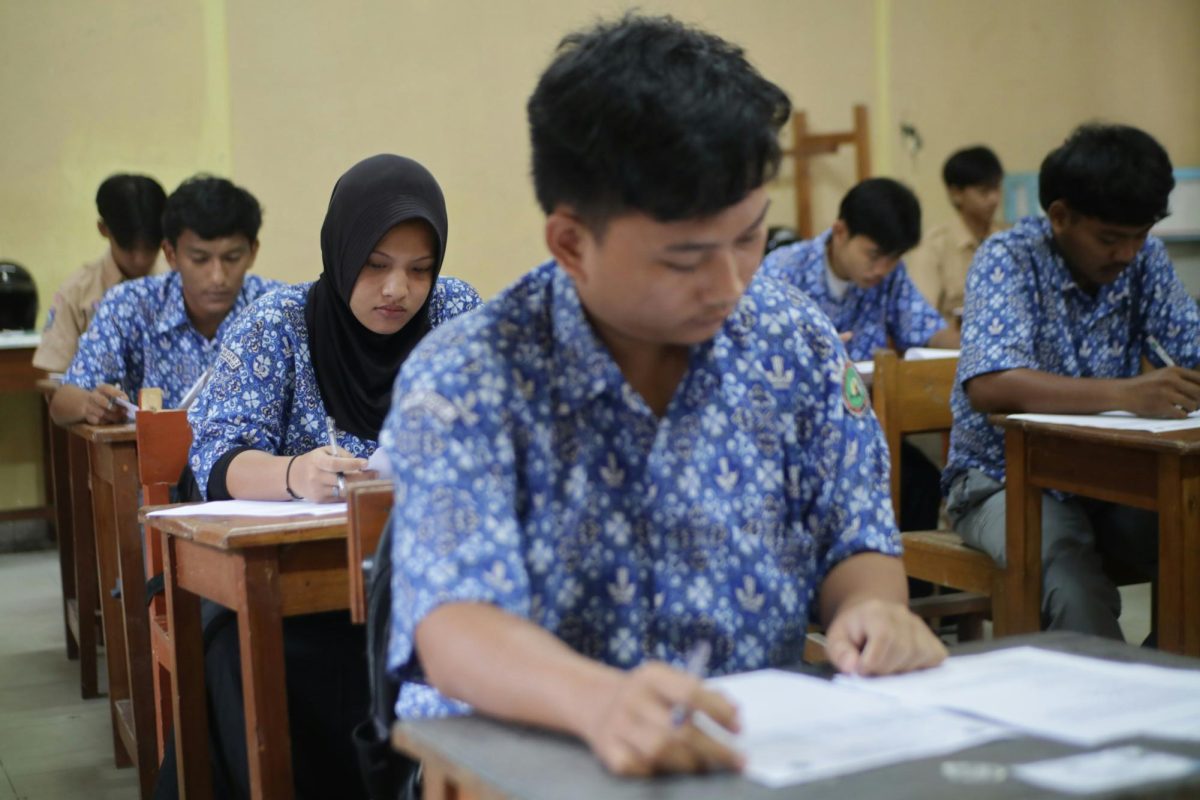



Before the sign-up sheet is even passed around, students have already come to a sound conclusion: They’re not going.
Across the Wake County Public School System (WCPSS), competitive extracurriculars like HOSA’s Regional Leadership Conference (RLC) and International Leadership Conference (ILC) are becoming harder to afford. Registration fees, hotel costs and travel expenses continue to rise, while school funds have failed to keep pace. The decision to compete is no longer driven just by interest or challenge – it’s about cost.
The financial strain adds up for students and their families, especially as the once covered expenses are now shifted towards them.
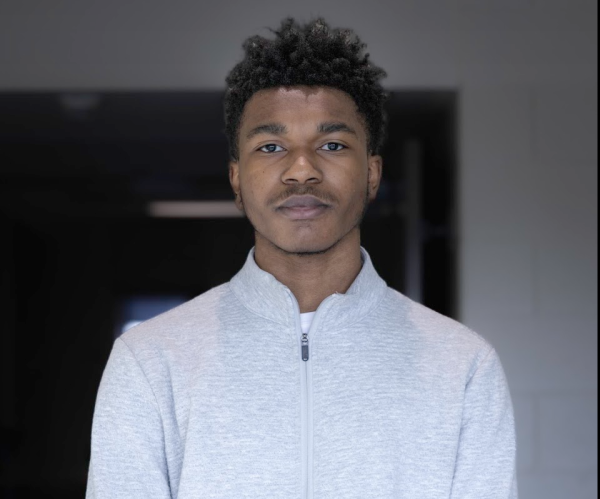
“It’s gotten really expensive,” HOSA competitor Kyley Lloyd (‘26) said. “Wake County used to cover buses, but now students are left with the charge. If you flew, you’d have to rent a car, and if you drive it’s still expensive from the gas. We’ve been seeing fewer students going compared to a few years ago.”
Without school-provided transport, students are responsible for navigating their own travels out of their own pockets, whether that be flying, renting or driving across states. Competitions like ILC, often held in major cities such as Indianapolis, can cost thousands of dollars when combining registration and lodging fees.
Some students count themselves out because of the financial barrier before they leave the meeting. Even those who qualify and are interested may have to turn down the opportunity. Not because it’s unimportant, but because they simply can not afford to attend.
HOSA is not alone in this situation. Other competitive clubs, such as DECA and Speech & Debate, are confronted with similar challenges. Students are forced to make the same decisions about attendance, affordability and reconsidering the events entirely across programs.
There has been an increased effort for fundraising. However, the money raised is not substantial enough to counteract the cost. This all occurs while students are expected to balance their classes with the added pressure of expenses for their extracurriculars.
The impact goes beyond just missing a trip.
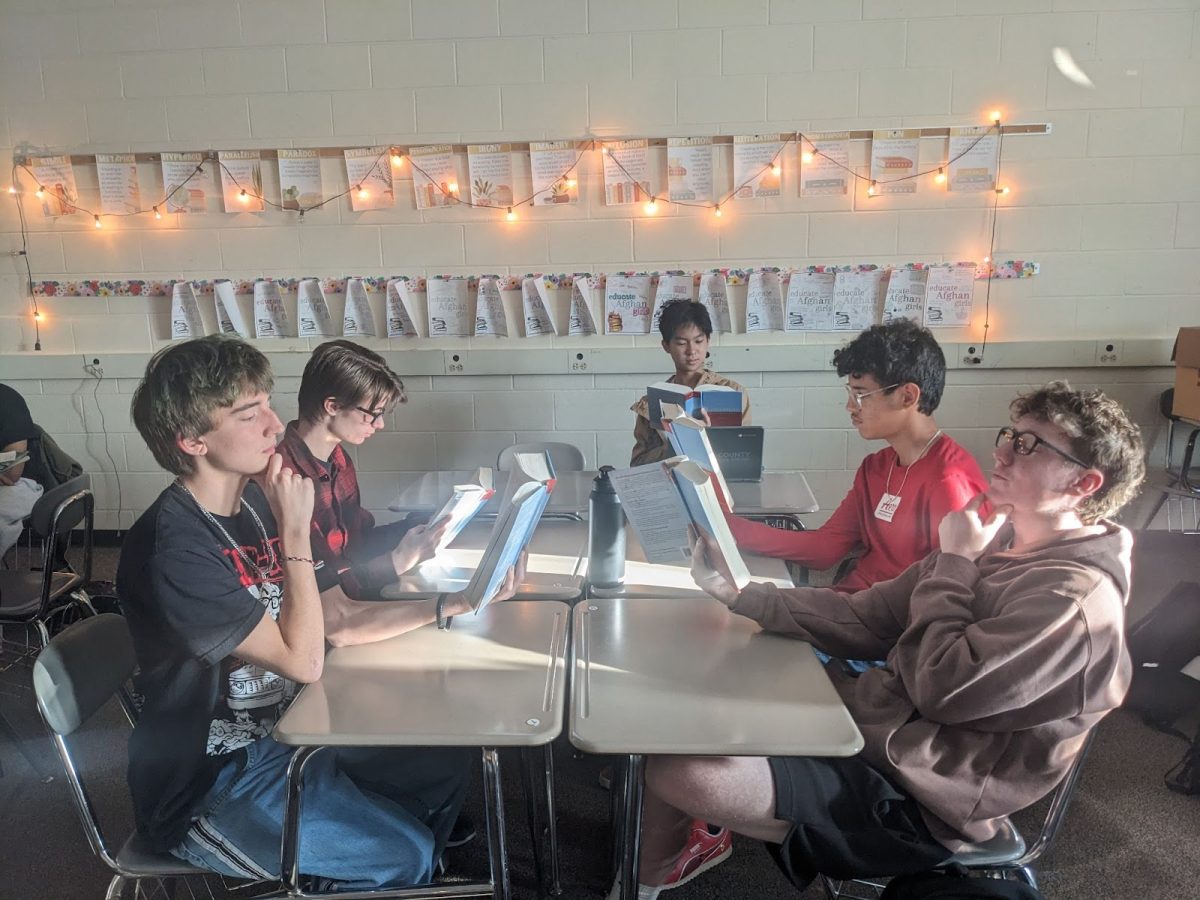
Clubs like HOSA are designed meticulously to provide real world experience in their related fields such as healthcare. Competitions allow students to apply their accumulated skills into professional settings or career paths which are unable to be replicated in a classroom.
“It is absolutely worth it if you’re passionate,” Lloyd proclaimed. “My partner and I worked for months on our project. When we placed for states, we were excited to have the chance to compete in ILC.”
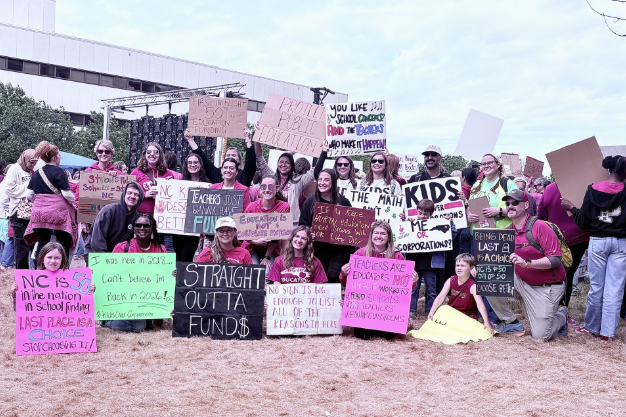
As costs continue to rise, access continues to shrink. Opportunities that used to be available to anyone interested are now harder to reach, creating a gap between those who can participate and those who cannot. WCPSS continues to face budget challenges, but the students are left with a single conclusion. It is no longer just about wanting to participate. It’s about who can afford to.