




























































“I’m not going to start a war. I’m going to stop wars.” One of President Donald Trump’s most famous campaign promises, the promise to stop wars, has come back into discussion with the recent conflicts blooming with Trump’s international involvement.
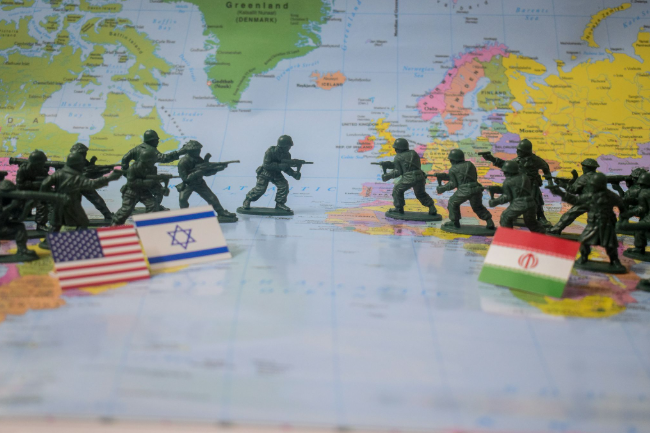
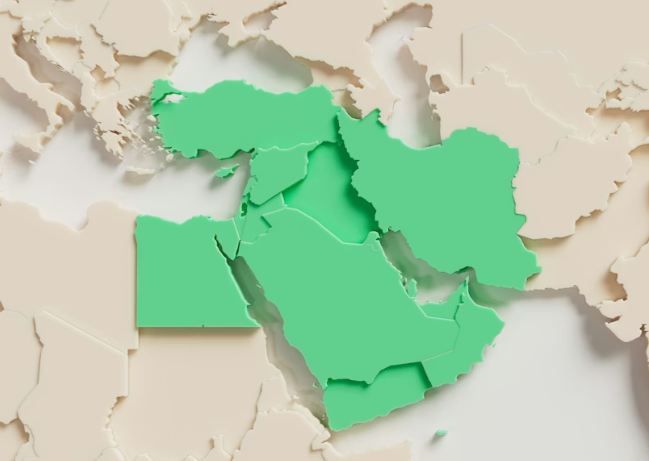
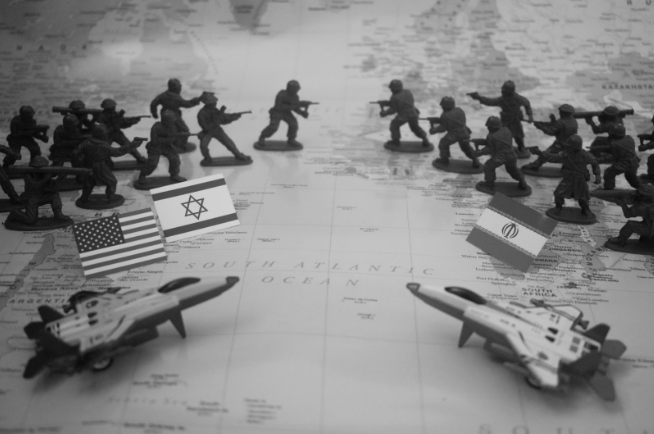
A recent example is the strikes Trump carried out earlier this month against Iran that left the former Iranian supreme leader dead. While Trump managed to take out the supreme leader, he left at least 1,200 dead in the wake of the ‘victory’; both a mixture of military personnel and everyday civilians.
While Trump was able to kill the former Supreme Leader of Iran, Ayatollah Ali Khamenei, he allowed the Supreme Leader’s son, Mojtaba Khamenei, to take his father’s place. This has raised questions online of what the point of bombing Iran to remove the leader was if the son was just going to take his place.
A more “successful” bombing that occurred in January, were the strikes against Venezuela, where the former dictator, Nicolás Maduro, was captured. While many were celebrating the fall of a dictator, conversations went back to the at least 40 deaths that occurred from the strikes.
However, those are just the most talked about strikes that Trump carried out against other nations. Quieter strikes occurred in late 2025, when Trump released strikes against Nigeria on Christmas day of 2025, targeted toward ISIS locations that were accused of committing violence against Christians and rural communities. It is unclear on how many Islamic people died in the strikes, and how many Christians got caught in the crossfire, but according to a PBS News article: it’s estimated that more than 200 people were at least injured and that the people had recovered at least 10 bodies at the time of the article’s publishing.
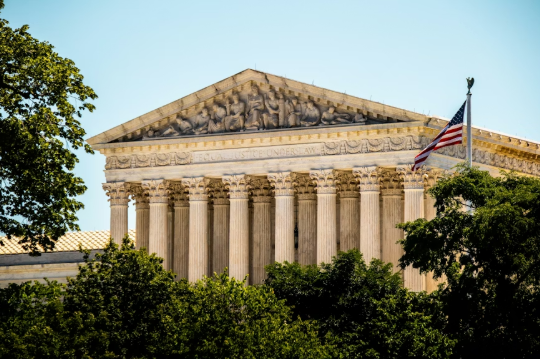
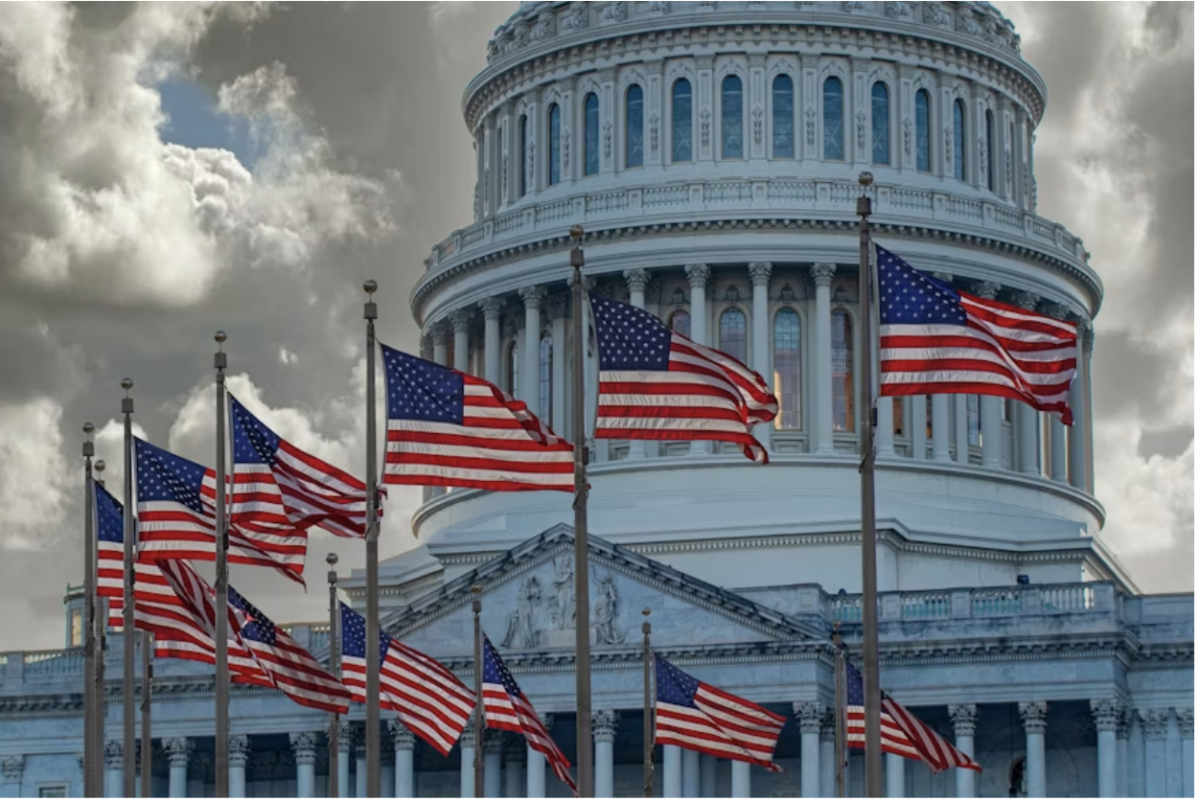
However, all of these seemingly separate events have one thing in common beyond the fact they were all carried out by the same president. That is that the U.S. president has carried out all of these strikes that could very well lead the United States into war without consulting congress. While Trump has backing in congress from the Republican representatives that have claimed it was all justified, the Democratic representatives have condemned his actions claiming that they ignored the War Powers Act.
The ‘War Powers Act’ is simply a nickname for The War Powers Resolution of 1973, a federal law intended to check the U.S. president’s power to commit the military to armed conflict without congressional consent. The act was passed over president Nixon’s veto following the Vietnam war, requiring the president to notify congress within 48 hours of deploying forces, and requiring the removal of forces unless congress declares war.
However, Trump’s rebuttal to all of the concerns of congress has been that he was using executive orders and that he is commander-in-chief as one of his official titles. And while the president has the power to direct military operations, deploy forces internationally and make security decisions, congress has ultimate authority to declare war and delegate funds, both of which would allow or deny Trump to do international military acts.
Trump has released strikes to many different countries, and it doesn’t seem like he has any plans on stopping his executive orders, despite the troubles that congress has given him about not going through the house or senate with all of these military actions. While no wars have developed past the initial bombings, there have been conversations about what may progress in Iran. Many comments from Donald Trump have hinted that further military action will continue if Iran doesn’t follow Trump’s commands. He has implied that it is up to Iran if the bombing will stop. However, the public can only hope that the conversations behind the scenes are as productive as Trump claims on Truth social, and that future conflicts can be avoided, no matter if it’s through congress or through executive orders.