



















































For many teens and young adults, the mall used to be more than a shopping center. It was a social space, a Friday night tradition and one of the few places where people could spend hours hanging out without needing a reservation, subscription or screen. However, mall culture is rapidly disappearing. While changing technology has played a major role in this development, the decline of mall culture is also tied to falling store quality, the rise of fast fashion and stricter rules that make malls feel less welcoming to younger people.
Malls used to be a place to hang with friends and be free from the pressures of school or family for a few hours. As Green Hope senior Aura Pugeda (‘26) put it, “When I think of the mall, I think of shopping and food, usually picturing myself walking with friends, with bags and with drinks. I love going out and getting to see different people, being with friends, getting food and browsing stores.” No matter where you would go there was something for everyone to enjoy and malls became a shining light in the chaos of teens’ lives.
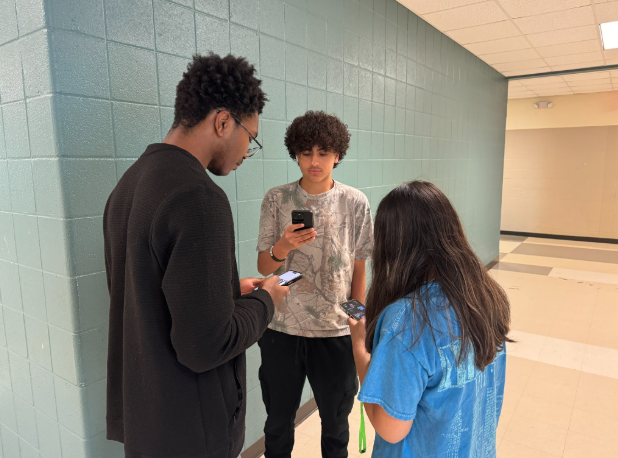
The biggest reason for the decline of mall culture is the rise of online shopping. Apps and websites allow people to order clothes, electronics and even food without ever leaving the comfort of their homes. Companies like Amazon and SHEIN offer endless selections and prices that physical stores often cannot compete with. Instead of spending an afternoon walking through stores, many now scroll through products on their phones for a few minutes and buy whatever they need instantly. Convenience has replaced experience. The excitement of browsing store windows, trying on clothes with friends, strolling endlessly for hours and carrying shopping bags through crowded halls has largely been replaced by tracking packages online.
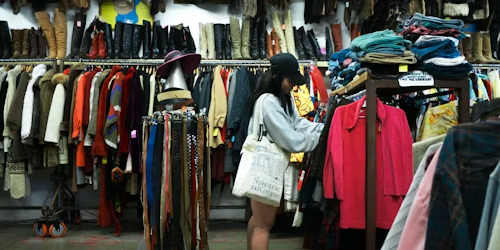
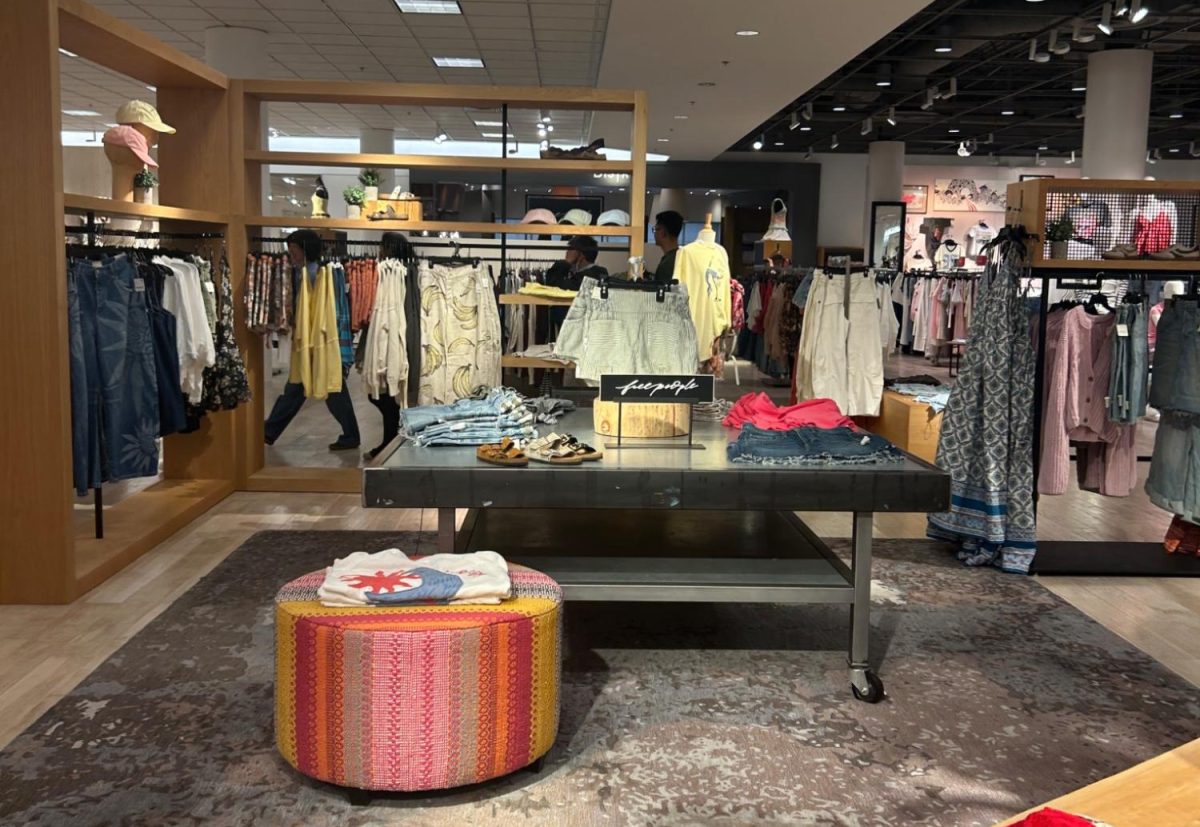
At the same time, the quality of mall shopping has noticeably declined because of fast fashion. Many mall stores that once sold durable or unique clothing now focus on cheap, quickly produced items that have been designed to be worn only a few times before going out of style. Stores prioritize quantity and speed over originality and quality. As a result, malls increasingly feel repetitive since they are filled with nearly identical stores selling the same trendy items. Instead of malls being places to discover something special, they often feel like giant advertisements for temporary internet trends.
Fast fashion has also changed the atmosphere of malls themselves. Rather than encouraging people to browse leisurely, stores are designed for quick purchases and constant turnover, making the shopping experience feel less personal and less memorable.
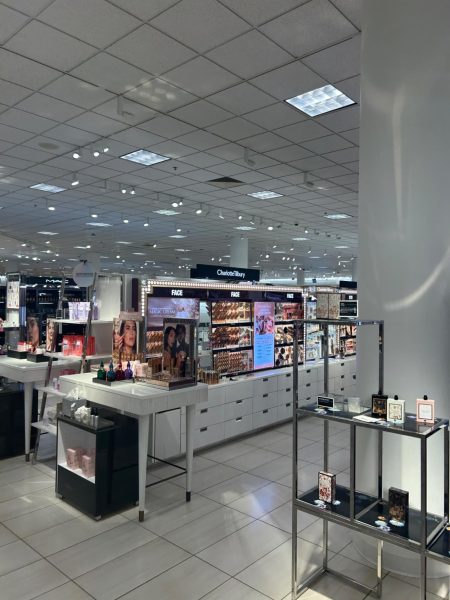
Another major reason mall culture is disappearing is that malls no longer encourage people to spend time there. In the past, food courts were central gathering spaces. Staples like Orange Julius and Cinnabon gave malls personality and created places where groups of teens could sit for hours. Many of the iconic food court spots have closed or limited their physical stores, leaving food courts feeling emptier and less distinctive. Combined with the closure of arcades, bookstores and music stores, malls have lost many of the attractions that once made them social destinations instead of just retail centers.
On top of that, many malls now close earlier than they once did, especially after the pandemic. A place that used to stay busy late into the evening may now shut its doors before young people even have time to gather there after school activities or sports practices. Reduced hours send a clear message that malls are no longer designed to be all-day social spaces.
Perhaps the clearest example of this shift is the growing use of restrictive age policies. Some malls now enforce new age restriction policies, an example being Southpoint Mall in Durham’s which states, “anyone 17 and under must be accompanied by a parent or supervising adult (age 21+) to enter or remain at the mall on Fridays and Saturdays after 3 p.m.” Enforcing these rules on some of the busiest days for malls, while intended to improve safety, removes the independence that made mall culture meaningful to teenagers in the first place. For decades, malls served as one of the few semi-independent public spaces where teenagers could socialize outside of school and home. By restricting access malls are telling young people they are viewed more as problems to manage than customers or members of the community.
The decline of mall culture reflects a larger cultural change. Society increasingly values convenience, speed and online interaction over physical gathering spaces and shared experiences. While online shopping may be efficient, it cannot fully replace the memories created by spending hours at the mall with friends, trying samples at the food court, wandering through stores without a plan or simply feeling part of a crowd. Malls once gave young people freedom and a place to belong. As those spaces disappear, so does an important part of social life that many people did not realize they would miss until it was gone.