
































































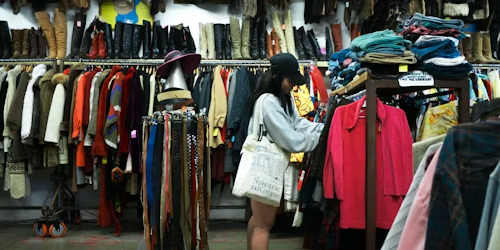
Over the last few years, secondhand shopping has become more than just a niche trend, it has scaled into a massive market, growing almost twice the speed of the general apparel market. It gives people a way to find affordable and unique clothing. Many thrift stores are meant to help communities by offering low-cost items, especially for people who can not afford expensive clothes. However, a growing problem has appeared with people known as thrifting resellers. These are individuals who buy items from thrift stores and then sell them online for a higher price. While some people see this as a business opportunity, thrifting resellers make thrift stores less affordable, reduce access for people in need and go against the original purpose of thrift shopping. The unethical practices of these resellers have taken opportunities away from regular thrifting enthusiasts and those who are in need of affordable clothing.
One major problem with thrifting resellers is that they often buy large amounts of valuable clothing before regular shoppers have a chance to purchase them. Many families depend on thrift stores because they cannot afford expensive retail prices. When resellers purchase high quality or trendy items in bulk, fewer affordable options remain for people who genuinely need low-cost clothing. As a result, thrift stores become less helpful for the communities they were originally meant to support.
In addition many people believe that resellers take advantage of donation based systems. Clothing in thrift stores is often intended to help communities, charities or people in need. Most people donate clothes to these shops under the impression that the pieces will go to people who truly like them or need them. When someone buys these items cheaply only to sell them online for much higher prices, it can seem unfair or exploitative. Instead of supporting the original purpose of thrifting, retailers turn it into profit-driven business.
Supporters of reselling argue that it promotes sustainability and helps reduce waste products. While this may be true to some extent, regular thrift shoppers reuse clothing without making profits from it. Data shows that the US secondhand market is growing fast and will reach $78.8 billion by 2030, mostly because shoppers are using it to make extra money. Sustainability should focus on affordability and accessibility, not on making money from donated goods. There are many other ways to support sustainable clothing without taking resources away from those who depend on thrift stores.
Some people also argue that reselling teaches business skills and entrepreneurship. Although entrepreneurship is important, it should not come at the expense of struggling families and individuals. Reports show that while the number of online sellers grew by 16%, nearly 73% of them only sell items once a month, meaning that for most people, it is of a side hustle than a real business. Additionally, there are other ways to learn business skills that do not involve reducing affordable options for low-income communities.
Overall, thrifting resellers should not be allowed because they make thrift stores less affordable, increase prices, and shift focus of thrifting away from helping people in need to profit. While reselling may benefit a small number of individuals financially, it negatively affects many shoppers who rely on thrift stores for affordable clothing. Thrifting should prioritize accessibility and affordability rather than profit making opportunities for resellers.