























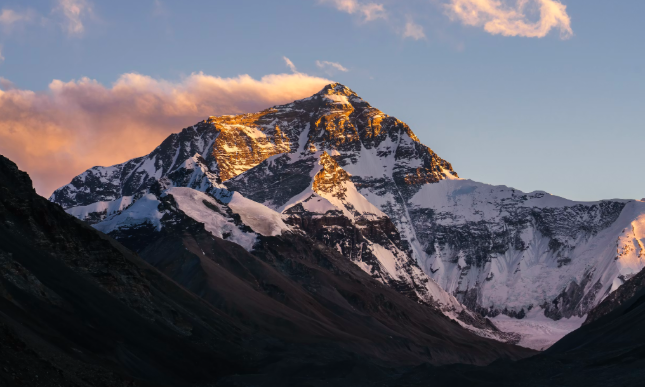




















Climbing mount Everest, an accomplishment known throughout the world for its rigor and difficulty, has become increasingly accessible in recent years. Reports indicate that hundreds of climbers can attempt the mountain during a single climbing season. This has led to concerns of overcrowding and environmental impact both growing significantly over this year’s climbing season alone.
While many view summiting Everest as a remarkable achievement, environmentalists and climbers alike have highlighted how detrimental foot traffic is for the mountain. Many stated how increased foot traffic along with Everest’s narrow and dangerous sections has created what many describe as “Traffic Jams.” These jams are most prominent on very technical and dangerous parts of the climb such as the Hillary Step and South Summit – both locations already made dangerous by high altitude and unforgiving weather conditions.
Veteran guides have argued that overcrowding does more to slow progression on the climb, along with causing climbers to spend longer periods of time in the mountain’s “death zone,” where oxygen levels are dangerously low. In recent years, long lines of climbers waiting to continue drew national attention along with sparking debates of whether stricter permit limits should be introduced.
Yet, environmental concern lies far beyond overcrowding, as each summit season (mid-April to late May), abandoned equipment, empty oxygen canisters and waste growth along the route and at campsites rapidly increase. Cleanup efforts have been made, successfully removing tons of trash from Everest in recent years, but many still argue the mountain’s popularity will surpass those efforts.
The dangers of overcrowding on Everest were highlighted again this season after two climbers died during their descent from the summit on May 21. Arun Kumar and Sandee Are were two Indian climbers clienting under the Nepali guiding company, Pioneer Adventures. Kumar died during the late hours of the day, near the Hillary Step on the summit ridge. Eye witnesses reported that four sherpa guides were seen trying to take him to a lower elevation. Are fell to a similar fate as Kumar, being reported dead at 21,000 feet just above Camp Two, with reports stating that Are developed snow blindness along with other health problems.
A firsthand account of the experience was documented by NDTV as they interviewed climber Xavier Ladoucer who scaled the mountain at a similar time to Kumar and Are. Ladourcer talked about the mass overcrowding on the mountain during the time, saying, “More than 200 climbers are stuck in the Death Zone. We barely moved for six hours,”. This along with other reports credited the climbers deaths to the time spent in the dead zone because of the overcrowding.
The growing overcrowding on Everest has sparked debate over whether the mountain should be limited to the general public. While climbing Everest remains one of the world’s greatest achievements, many still believe its increased popularity has come at a cost. From dangerous traffic jams in the dead zones to the growing amount of trash being left behind, experts warn that without significant change, one thing is for certain: the risk facing climbers and the environmental damage to the mountain will only continue to worsen.