
























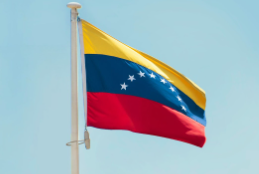
For nearly 200 years, Venezuela has been an independent nation. They were officially independent from Gran Colombia in 1830, then were acknowledged by the United States in 1835. Despite all these steps forward, Venezuela would experience their first of many modern dictatorships in 1908 at the hands of Juan Vicente Gómez.
Years later, after many more dictators and presidents, Nicolás Maduro stepped into the role of Venezuelan president in 2013. Under Nicolás Maduro, Venezuela experienced prolonged economic collapse, massive humanitarian crisis, political repression and corruption. All of this has led to hyperinflation, food and medicine shortages, mass migration and human rights abuses.
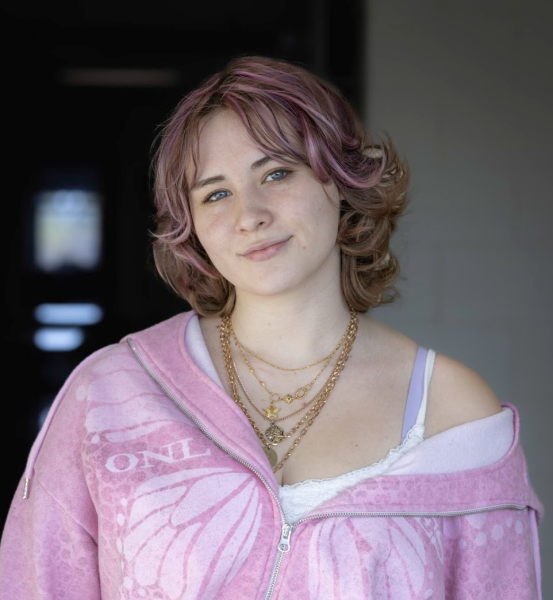
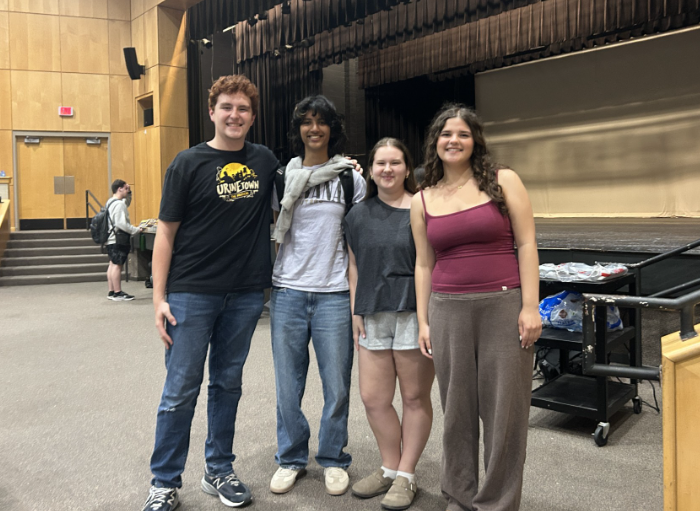
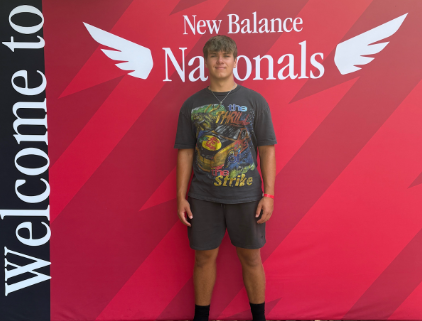
Over 7.7 million people have fled Venezuela due to these horrific conditions, including 16-year-old upcoming college freshman Nicole Alessandra, who fled Venezuela ten years ago. When asked what the conditions were like under Nicolás Maduro, Nicole Alessandra responded, “My people have been starved. If you remotely speak anything bad about Nicolás Maduro or his dictatorship, his army will come to your house and they will kidnap you, or they will go take your phone away. Then they’ll find out if you said anything about the government, and then they’ll take you to the concentration camps. We were getting run over by tanks because we were protesting on the street about the regime, we had to eat trash and animals off the street to survive.”
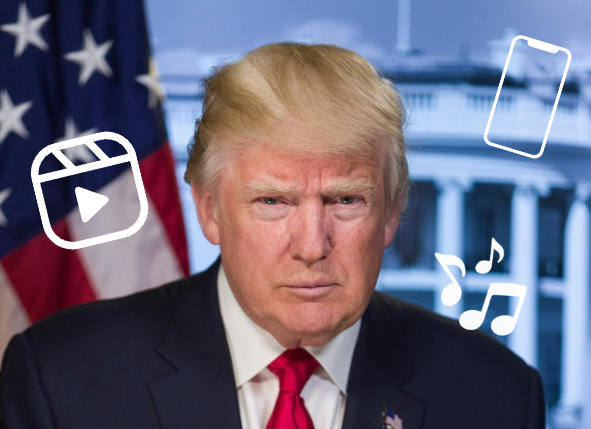
Right now many Venezuelans are celebrating the capture of Nicolás Maduro that occurred on January third in the middle of the night when Trump sent his forces to Venezuela. Many celebrate the new found freedom and relief after years of oppression and abuse from the once powerful Marudo regime. Nicole Alessandra added that “I have the opportunity, like many other people, to see my family. I have not seen my family in 10 years, so the opportunity to go see my family has been overwhelmingly exciting. Finally coming is a blessing that none of us ever thought would come after 26 years of depression.” However, there have been whispers of worry looming over the celebration. Many people on social media have been raising a bigger question on if how President Donald Trump handled the capture was appropriate and his deeper intentions.
In order to capture Nicolás Maduro, Trump sent about 200 U.S. special operations forces in the middle of the night to Marudo’s residence at the Fort Tiuna military complex in Caracas. Along with these forces, he also released around 150 aircrafts to strike and disable Venezuela’s air defense systems. During all of the strikes and military efforts, around 75 to over 100 Venezuelan and Cuban citizens died in the effort to capture Nicolás Maduro. After capturing him, they flew him to New York so he could stand trial for narco-terrorism, a cocaine importation conspiracy and weapons possession.
Whilst the trial continues, videos have been popping up about people worrying about Trump taking over oil and resources of Venezuela, claiming he may take over his own dictating position in the country. Some people feel that Trump has overstepped national boundaries, but he continues to state that the United States will temporarily dictate Venezuela’s government and all sales.
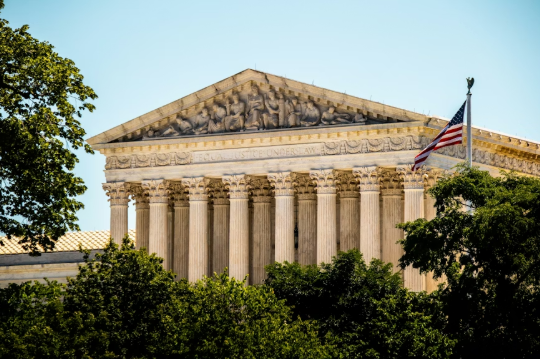
Trump did in a way cross boundaries of Article 2(4) of the UN Charter, which states a UN member cannot make threats or use force against the territorial integrity or political independence of any state, or in any manner inconsistent with the UN’s purposes, protecting state sovereignty and promoting peace. Along with allegedly breaking the UN Charter, Trump also carried out the mission in a way that went around Congress.
However, on the topic of going around Congress, Trump’s administration has stated that Trump was allowed to go around Congress, according to Title Two of the Constitution, which essentially states that the president is Commander-In-Chief allowing him to command the U.S. Army, Navy, and state militias when called into service without technically going through Congress. While there is much more in Article Two of the Constitution, Commander-In-Chief seems to be the clause the administration is referring to when the President has inherent constitutional authority to defend the U.S. against “threats.”
Technically, Trump did not do anything wrong by going around congress, but doing such a thing has caused a lot of friction between him and Congress by stretching executive power and bypassing normal congressional authorization. Along with causing friction between him and Congress, there has also been tension in the UN about how Trump had dealt with getting Nicolás Maduro that has ultimately raised questions about executive overreach despite historical precedent for such actions.
The people of Venezuela have been put through extensive oppression and human rights violations at the hands of Marudo. While to some Trump’s actions were seemingly an overstep of executive boundaries, the people of Venezuela are finally free from a dictatorship that have caused thousands of casualties and have caused even more to suffer in day-to-day life. As of right now, the United States will be taking control of Venezuela and their resources in the near future, but only time will tell just how long the United States controls Venezuela.