
























































Learning to drive is something that many high school students look forward to; it can offer greater independence, advantages for participating in extracurricular activities and part-time jobs and a sense of accomplishment. The Driver’s Education course is a key component of becoming a driver, and many Green Hope students learn to drive at a fraction of the cost of learning outside of school.
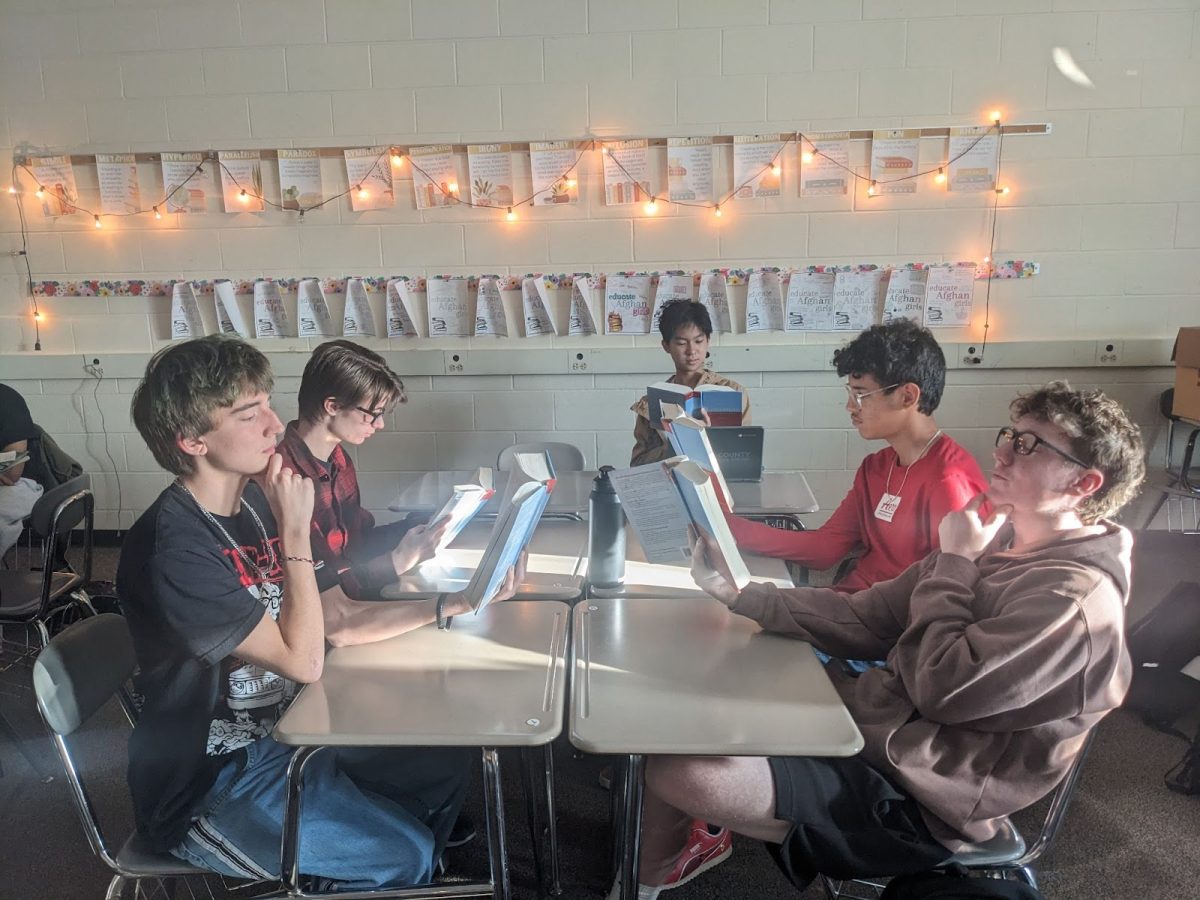
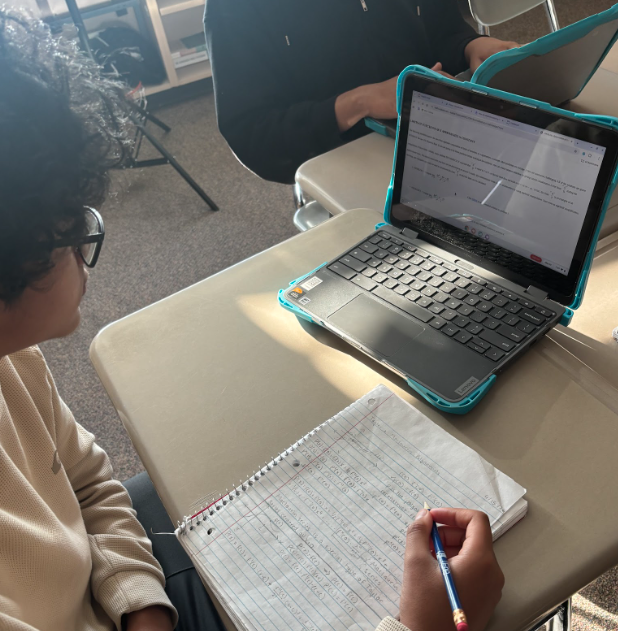
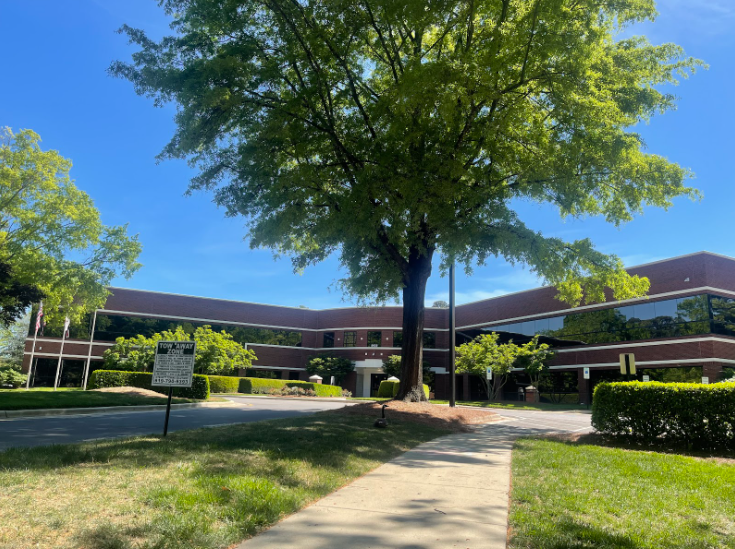
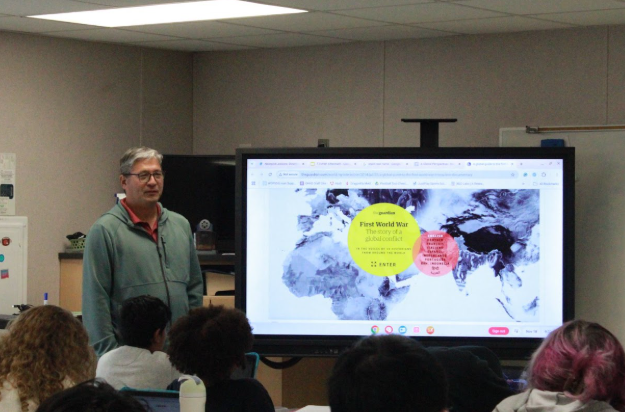
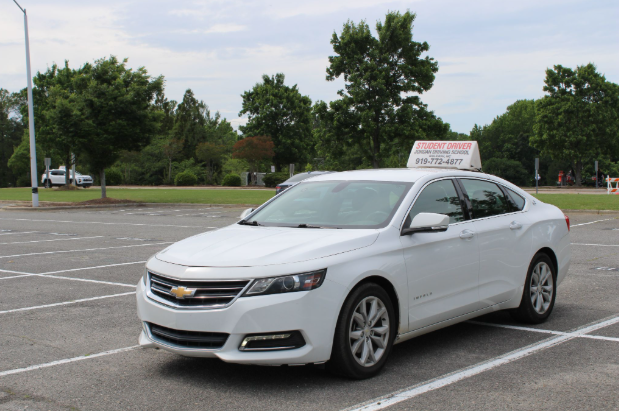
Before applying for a Limited Learner’s Permit from the DMV, Driver’s Ed students complete 30 hours of classroom instruction in the Green Hope Media Center followed by six hours of behind-the-wheel training and six hours of observing a peer driver.
Many students find the course content, which includes driving signs, rules and real-life scenarios, intuitive. Larissa Lewis (‘28), a sophomore who recently completed her behind-the-wheel training, described taking Driver’s Ed as an overall positive experience. When asked how well-prepared she felt going into the on-the-road portion of the class, Lewis stated, “I think that the two full weeks of classes were very helpful, even though most of the content was common sense. When I actually went driving, it was pretty easy.”
However, some fact and symbol memorization can feel tedious. Jayden Tejani (‘28), another Driver’s Ed student, stated that the class was “a bit tiring at times mainly due to the tests every day and lack of realistic visualization.” Still, he added that he enjoyed taking the Driver’s Ed course, and that it is always “hard to compare perfect examples to real-world scenarios that happen. It’s not the fault of the class, it’s just expected with any subject.”
The difficulty of translating what was taught in the classroom to real life is shared by many new drivers. This can especially be the case if a student hadn’t had much interest in learning driving skills prior to taking the course. Feeling nervous shows that a student is taking the responsibilities placed on themself as a driver seriously. For students who want to feel more prepared before taking a Driver’s Ed course, Green Hope instructors recommend asking around for driving tips from parents or guardians who drive whenever possible. They emphasize that the majority of drivers’ training occurs with parents or guardians once students earn their Level One Limited Learner’s permits due to the short amount of class time available at school.
When asked about the most challenging maneuvers she did while taking the Driver’s Ed course, Lewis stated, “backing up and parking [feels the most challenging] since I will have to park next to people wherever place I go.” Tejani said that “I need to practice specific turns that weren’t covered by the course, like 3-point turns.”
Learning to drive can feel exciting, at times challenging, maybe even nerve wracking. Regardless of how a student feels about getting behind the wheel, the course offers freedom and flexibility for students trying to navigate the future. Fortunately, with a certified driving instructor always in the passenger seat to ensure everyone’s safety, the chances are favorable that students will survive.