






































































Why students are choosing trade school
For decades, students were told that getting a four-year college degree was the safest post-secondary path. High schools encouraged students to apply to universities, parents wanted their kids to get bachelor’s degrees and employers preferred hiring college graduates. However, attitudes towards post-secondary education are beginning to change.
Across the country, more students are choosing trade schools, certification programs and technical education over traditional colleges. Rising college costs, growing student loan debt and a demand for experienced workers are prompting students to rethink their plans after high school. Trade school is a great option for many students for numerous reasons, including the increasing popularity of these schools, the cost and the growing demand for workers.
A growing shift towards trade schoolsThe rise of trade schools and certifications over traditional college
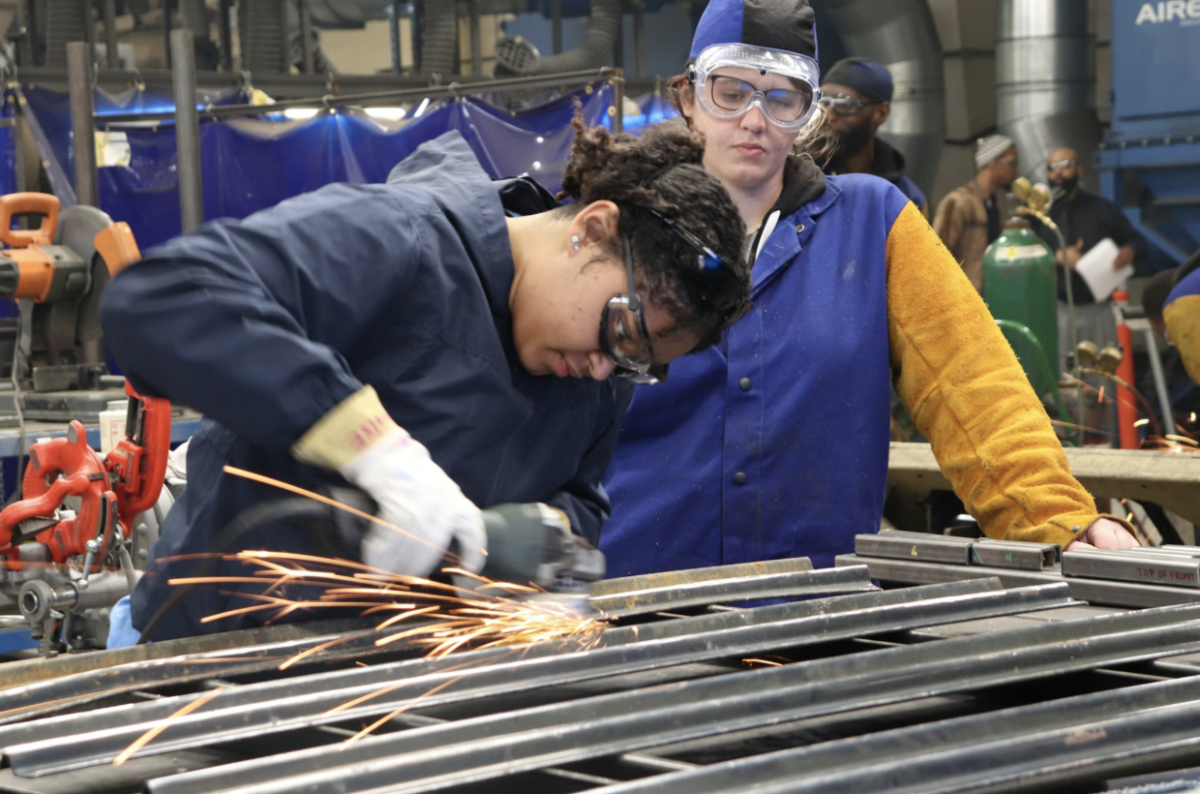
Trade schools focus on preparing students for specialized jobs through hands-on training and practical experience. Rather than requiring years of general education classes, these programs teach skills directly related to careers in industries such as welding, healthcare, truck driving, HVAC, construction and more. Additionally, most trade programs can be completed within six months to two years, allowing students to enter the workforce much earlier than traditional college students. Olivia Rodriguez, a junior at Valley High School, plans to go to trade school. She said, “I’m planning on going to a trade school because college is really expensive now. I think it’s in my best interest to go to a trade school since I want to go into healthcare.”
The rising cost of college
One of the biggest reasons students are reconsidering traditional college is the cost. In 2026, the average cost of college in the US is over $38,000 per year when including tuition, books, housing, and living expenses. Public in-state universities average more than $27,000 annually in costs, while private universities can exceed $58,000 per year. Many graduates leave school carrying over thousands of dollars in student debt. According to the Education Data Initiative, federal student loan debt now exceeds $1.8 trillion nationally, and the average borrower spends around 20 years paying.
On the other hand, trade schools are significantly less expensive. Most vocational schools cost between $5,000 and $20,000 total, depending on the field. Students often graduate with far less debt, while still entering fields with competitive salaries. Trade school graduates typically carry $10,000 in debt compared to more than $37,000 for many college graduates. Olum Nur, a carpenter who specializes in closets, said, “College was expensive…so I decided to do carpentry. I am so glad I made that decision because I love this job.”
High demand for skilled workers
Another major factor driving interest in trade education is the demand for skilled labor. Many industries are currently facing worker shortages as fewer young people enter technical careers. For every five experienced workers who retire, only two new workers start. As a result, employers are constantly seeking trained workers across numerous industries. The Bureau of Labor Statistics predicts continued growth for electricians, HVAC technicians, medical assistants and pharmacy technicians. These careers are also less likely to be taken over by artificial intelligence or automation as they require physical work and problem-solving that machines would struggle to replace.
The future
The rise of trade schools and certification programs is allowing students to build careers in less time and with less financial burden. At the same time, employers are valuing practical experience and skills over expensive colleges. Vocational education can provide ways for students interested in hands-on careers to get into industries that are constantly hiring.
The growing popularity of trade schools does not mean that college is disappearing. Instead, it offers students a new way to succeed that better suits them for their goals. Whether it be through a university, apprenticeship, certification or trade program, students are given more ways than ever to find careers that match their interests and financial needs.