































































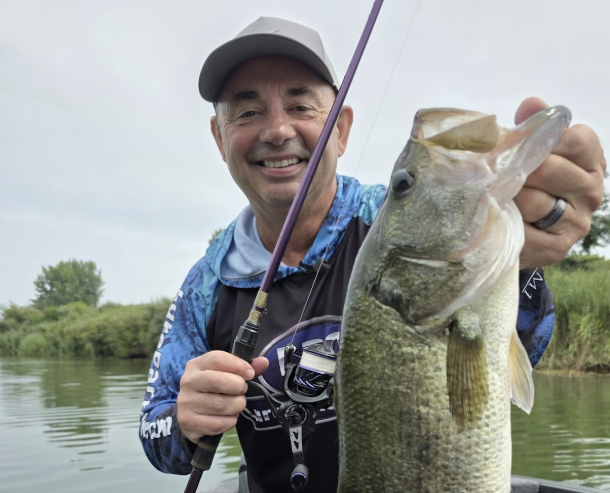
Imagine a competition so treacherous it takes days to finish. Thousands watch on television as professionals travel miles over water in search of the biggest fish in the lake. It’s a sector of one of the largest industries in the world and has made dozens of people millionaires overnight. It’s one of the biggest sports in the United States, stretching to all levels of competition in high schools, colleges and on the pro tour, even though many don’t know it exists. This is Tournament Bass Fishing.
Tournament bass fishing is not just a hobby; it’s an organized sport with competitions at nearly every level. At the high school level, students compete in regional and national circuits through organizations such as B.A.S.S. and Major League Fishing (MLF). High school anglers fish in teams, typically two students per boat, accompanied by an adult captain for safety. These events teach strategy and teamwork. Across the United States, tens of thousands of student anglers compete annually, making it one of the fastest-growing school sports in modern times.
At the college level, the competition becomes even more intense. Schools across the country build official fishing teams that travel to tournaments nationwide. College anglers compete for scholarships, sponsorships, and national titles. Major championship events are even broadcast online and on tv, giving student anglers national attention.
Finally, at the professional level, bass fishing becomes a full-time career. Anglers compete in circuits such as the Bassmaster Elite Series and the MLF Bass Pro Tour. These tournaments feature the best anglers in the world competing for prize purses that can exceed $100,000 for a single event, with season winnings reaching into the millions. The championship event of B.A.S.S., the Bassmaster Classic, is often called the “Super Bowl of Bass Fishing.” It draws massive live crowds and television audiences from across the country.
(Jayson DeSantis)
Bass fishing is part of the larger recreational fishing industry, which generates tens of billions annually in the United States. According to industry reports from BASSMASTER, over 50 million Americans participate in fishing each year. Competitive bass fishing events can draw tens of thousands of live spectators, and major televised tournaments reach millions of viewers through streaming platforms. Just the Bassmaster Classic alone attracts over 100,000 fans in a single weekend. Anglers and fans spend billions on boats, tackle, and outdoor gear. A local Cary resident named Matt Schexnayder enjoys the sport so much that he spends over $2,000 a year for his son and him to enjoy days on the water. He does it for “the love of the chase”. Sponsorships from major lure and boat manufacturers help fuel the sport. Professional anglers often represent many brands on their jerseys.
At a glance, bass fishing may look simple: catch the biggest fish to win. But it is a sport built on preparation and even science. Professional anglers spend weeks studying lake maps, weather patterns and fish behavior. They must understand seasonal patterns, such as where bass move during spawning season and how water clarity affects feeding habits. Each angler carefully selects rods and lures designed to mimic prey. Choices change depending on water depth, structure and time of year. A single wrong decision can mean the difference between winning and going home empty-handed. Modern tournament boats are high-performance machines equipped with advanced fish-finding sonar. Anglers may travel 50-100 miles in a single tournament day searching for fishing spots.
Tournament bass fishing operates under strict rules to ensure fairness. Most tournaments follow a limit of five fish per day. Only largemouth, smallmouth or spotted bass above a minimum length of around 12-15 inches, depending on the tournament, can be weighed in. Fish are kept alive in aerated livewells and released back into the water after weigh-in. Conservation is a major priority, and penalties are given for dead fish or rule violations. Legal fish count toward a total weight, and fish are immediately released after being weighed on the boat. This reduces stress on fish and keeps the competition fast-paced.
What many people don’t realize is that bass fishing is as much a mental sport as it is physical. From high school teams learning the fundamentals to professionals competing for six-figure payouts, tournament bass fishing has become one of America’s most unique and rapidly growing sports. Many may not have known it existed, but for millions of anglers and fans across the country, tournament bass fishing isn’t just a pastime, it’s a way of life.