

















































When the sun sinks beneath the horizon each night, many lie their head down, thinking they have an idea of what’s happening outside. But they don’t. They don’t know about the hardworking creatures that stop thousands of gallons of water from reaching most neighborhood ponds, the ferocious killers hunting rodents on local walking trails, or the rare albino species wandering through the trees. Most don’t realize the interesting reality of the habitats surrounding their own.
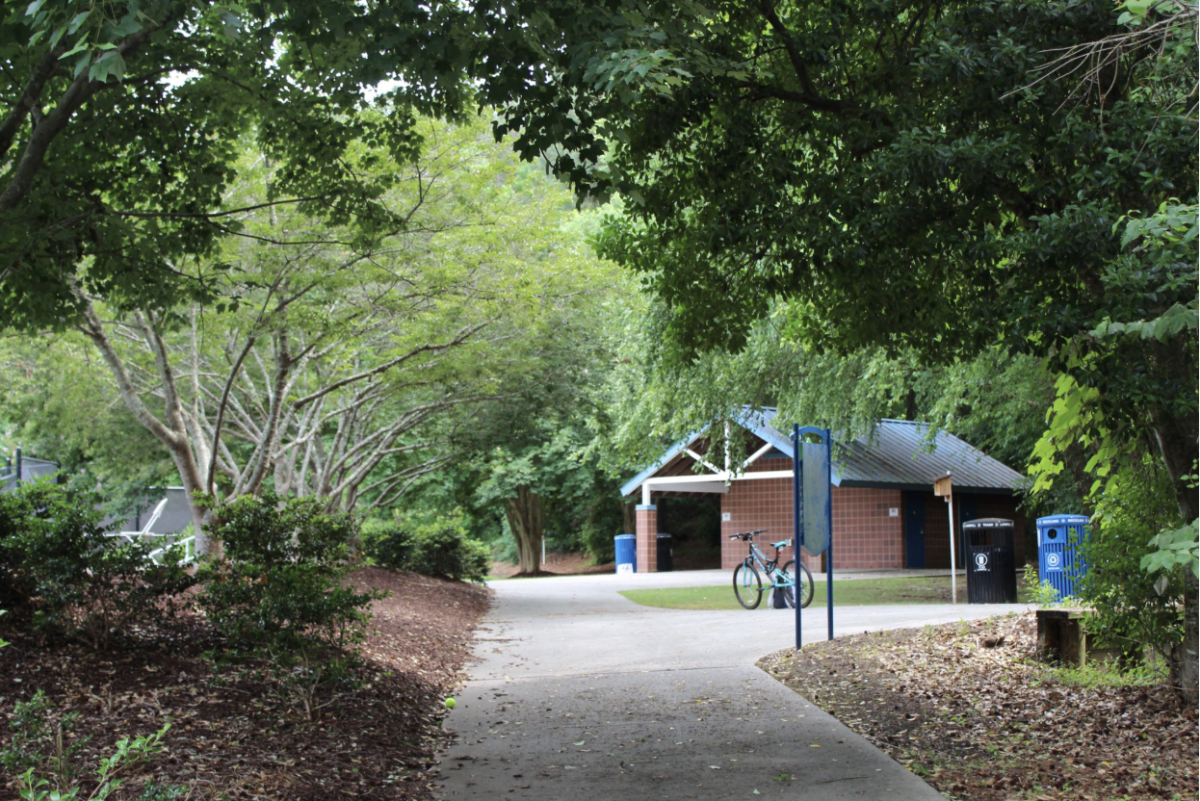
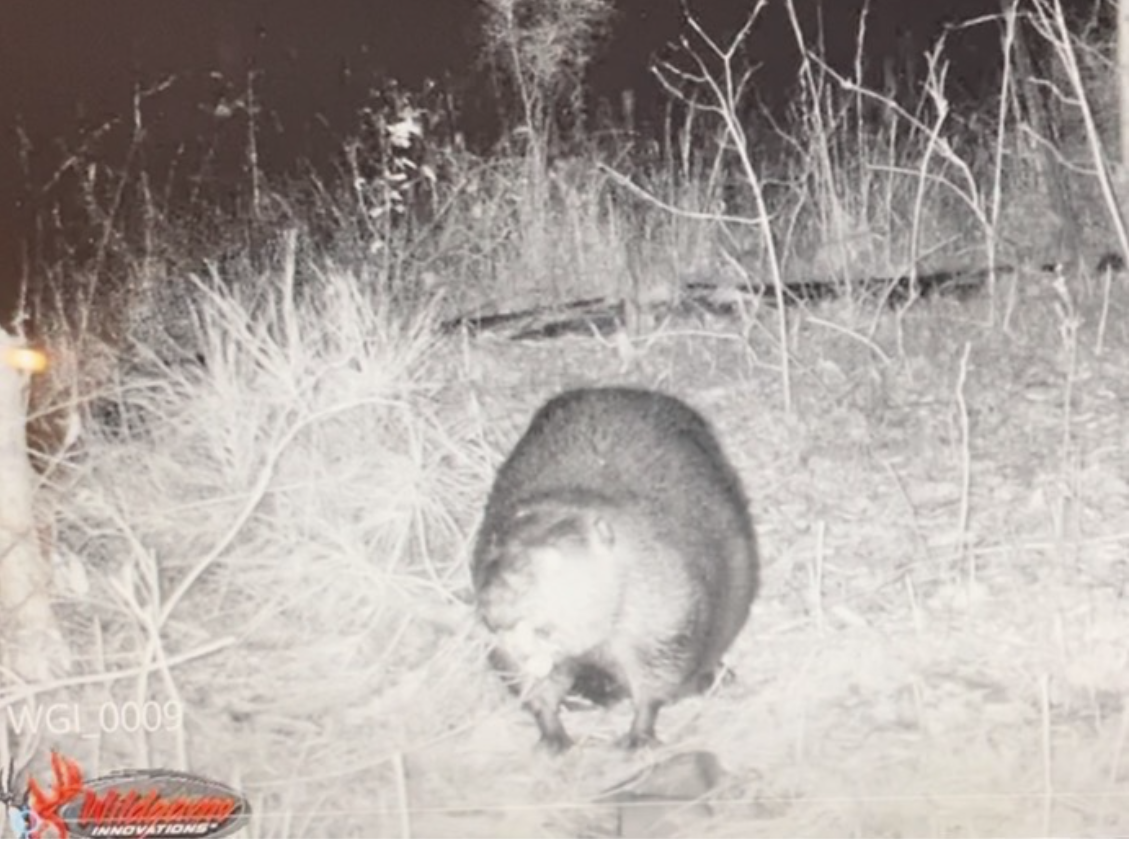
Under the cover of darkness, the American Beaver takes its opportunity to emerge from the protection of water to find more brush. According to the North Carolina Wildlife Resources Commission, beavers are the largest rodent in North America becoming over 50 pounds as adults. Beavers use sticks, branches, and other natural materials to build a sealed barrier that can stop the flow of water. Just 1.6 miles away from Green Hope High School, beavers have completely stopped water flow from Crabtree Creek into the Crabtree Creek Watershed located in the Carpenter Village neighborhood. Many of the thinner trees behind the West Regional Library have reminiscences of beaver teeth gnawing at their side, leaving evidence of their presence all over that area.
Just a few years ago, Green Hope students conducted an experiment using a trail camera at the site of this beaver dam. A trail camera is generally used for hunting because it records any sign of movement in front of the camera and can alert a hunter about what is nearby and when they tend to arrive. During this experiment, beavers were clearly pictured, but they weren’t alone. Coyotes were also pictured.
Coyotes have become a more prevalent topic in recent days after attacks on small dogs and children put them in the spotlight when they expanded their habitat into neighborhood communities. Just last November, a three-year-old was bitten in San Diego by a hungry coyote near a community mall. They are known for their spine-chilling yip style howl that is distinct from all other canine species. Coyotes are similar in appearance to red wolves but tend to be smaller at around 30 pounds. Just 25 yards from the West Regional library are small packs of these predators hoping to feast on the fatty meat of a beaver or rabbit nearby. They seem to be just one of the many dangers that have been sold short in the past.
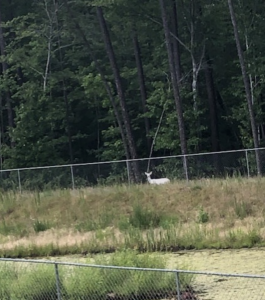
Looking over the smaller animals around you, the white-tailed deer is one of the most common large prey animals in the United States. Drivers are warned to be careful when driving in case a deer is stuck staring into the headlights. It is seen daily on signs on many roads near Green Hope, including Carpenter Upchurch Rd. The White-tailed deer is known for its brown fur, but it has actually been known to sometimes be albino. Cary has a representative of that population 1.8 miles from Green Hope behind Good Hope Church. Just across the road from Philips farm, which is a popular landmark for students in the fall, resides an albino deer that has been spotted multiple times by students at Green Hope. Nick Goulet, a senior at Green Hope, has spotted this animal while fishing. He claims, “It’s been spotted twice, and I’m hoping it lives long enough to see it next year too. The white fur makes it more susceptible to predators’ eyes, but it’s cool to see rare animals like that here in Cary”. The NC Wildlife Resource Commission also claims that a true albino white-tailed deer is so rare that it is only seen in approximately one in twenty-five thousand births. Cary, North Carolina, is truly a lucky community.
Even though most people may not always see them, many animals quietly live right alongside humans. Learning about these animals helps communities understand that wildlife is not far away, but part of everyday life. By being aware of the animals around, humans can help respect and protect the ecosystems these creatures thrive in. They are not hiding in the distant wilderness; they’ve been under everyone’s noses all along.