

















































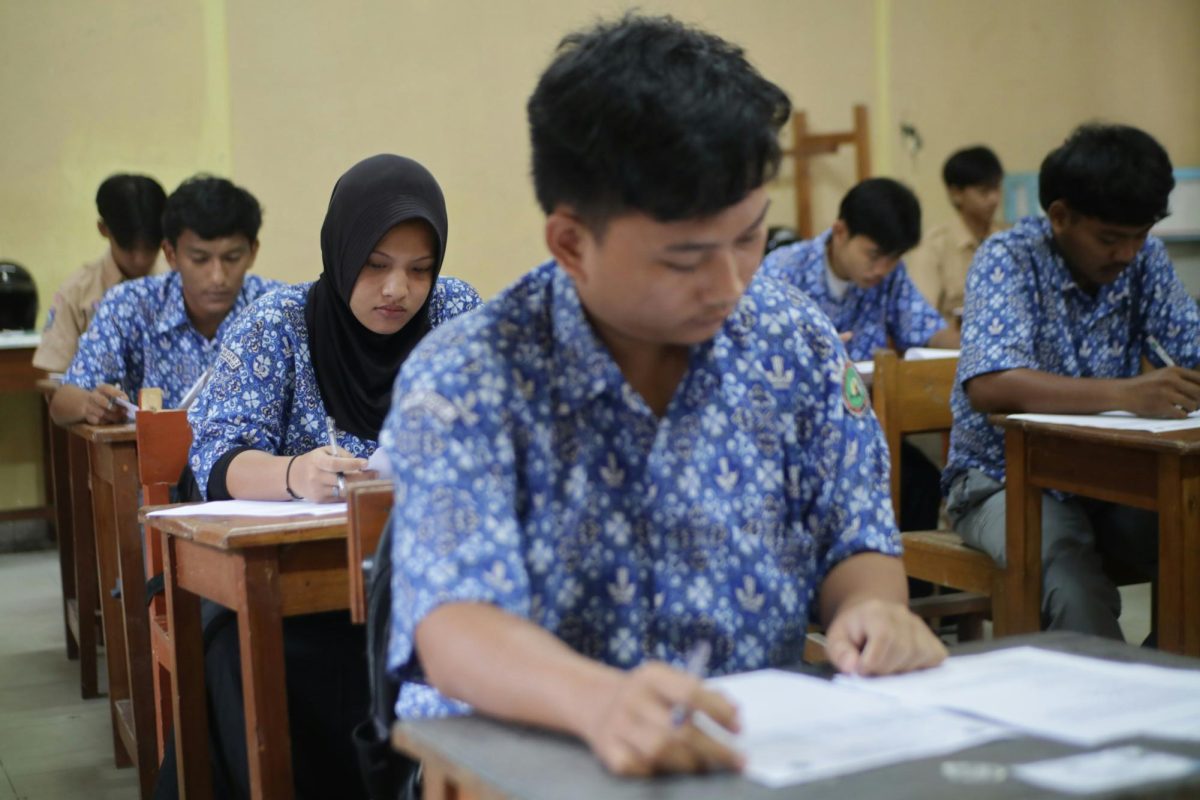




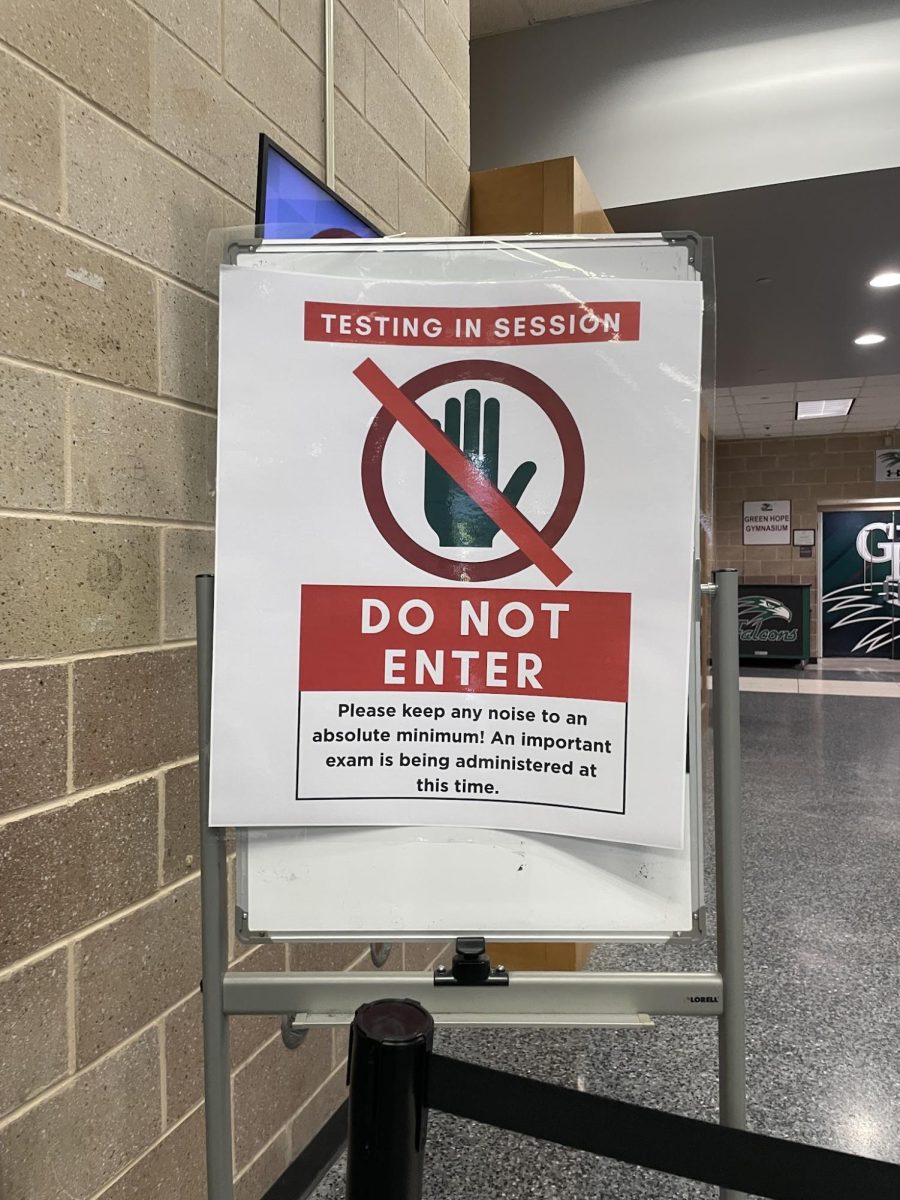
The conclusion of Advanced Placement (AP) examinations in early May creates a unique challenge for schools. For months, students and teachers work at a relentless pace to prepare for a single high-stakes exam. Once that test is over, a full month of school often remains on the calendar, but the primary goal of the course has already been met. This creates a “limbo period,” leading many to ask: Should students still be required to attend these classes? The answer depends less on the amount of time left and more on how schools choose to use it.
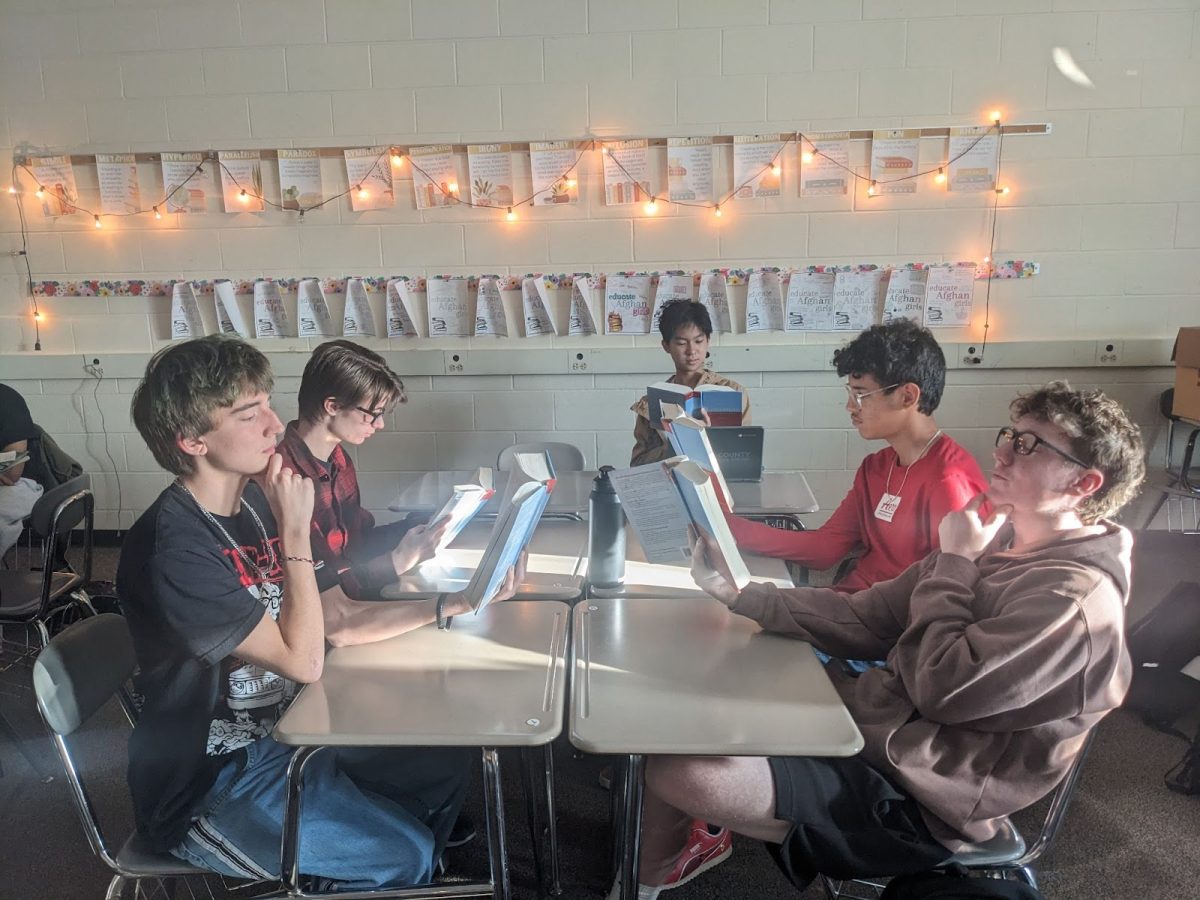
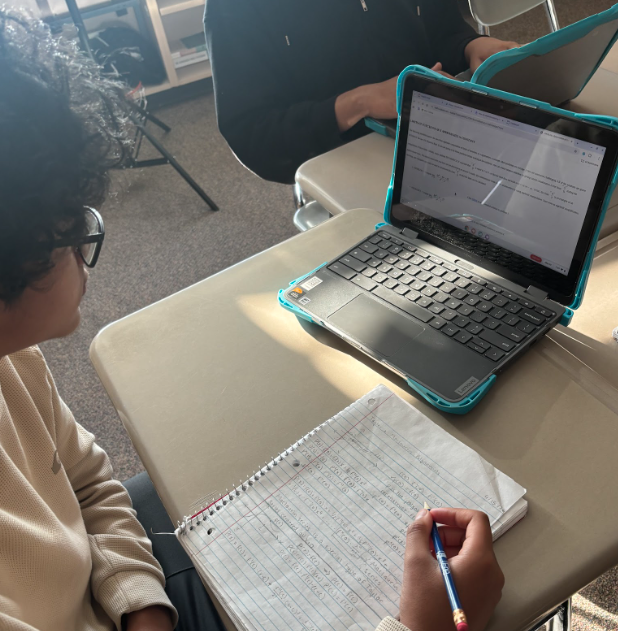
The biggest argument against keeping students in class after AP exams is the sharp drop in academic productivity. Because these courses are designed around a specific national test, completing that test feels like the natural end of the journey. When schools try to continue with standard lectures or assign routine tasks to fill time, student motivation disappears. This often leads to “zombie classrooms” where students are physically present but mentally checked out.
Rather than seeing the final month as wasted time, however, some schools view it as a rare opportunity. Throughout the year, teachers must follow a strict, fast-paced schedule set by the College Board. After the exams, that pressure disappears. This liberated time can be used for authentic learning, which focuses on applying knowledge in the real world.
During the regular school year, the focus is on covering a vast amount of information quickly to prepare for multiple exams. In the final month, the focus can shift to deep dives into specific topics, creative projects, or hands-on activities that were impossible to fit into the schedule earlier in the year.
To make this month meaningful, schools can replace traditional lessons with programs that actually prepare students for life after graduation.
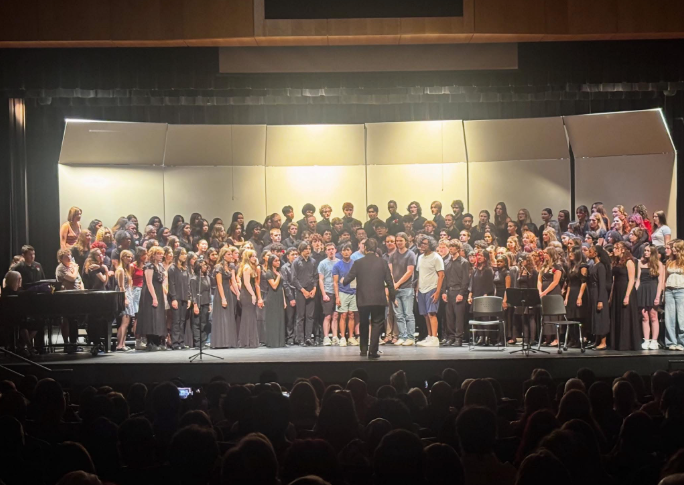
One effective approach is the “Capstone Project.” Instead of taking more tests, students spend the final weeks researching a topic they are passionate about and present their findings. Other schools offer “Adulting 101” workshops, teaching essential skills like how to manage a bank account, understand a rental lease, or write a professional resume.
Additionally, some districts allow seniors to participate in short-term internships or community service projects. This allows students to leave the classroom and gain experience in a professional field they might want to pursue in college or as a career.
Simply letting students stay home for a month would be a missed opportunity for growth. However, forcing them to sit through lectures is equally wasteful. The 13 months of the school year should be reclaimed and changed. By moving away from test- taking and toward real-world experiences, schools can ensure the final week of the year serves as a helpful bridge to the future rather than just a countdown to summer break.