








































As rising Freshmen enter their first year of high school, there are a variety of extracurricular activities offered for all to participate in. From football to band, volleyball & orchestra and basketball to theater, students usually enter either sports or art-related activities equally. However, when it comes down to providing budgets for either program, the difference is apparent.
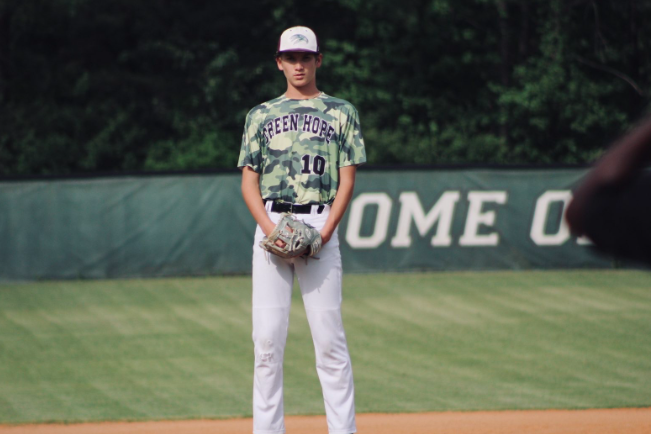
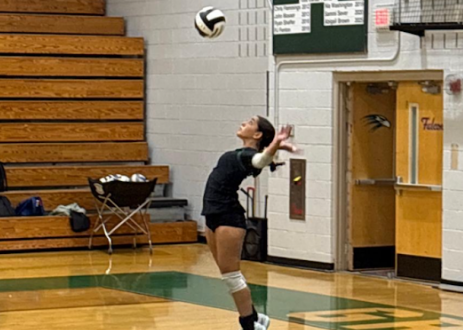
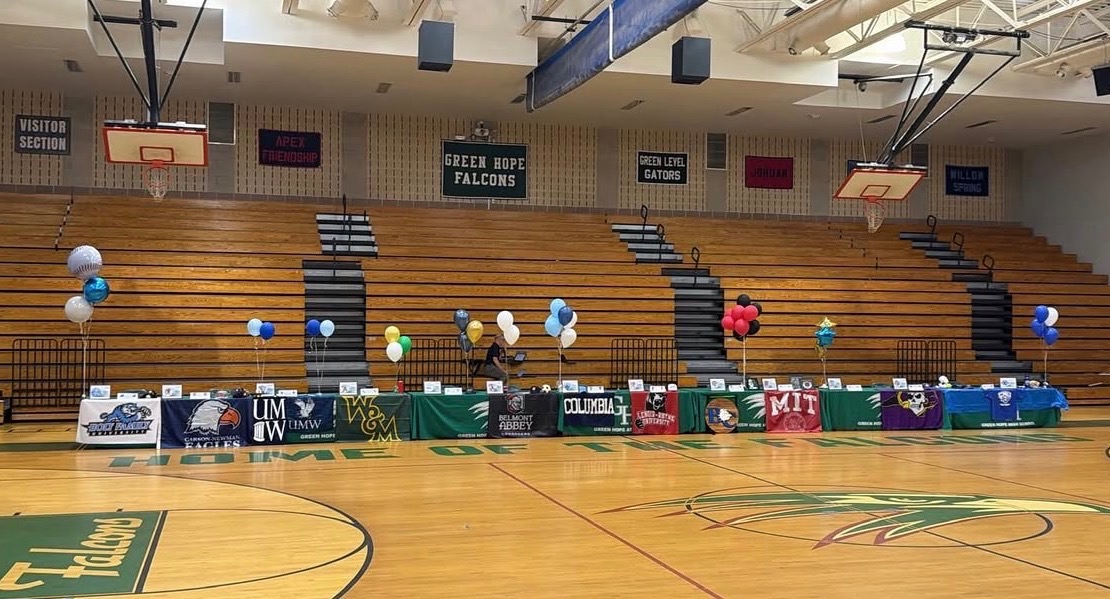
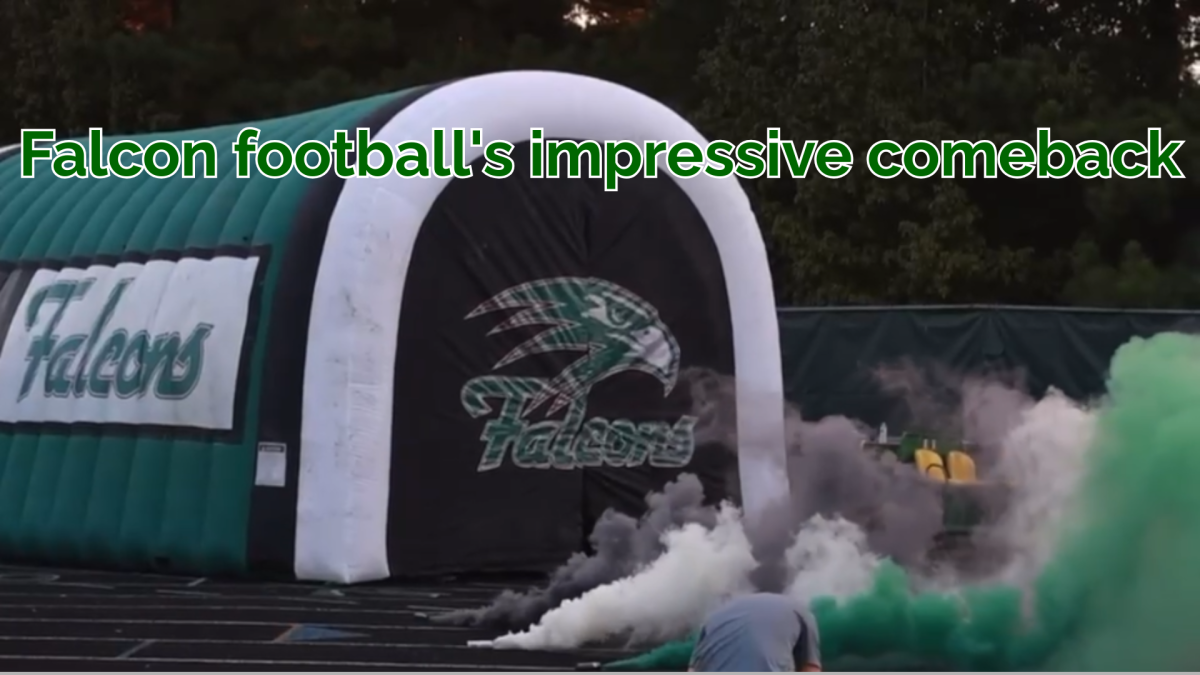
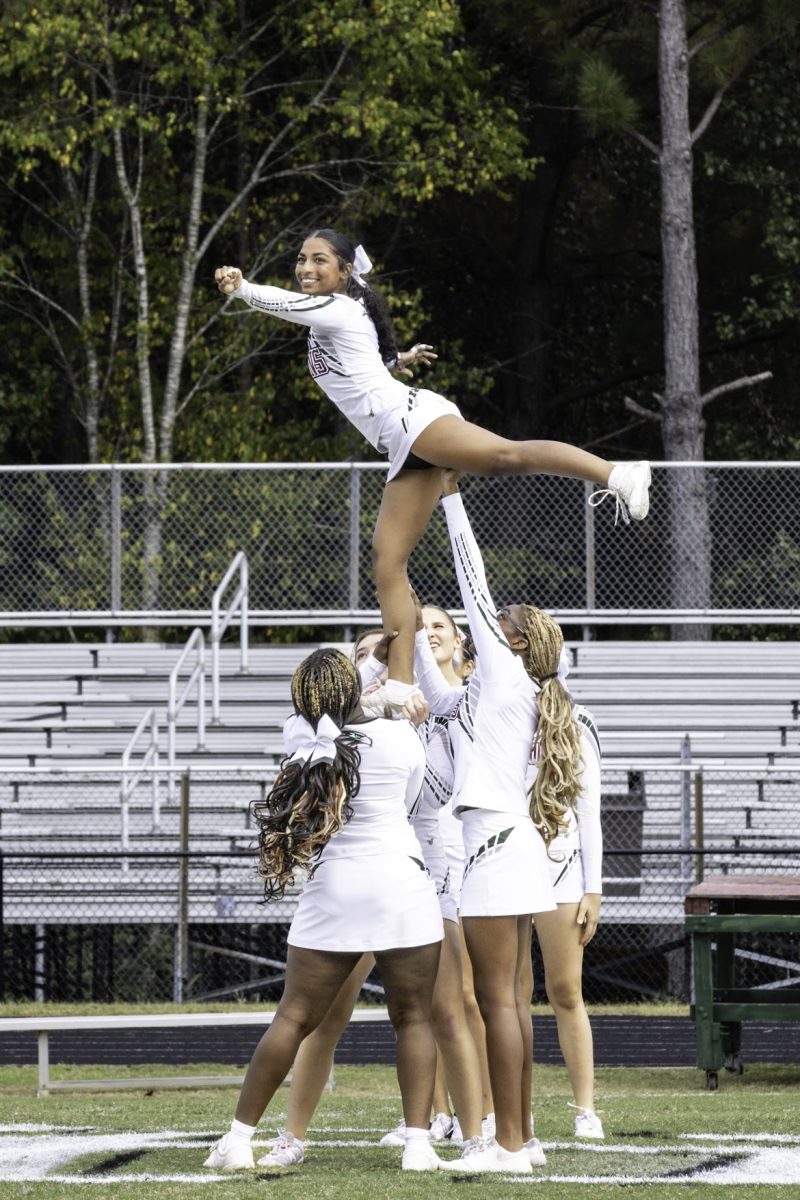
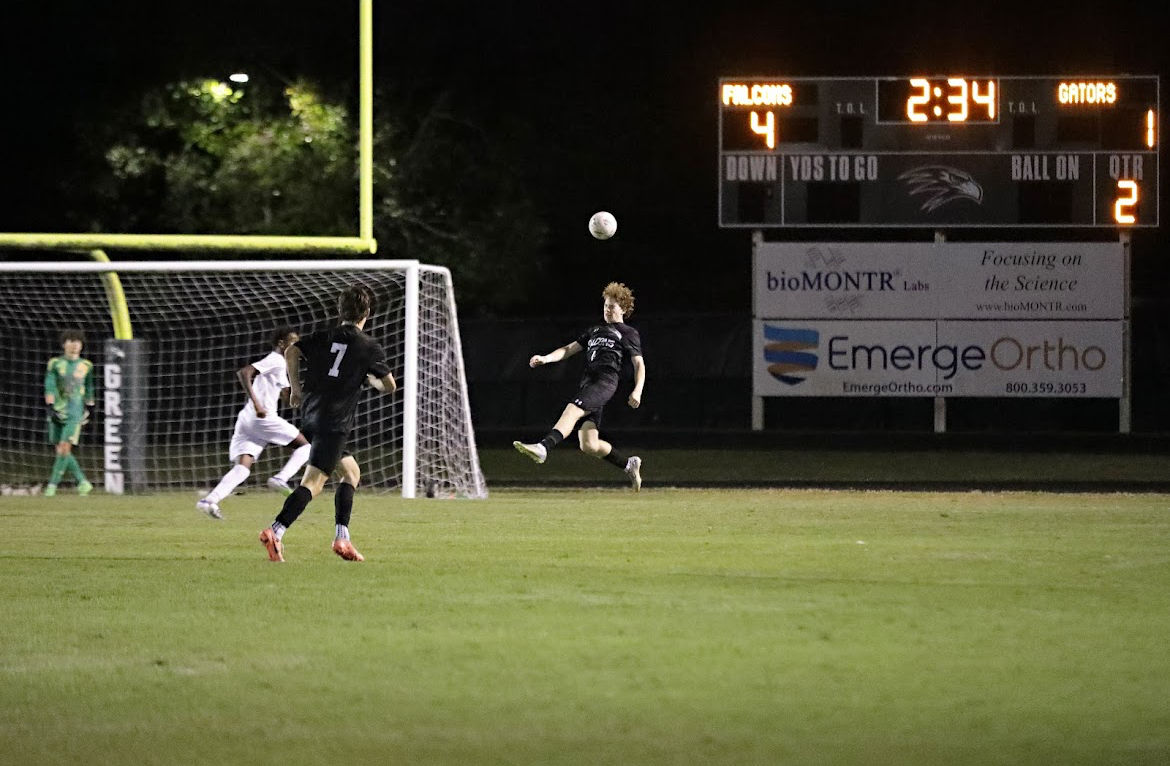
A school’s sports program is an educational system that offers sports like football, soccer, basketball and many more for students during and after school hours. A school’s sports budget is the financial plan and money allocated to the program that dictates its activities. In Green Hope High School, the budget for athletics is over $240,000 annually, raised by booster clubs, with an additional $1,000 provided by Wake County. This money then helps student athletes and the system acquire uniforms, scholarships and faculty maintenance safely. Just recently, double the athletic funding was acquired to build a new baseball field for the school’s team.
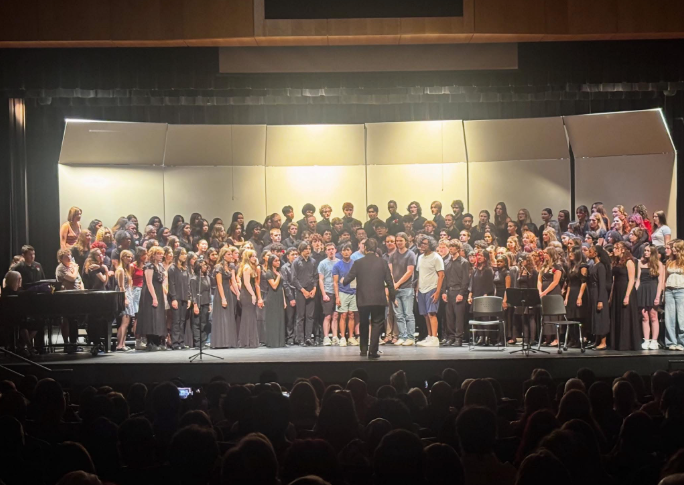
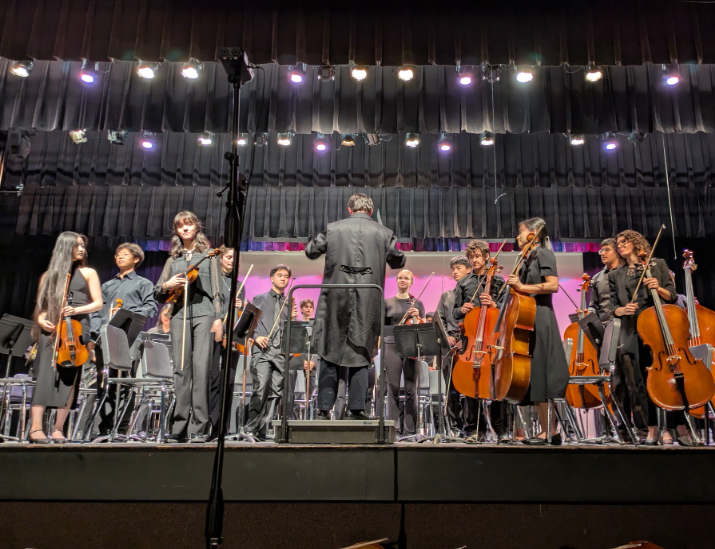
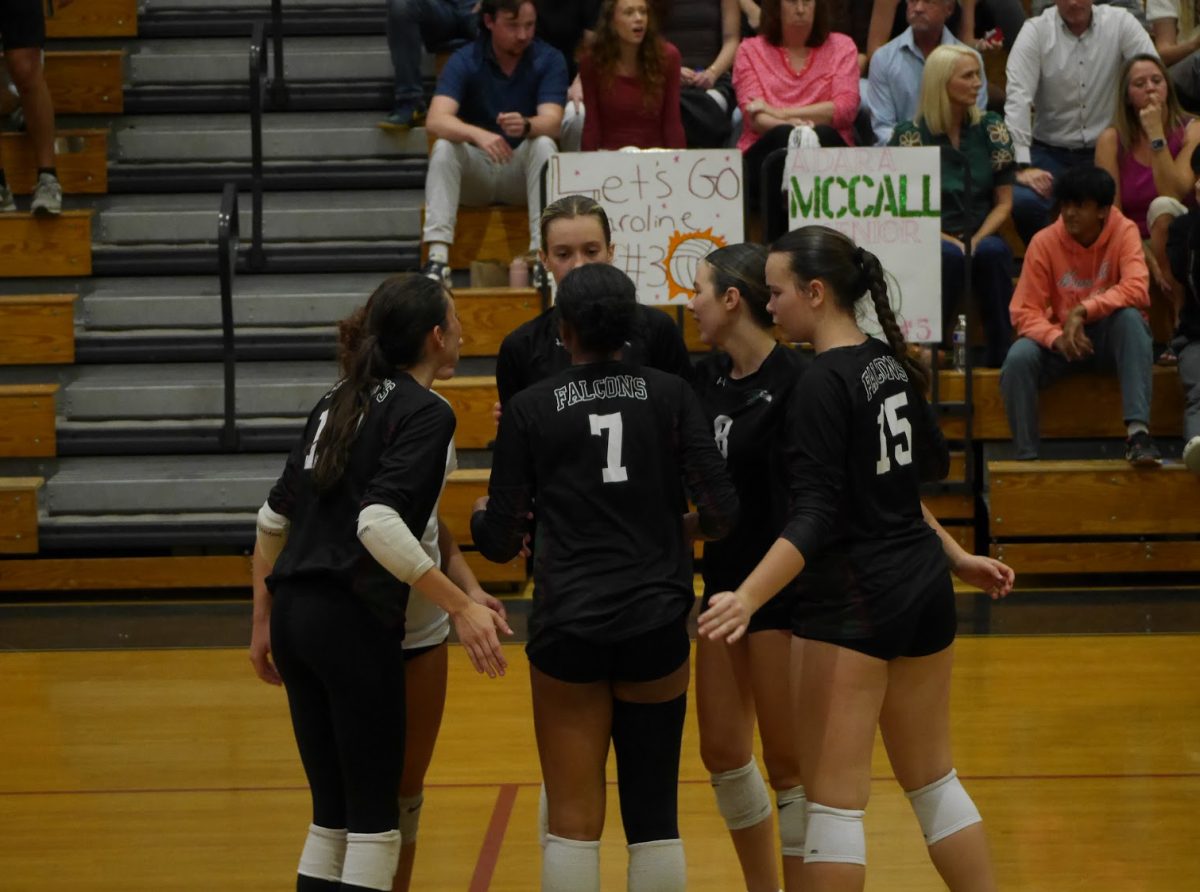
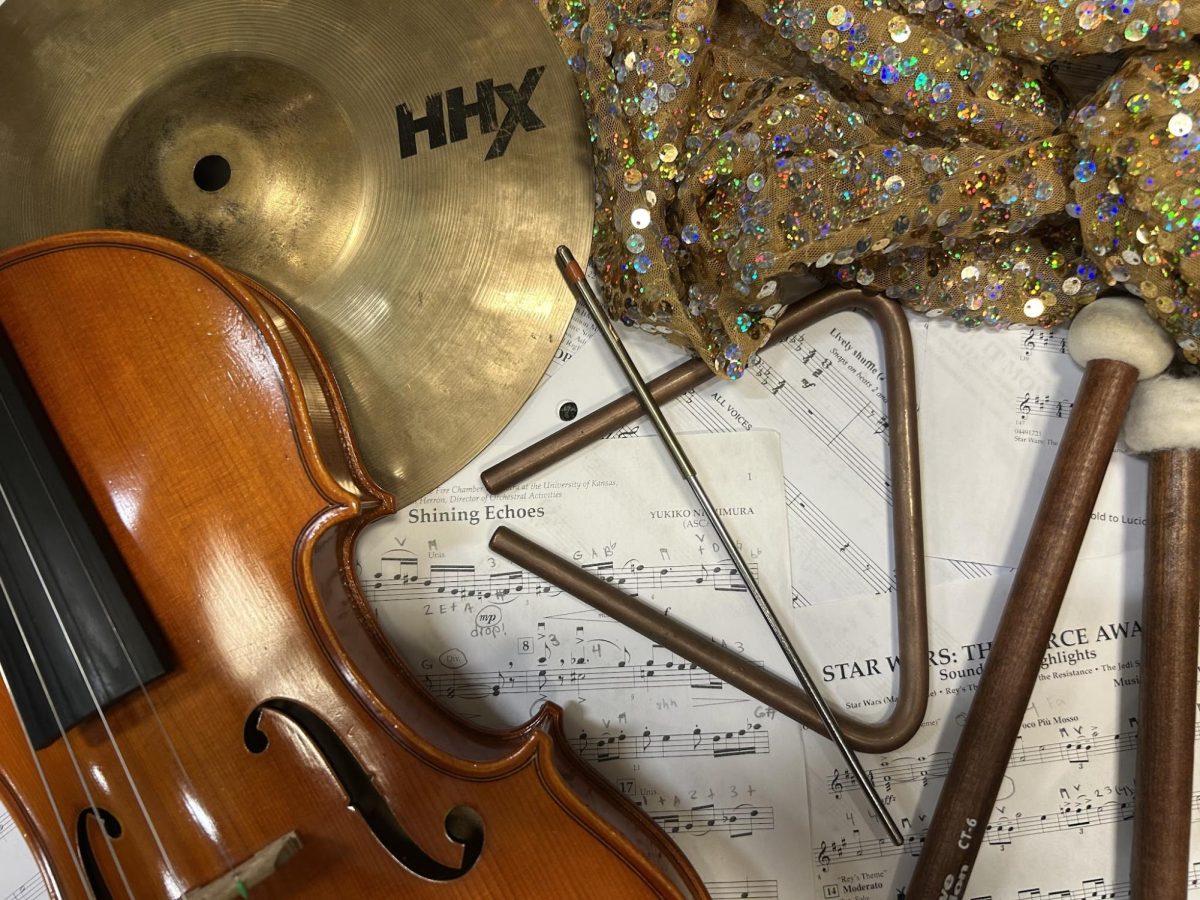
Compared to the budget for the fine arts program in Green Hope, concerns arise from staff and students. They question whether arts programs are underfunded when compared to sports, noting a difference in funding across the two programs. The Green Hope arts program, including band, orchestra and chorus as of 2025, has a budget of roughly $113,000, including money provided by Wake County. Like usual, the financial plan goes to buying musical instruments, set construction materials and theater equipment.
While there is no single consolidated number for how much the average national high school’s sports budget spends on students, budget allocations show that a typical high school’s budget will allocate around 2% to 4% of the money towards sports programs. For fine arts, only 1.2% of the money from funding is given to artistic programs. With the national high school budgets being an estimated $16.5 million annually, only $495,000 is given to sports, and 198,000 to arts.
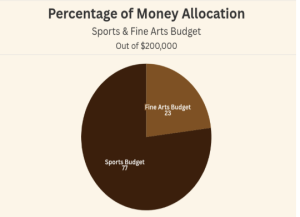
Both are necessary and important expenditures, but their contrast has caused dispute amongst the Green Hope community, starting discussions on whether the arts or sports budget should be raised or lowered. Alaina Wolber (‘28), a Sophomore in the Green Hope fine arts program, stated, “I think [Green Hope High School] puts a lot of money into certain things in the sports program that aren’t really necessary; there are plenty of things that we need too, but don’t receive enough funding for.”
Looking outside of the Green Hope world, A’Yana Williams (‘28), a student from the Garner Magnet High School dance team, added, “For sure, the arts program definitely struggles with budget issues. I don’t really notice this in sports activities.” The arts community believes that they are not provided enough funding as a whole, and money is being depleted elsewhere, creating inequality between different clubs or programs.
In the end, both programs warrant the essential amount of funding needed to spend comfortably on the things that make the programs the best they can be. Having these funds as clubs for students, whether one decides to join a fine art class or become a part of a sports team, lets students excel in the program they choose.