








































































Mental health awareness month originated in 1949 and was founded by Mental Health America, then known as the National Association for Mental Health, with the primary purpose of educating the public and supporting those who struggle with their own mental health. Since mental health awareness month has been established, there has been a significant reduction in stigma, with more access to care for millions, as well as more conversations being had about people’s mental well-being.
Even with all of the progress that organizations and the awareness month have made, there are still so many people who struggle day to day, believing that they are alone in their struggles. According to the National Alliance on Mental Illness, in 2024, 61.5 million adults struggled with mental illness, while 7.7 million minors aged 6-17 years old experienced mental illness in the US alone. With data released from the World Health Organization, it’s been estimated as of late 2025 that over a billion people live with mental health issues. Meaning that roughly 1 in 8 people in the entire world are experiencing some form of mental illness, with the number only growing.
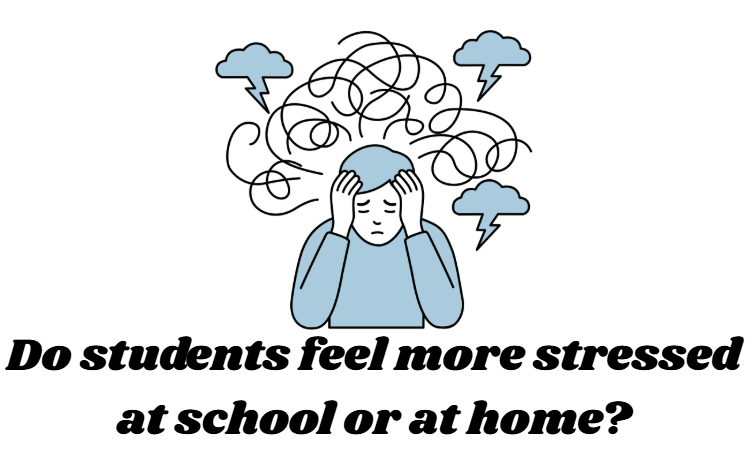
In Green Hope High School, students fit into the statistics of those who have experienced mental health issues or are continuing to. In a survey conducted by Green Hope High School student Skylar Bylciw, all respondents stated that they had experienced some type of mental struggle in their life, with only 40.7% of these people feeling like they had someone they could talk to or to support them. In this same survey, respondents claimed that the leading causes of their mental health struggles stemmed from school or from personal life issues with loved ones.
When asked if there was any way a student can unload stress from their mental load, Green Hope counselor Kiristi Font responded, “Make sure you are taking the time to find things in your day that you enjoy. Daily habits like moving your body, practicing controlled breathing, improving your sleep, and taking intentional breaks all add up to better mental health over time. Managing stress isn’t about having a perfect routine, it’s about finding small ways to take care of yourself, even on hard days”.
Beyond what someone can do physically, according to the National Institute of Mental Health, it’s important to set goals and keep positive. Focusing on negative thoughts only allows someone to continue to spiral and make it nearly impossible to improve themselves, whilst setting goals allows people to feel in control of their lives and allows them to keep track.
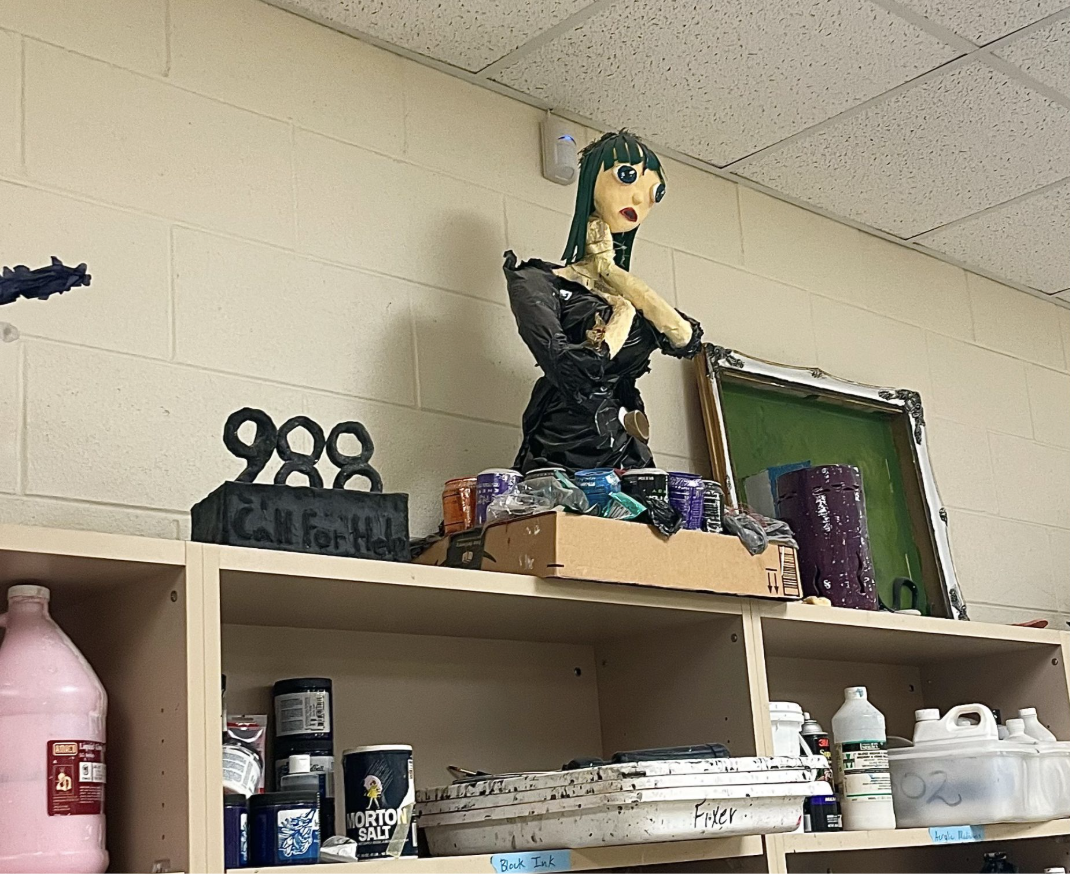
No one is ever truly alone, and there are so many people and resources out there that can support those in need, such as the suicide and crisis hotline 988 that can be called or texted, the school counselors, a trusted adult, and more. Today, the suicide rate has presumably dropped 11%; however, suicide rates are still horrifically high, with it being the second leading cause of death among people 15-34.
When asked what the signs of someone struggling with their mental health are, School Counselor Kristi Font responded: “There are many signs, but a few common ones are- changes in personality/mood, loss of interest in things they used to enjoy, feeling sad or hopeless, withdrawing from friends and family, trouble sleeping, trouble concentrating or talking or joking about negative thoughts about themselves”. It is important to note, however, that one bad day or a few of these comments don’t totally mean that a person is struggling; it is when its duration lasts weeks or even months that it can become worrying.
If someone is struggling, it is generally advised to be a kind listening ear that remains nonjudgmental and supportive, whilst advising them to talk to a trusted adult about their mental health. When someone is shamed for these thoughts, it further isolates them whilst increasing their symptoms because now the stigma and rejection are their only experience from attempting to reach out to someone.
If you or someone you know is struggling with mental health, be sure to reach out to a trusted adult or organization that can work to make progress. The strides that society has made to be more accepting and compassionate to those who are unwell have been advantageous in better understanding mental conditions and the human brain. There will always be ways to get better, but there is no shame in struggling in the first place.