





































































For seniors, the second semester of their last year of high school is generally one that stands out as easier than others. The stresses of extracurriculars, college applications and larger workloads are gone, and they can focus on finishing up their classes while taking a step back from the effort they’ve put in for close to four years. But despite having less work, one thing stands out as an absolute necessity for these students: preparing for post-secondary plans.
For those pursuing a post-secondary education, the first step is to actually commit to a college or university. While this can be a hard decision to make, there are a few key things to consider. Students should look at financial aid offers, the campus, reputation and if the school is good for their specific major or interests. There are a lot of other factors to consider, and it should be a well-thought-out decision. Generally, schools require a decision to be made by May 1, so students should be sure to keep deadlines in mind.
Once a decision is made, be sure to take time to celebrate. This commitment is a representation of years of effort that a student has put in, and it is essential to recognize these achievements before moving on to the work. Get a celebratory dinner, buy some merch, visit the campus or just take some time to recognize the work that was put in.
There is a substantial amount of tasks to do for any college or university, and students should be sure to stay organized and get all of the tasks done in a timely manner. While it varies from school to school, the basics are generally the same:
Submit official test scores and transcripts
If a student reports unofficial test scores on their application, they will be required to submit official reports of these scores. This includes SAT, ACT or AP tests that were taken and reported, and are required so the school can check that the unofficial reports were accurate. Students will also be required to submit mid-year and final transcripts, so that schools can check on their progress throughout the year. While it is rare, schools can withdraw acceptances if a student’s performance drops considerably and no longer meets the school’s standards, so it is important for seniors to maintain their grades throughout the end of high school.
Register for orientation and other events
Orientation is an essential part of getting to know the college or university that a student is attending, and is often required for new students. Students should register for orientation as soon as possible, as sessions fill up quickly. Before orientation, however, many colleges or universities will have admitted student days, which are essentially “mini-orientations.” They are usually a few hours long and contain information sessions and presentations for students to learn more about the school. These can be attended before committing to a school, and can be used to see if the school is the right choice for someone.
Apply for housing and find a roommate
At the majority of schools, freshmen are required to live on campus for their first year. Additionally, most college or university dorms have students live with a roommate. Deciding on both of these matters is essential, as much of a student’s time will be spent at their dorm. Schools will often provide resources for finding a roommate, and there are accounts on social media where students can post a summary about themselves to find similar people. New students are encouraged to find a roommate and research the different dorms before officially applying to a dorm.
Buy a laptop and course materials
New laptops are required at many universities and colleges, and many schools will provide discounts or grants for students to purchase them. Students should be sure to look into laptop requirements and pick one that is best for their major, as different majors and studies require different specifications. For example, STEM students should look into computers with more computing power, while students who don’t need quite as much strength from their laptop can look into ones that may be lighter and more convenient for day-to-day commuting and use.
Register for classes
Eventually, course registration will open, although it is at different times for different schools. Students should be sure to register as soon as possible, as classes fill up quickly. Many majors require prerequisite classes, and students do not want to miss out on a required class and play catch-up because they did not register in time.
Take required placement tests
Although it varies from school to school, many will require new students to take placement tests in math, English, science or languages. Students should look into the specific requirements for their chosen school and determine which placement tests they need to take. Freshen up on the material, then set apart some free time to complete the tests. These are necessary for placement into the correct classes and ensure that students are not placed too high or too low in their subjects.
Be on the lookout for additional information or requirements
Many colleges and universities will have their own specific requirements for new students, and will often have their own checklists on their websites for students to complete. Students should take a look at every part of the checklist and be sure to complete all of the requirements within the deadline.
There are a lot of official steps to cover after committing to a college or university, but behind the checklist, what are students really focused on?
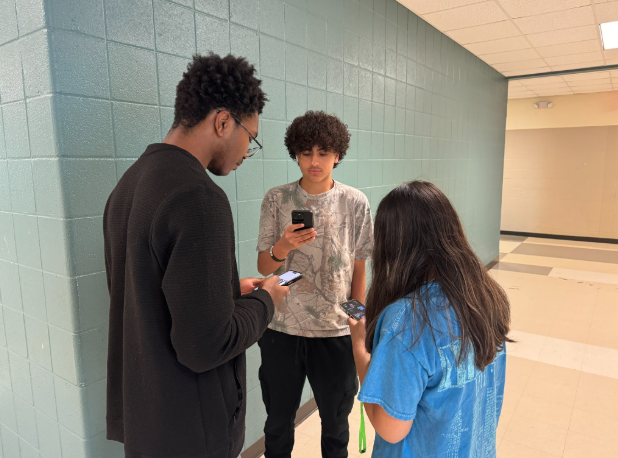
Dillon Tyndall (‘26), a senior at Green Hope, sat down with the GH Falcon to discuss what he has been focusing on. He plans to attend the University of South Carolina next year, and discussed how, “I need to finish my housing application as well as orientation. Those are my two main priorities at the moment.” He went on to emphasize the importance of finishing his tasks on time. “I was a bit behind on orientation registration, because I was waiting until recently to make my final college decision.”
While Tyndall emphasized the importance of college tasks, he also brought up a point that many seniors fall behind on: finishing high school. “I have a paper due tomorrow that I’m also making sure to focus on.” While making sure tasks for colleges or universities are completed is essential, it is also important to keep high school in mind, as maintaining good grades is essential.
While moving from high school to a post-secondary education is an exciting new step, it comes with a lot to do. It can be hard to keep track of everything, and it is easy to get overwhelmed. Keeping a checklist or setting reminders can be helpful for students to finish up their time in high school and move on to the next steps of their education.