










































The best-selling book genres in 2025 were romance, thriller, science fiction and fantasy. Each of these genres is distinct and offers something unique. Romance books are typically heartwarming, detailing developing relationships and ending on an optimistic note. Thrillers are fast-paced and adrenaline-boosting with new twists at every turn. Science fiction and fantasy go in-depth into new worlds and societies with the only limits being an author’s imagination. Despite each of these genres’ differences, they have one thing in common: they are all works of fiction.
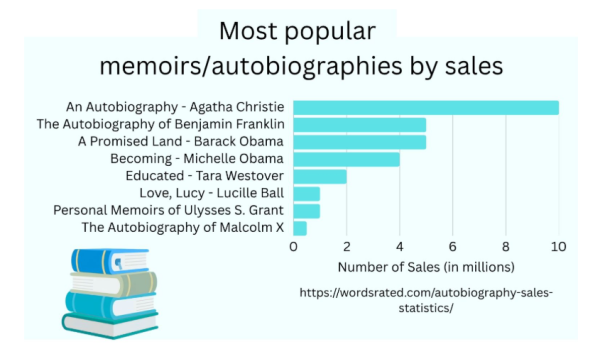
(Jenna Lipkin)
Fictional books dominate what the average person reads for recreation. Although nonfiction books appear to sell more on paper, this statistic is misleading because of how many nonfiction books the educational system relies on. While fictional stories can provide people with valuable life-lessons and hours of entertainment, nonfiction books, specifically memoirs, arguably provide people with stories that change their perspective on life. To recognize that the story being told is not fiction but someone’s real-life experience can entirely change how the book is read.
Memoirs can show readers how the author got through a hard time in their life and grew from it, how they persevered through circumstances in their childhood or can be about anything that the author wants to share about their life. Because these are real stories, readers can more easily identify with what the author is going through and have an easier time understanding how each catalogued experience shaped who the author became.
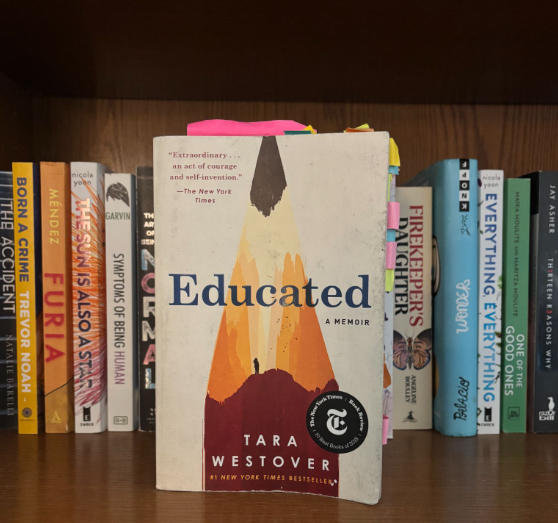
In her memoir, Educated, Tara Westover details her story growing up in a highly religious Mormon household. She was isolated growing up and had to live with her violent brother Shaun and unpredictable father. Her memoir focuses on how she overcame the barriers in her household and left to go to college. Despite experiencing numerous culture shocks through college, she successfully graduated. However, going to college estranged her from her family, and she had to grapple with the fact that her family cast her out.
Westover reflects on many common experiences: feeling left out of her family, wanting more out of life and finding her purpose. Of course, the majority of people do not grow up on a farm in Utah with Mormon parents that want to homeschool them, but reading her memoir, people can reflect on how they see the same overall themes in their life and watch how Westover overcame them. Her memoir is empowering.
Another empowering memoir is Jennette McCurdy’s, I’m Glad My Mom Died. Nickelodeon star McCurdy details how her self-centered and controlling mother pushed her into acting and how her innate desire to please her mom led to long-term eating disorders and a spiral that she could not escape even after her mother passed. Her memoir ends with her beginning to come to terms with who she is and open a new chapter in her life. The experiences that McCurdy shares are extremely vulnerable and her narrative throughout the book shows readers how she persevered when she felt like she had no one left.
Fictional books can cover the same topics, and they can even tell the same stories in fictional scenarios, but knowing that a book recounts real experiences and real events makes the story impactful. Readers can imagine the story taking place somewhere and the author’s voice leads them through the story, often injecting it with sarcasm or humor.
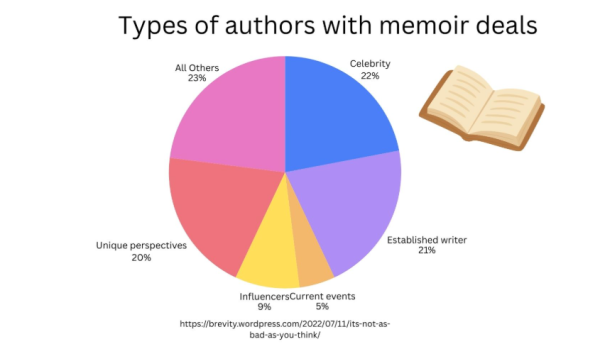
Despite the interesting topics and lessons written about in memoirs, memoirs are exceptionally challenging for authors to write, especially authors without some sort of existing platform. Memoirs struggle with getting long-lasting audiences since authors can only write one memoir compared to fantasy authors that can write 20 book series if they would like to. Another consequence of only being able to write one memoir is that these authors typically have little experience in the writing industry, which can hinder the marketing of their book.
The scope of the genre also makes finding an audience challenging. Memoir topics can range greatly from story to story, as no two people’s lives are the same. Compared to a genre like mystery or science fiction, memoirs could be about any type of experience or about people with any background in the world. The breadth of the genre can be overwhelming for readers.
Memoirs are a form of nonfiction that retain the entertaining aspect that people enjoy from fiction, but recount real experiences that allow readers to further identify with them and gain new perspectives. Even though many memoirs often center around people who have had unique and often uncommon experiences, readers can still draw life lessons from them and connect to some of the overarching themes. The realness of memoirs sets it apart from fictional stories, and the genre that everyone should enjoy at some point.