








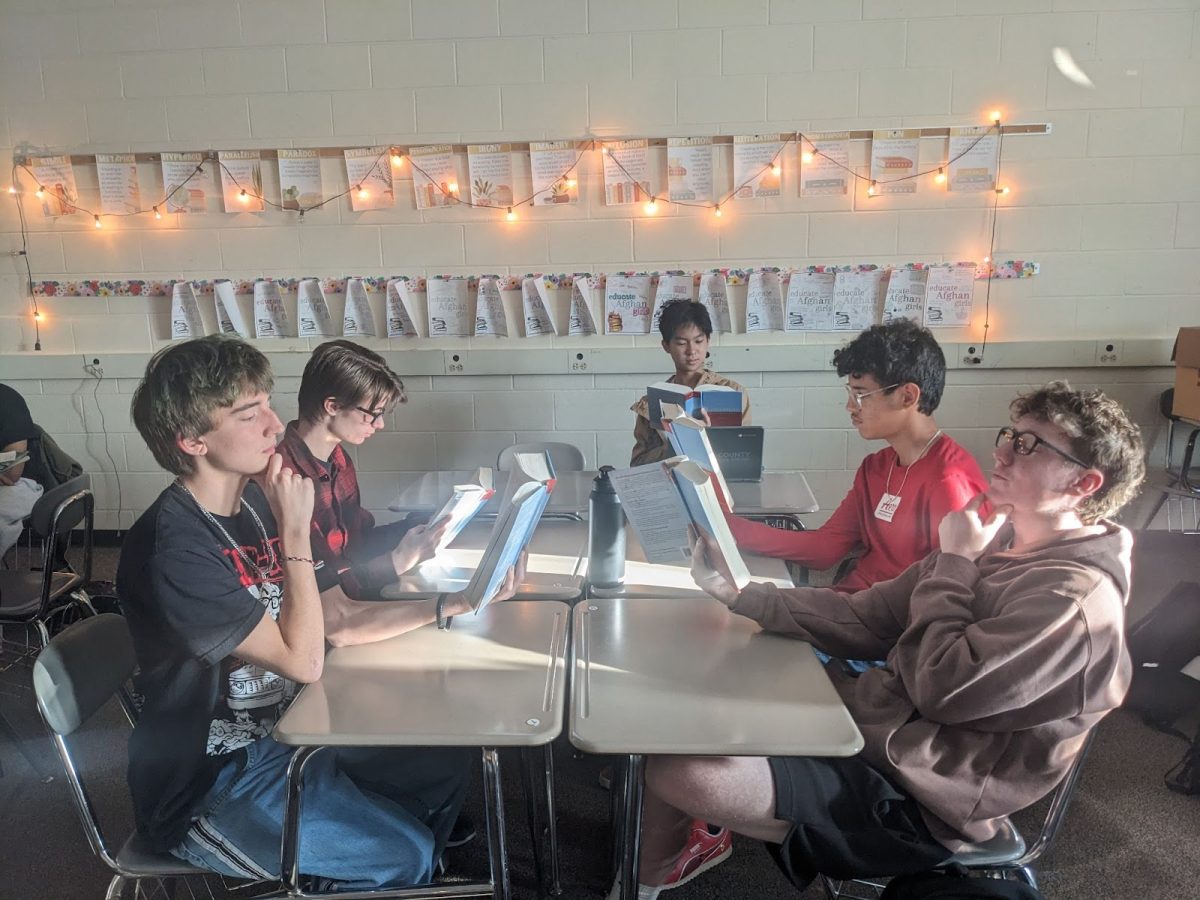




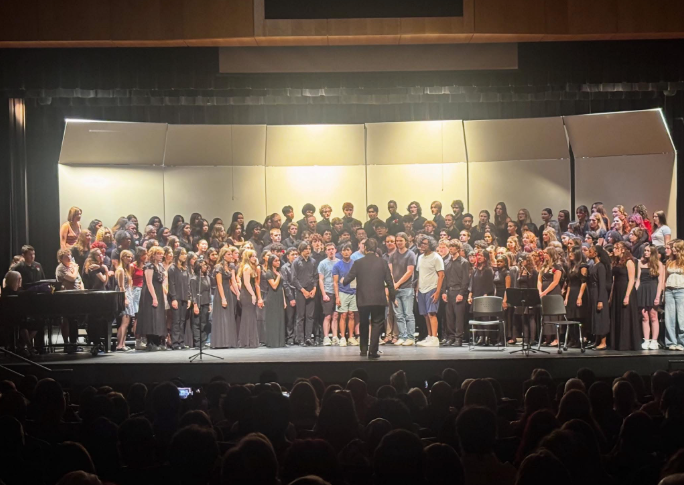

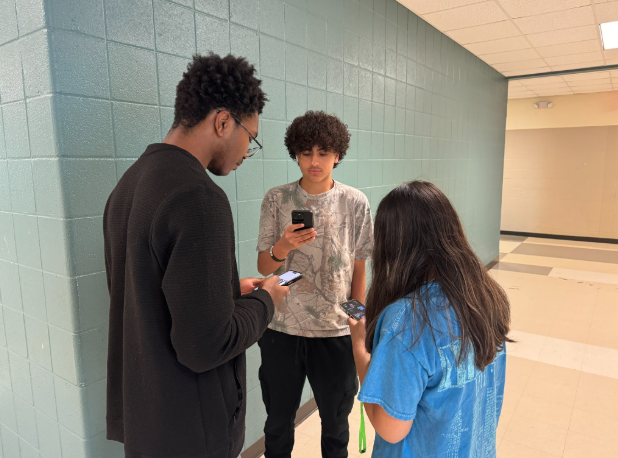
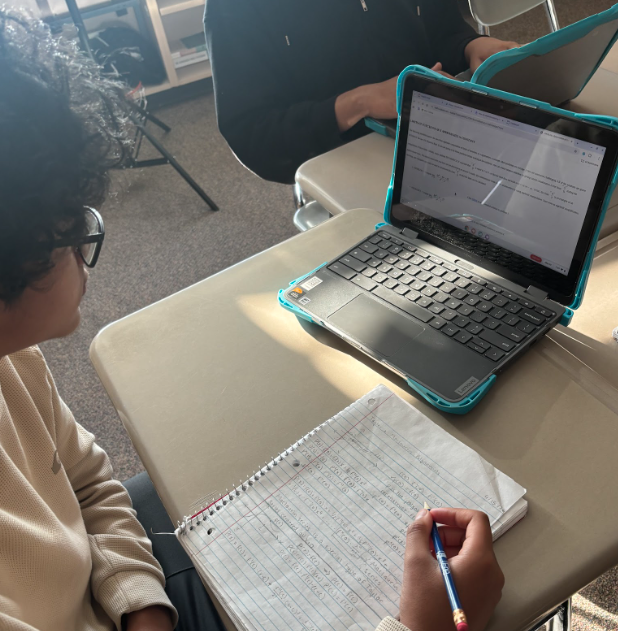




























Every April, communities across the nation join the Autism Society of North Carolina (ASNC) to celebrate Autism Awareness and Acceptance Month. This month is dedicated to honoring the unique experiences of the 1 in 36 children and thousands of adults living with autism in our community. According to the Autism Society of North Carolina, the goal is not just to spread awareness but to foster true inclusion where every individual is valued for their unique contributions. At Green Hope High School, this mission is put into practice by Ms. Jensen, an ECS Teacher and Women’s Varsity Coach. Ms. Jensen explains her approach to inclusion, “I make students feel included, safe, comfortable in my class by getting to know them, their hobbies, their strengths, weaknesses, things that trigger them, what they like to play with.”
The Autism Society of North Carolina defines autism as a “Spectrum disorder,” meaning that while all individuals share certain primary characteristics, the combination and intensity of these traits vary significantly from person to person. Some individuals may have significant challenges with verbal communication or social interaction, while others may possess advanced technical skills or intense focus on a specific subject. This diversity requires an educational approach that is as flexible as it is empathetic.
The goal at Green Hope is not just to spread awareness but to transition into active acceptance. This involves recognizing that the needs of a student with autism change as they grow. The ASNC highlights that support must span the entire lifespan, from early intervention to adult services. In the classroom, this translates to a holistic understanding of the student that extends beyond the school bell. “I get to know their families and work closely with them to make sure we are all on the same page about goals, things happening outside of the classroom, their family dynamic, the holidays they celebrate and the traditions they have,” Ms. Jensen notes. By aligning school goals with family traditions and dynamics, teachers create a seamless support system that mirrors the comprehensive resources provided by the ASNC, including clinical services and social recreation programs such as Camp Royall.
Creating an inclusive environment requires more than good intentions; it requires proven strategies. The Autism Society of North Carolina emphasizes the use of evidence-based practices, such as Applied Behavior Analysis (ABA), to help individuals develop skills and increase independence. These clinical resources provide a framework for success, but the daily execution happens in the “victories” found in the classroom.
Meaningful support involves celebrating the journey, regardless of how traditional or non-traditional the milestones may seem. Since autism is a spectrum, success looks different for every student. “I make my students feel included in my class by celebrating the smallest and biggest victories,” Ms. Jensesn explains. This approach ensures that students feel seen for their efforts. The classroom becomes a place of both hardship and joy. “We have a lot of fun in our class, but we also work really hard, try new things, and are constantly working towards our goals.”
A core shift in modern advocacy, supported by the ASNC mission, is moving beyond awareness to acceptance. “Awareness is the first step. Acceptance is the goal.” This involves looking past a diagnosis to see the individual’s potential and their worth as a member of the community. At Green Hope, this philosophy is at the heart of inclusive teaching. Ms. Jensen shared a powerful sentiment regarding the nature of inclusion: “It’s not that I am making students with autism feel included in our class, but more so, instead I am making sure all students feel included in my class, regardless of the label or disability they might have.”
By removing the stigma of a label, the school helps create an environment where neurodiversity is the standard rather than the exception. The ASNC notes that while autism presents challenges in communication and social interactions, it does not define a person’s ability to contribute meaningfully to society. When the school community adopts this mindset, it fosters a culture of belonging that benefits all students, not just those with a disability.
As April highlights the need for public policies that expand access to services and support, the responsibility ultimately falls on the local community to implement these changes in daily life. Acceptance requires an active effort to acknowledge that every individual on the spectrum has something valuable to offer, whether it is a close/high attention to detail, a unique perspective on a problem, or specialized knowledge in a specific field.
“Autism is a very large range; even students with significant challenges related to their autism have strengths,” Ms. Jensen recalled. These strengths are the building blocks of a vibrant, diverse school community. However, tapping into that potential requires the community to be as adaptable as the students are resilient. “As teachers and as a community, we have to be creative and think outside the box to make sure we are capitalizing on their strengths, making changes to the environment in which they can feel safe, seen and comfortable.”
The Autism Society of North Carolina provides the toolkit, through advocacy, education, and direct services, but it is the daily actions of students, teachers, and families at Green Hope that turn those tools into a reality. This April, as the community reflects on the importance of inclusion, the message is clear. When we change the environment to fit the student, rather than forcing the students to fit the environment, everyone thrives.