



























































In most countries, the age of 18 is seen as the “magic number.” It is the age when a person is legally considered an adult, allowed to sign contracts and permitted to vote. However, many people are now asking a big question: Should 16-year-olds be allowed to vote, too? A growing movement suggests that 18 might be two years too late. Proponents argue that lowering the voting age to 16 would strengthen democracy, while critics worry that younger teens lack the maturity to make such high-stakes decisions. This debate is supported by evidence from countries like Austria, Scotland and Germany, where research shows that those who begin voting at 16 or 17 often participate at higher rates than those who wait until they are 18.
One of the strongest arguments for lowering the voting age is that 16-year-olds are already deeply affected by government policy. At 16, many teens are working jobs, paying taxes on their wages and are capable of incredible accomplishments. They are also driving cars on public roads and attending school. Supporters argue that if a person is old enough to contribute to the economy and follow the law, they should have a say in the people who write those laws.
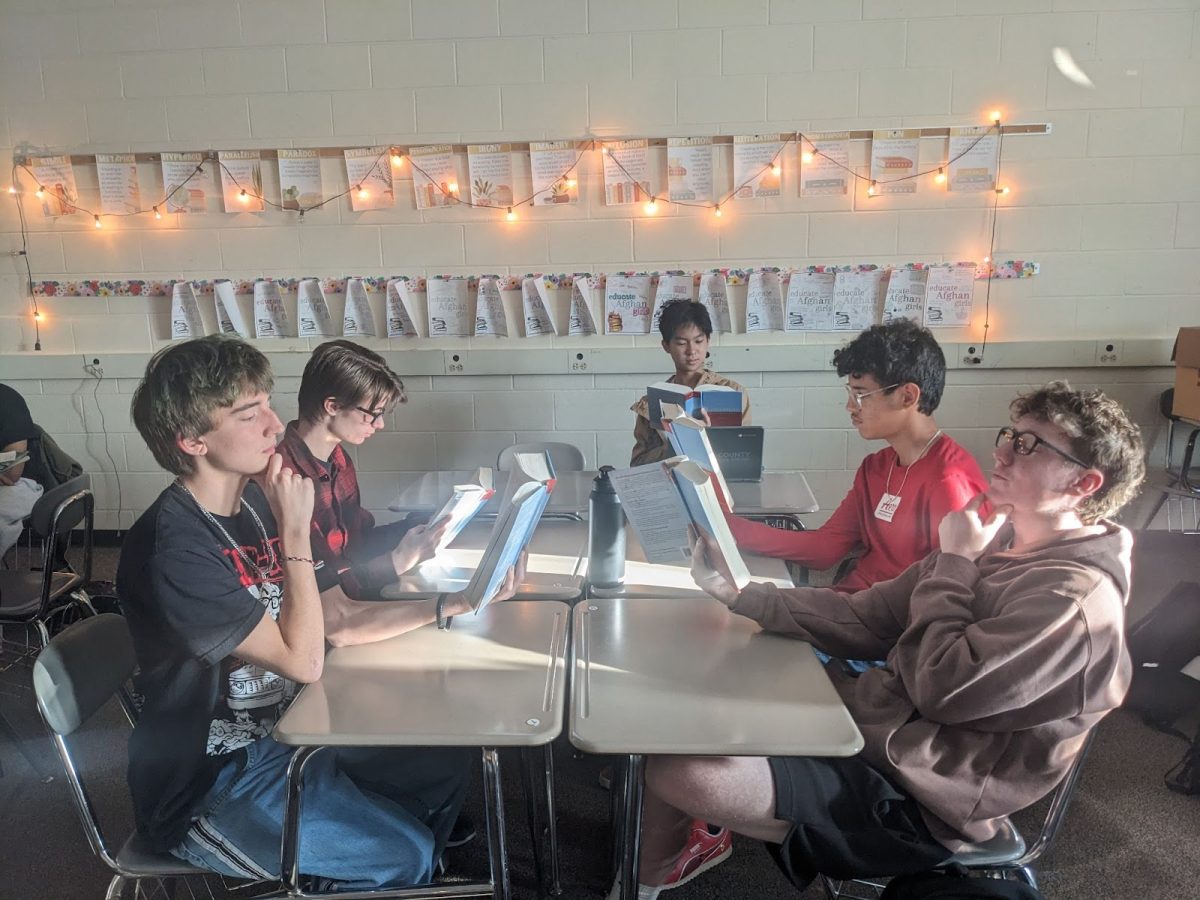
Furthermore, experts suggest that voting is a habit, and by starting at 16, a time when most students are still in a stable environment and taking civics classes, the transition to becoming a lifelong voter is significantly easier. Data from countries like Austria and Scotland proves this success, with 16-year-olds turning out at rates as high as 88% and 75% respectively, often outperforming older first-time voters. These studies show that being “anchored” in a school environment provides the necessary support to navigate the voting process, turning an initial ballot into a lifelong behavior. Ultimately, lowering the voting age to 16 is a proven method for increasing immediate political participation and securing the long-term health of our democracy.
On the other side of the debate, many people believe that 16 is simply too young. Critics often point to biological research regarding the teenage brain. The prefrontal cortex, which is responsible for planning, judgment, and impulse control, does not fully mature until a person’s mid-20s. Some argue that because the brain’s reward centers are more active during these years, 16-year-olds might be more influenced by emotion or social pressure from parents and peers.
There is also concern about life experience. An 18-year-old is often heading into the workforce or higher education, facing “real-world” responsibilities that a high school student might not yet understand. Some fear that younger voters lack the political maturity or knowledge required to make decisions that affect the entire nation.
However, this argument assumes that teens cannot understand the world until they graduate, which ignores how the brain actually works. While some worry about maturity, 16-year-olds are actually at a stage where they can make calm, logical decisions. Unlike 18-year-olds, who are often stressed by moving away from home or starting new jobs, 16-year-olds tend to have stable lives at home and in school. This stability makes it easier for them to focus on learning about leaders and laws without the many distractions that come with being an older adult. Therefore, the idea that they lack “experience” is not quite right; being in a steady environment actually makes them better prepared to think clearly about the future.
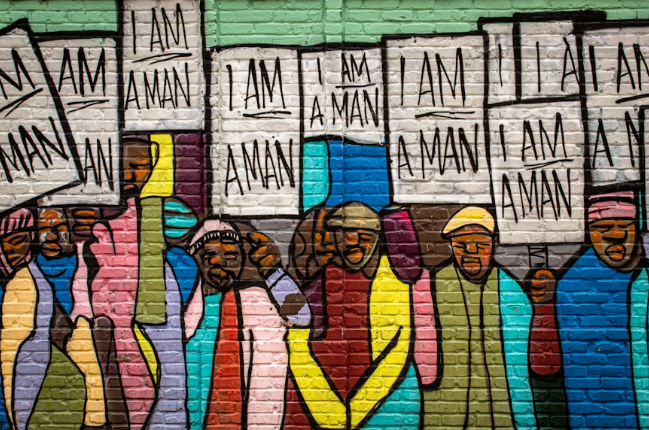
The debate over the voting age is ultimately about how society defines “stakeholder.” Young people are increasingly participating in social movements, such as those advocating for climate change and school safety, demonstrating that their absence from the polls does not mean a lack of interest in politics. Since they will face the lifelong impact of today’s political choices, they have earned the right to be included in the decision-making process.
By lowering the voting age to 16, society can finally ensure a healthier democracy that embraces informed and active young citizens while they are still in a supportive school environment. Lowering the age to 16 allows schools to play a vital and immediate role in teaching students how to analyze candidates, ensuring these young people who work, pay taxes and drive don’t have to wait until they are 18 to finally have a say in the laws that govern them. Including 16-year-olds is the only logical choice for a forward-thinking democracy, as it grants those who will live longest with the consequences of today’s political choices the right to help shape their own future.