





























Artificial Intelligence (AI) has come a long way since 2023, when the AI-generated video of Will Smith aggressively eating spaghetti was created. That video was humorous and easily identifiable as inauthentic. But, today, AI videos have advanced to a point of becoming impossible to identify what is real and what is fake. Critical thinking and creativity is suffering because anyone could put in a prompt and quickly receive an answer. In 2026, anyone can make AI generated content, from “Fruit Love Island” to celebrity deep fakes.
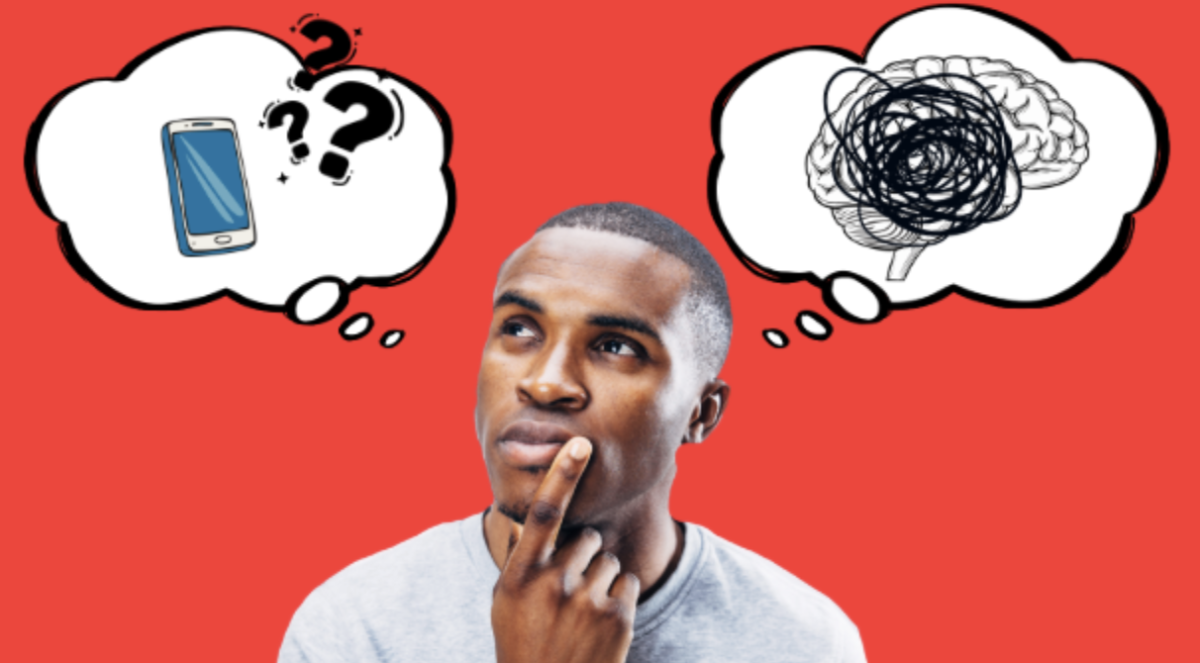
A study done by MIT graduates explored the effect of AI on the mind in a sample experiment. The study was conducted by separating participants into three different groups: Large Language Model (LLM), Search Engine and Brain-only. The graduates found that cognitive flow and connectivity was completely different among the groups. The study found identifiable differences between groups who did not use any technological tools, Brain-only, in written essays. The originality of work is slowly taken away the more someone relies on learning systems.
Overall, the LLM group had the weakest neural connectivity and brain-only display the strongest. Search Engine fell somewhere in the middle, with only moderately weak neural connectivity. If people continue to rely on the use of AI, their ability to recall information will falter, as stated in the study. “The LLM group also fell behind in their ability to quote from the essays they wrote just minutes prior.” AI’s effect on the brain will continue to harm minds if not managed properly, but this is only one of many concerns that AI causes.
AI has many uses, such as enhancement, image video generation and voice creation. When forms combine, it becomes difficult to discern what is real. The creative community complains that as AI advances, the need for artists like them will die out. Why ask a real artist that requires payment when AI is free and quick? This is likely the question that rolls around in people’s minds when debating whether to use Artificial Intelligence or not.
When creating AI-generated content, the user can simply plug in an artist’s work for a similar style. Various artists have tried combating the rise in AI by using other platforms such as Glaze or Nightshade to disrupt AI’s training system. Glaze and Nightshade are programs that are designed to protect human artists by understanding how the AI’s training system works. These human-generated programs change minimal aspects about an art piece to where it looks unchanged to the human eye, but to AI models, it appears as a completely different style. The change may not seem big to human eyes, but it can poison the AI generation so artists’ work is protected. Other artists have tried to enact legal action against AI itself and the right for people to steal their art or style.
Whenever the argument is brought to court, judges decline the action of copyright for AI-generated content. There are trends on social media where people can turn photos of themselves into a specific style of artwork, for example Studio Ghibli, which was never approved by the creator Hayao Miyazaki. Yet, the court does nothing to correct the plagiarism. Currently, there is no massive legal action that is being taken against AI and their right to use original content, however, that could be subject to change. In the meantime, artists are fighting the fact that the art they generate can‘t be protected from copyright infringement.
In short, AI is not original. Everything AI generates is based on what is used to train its response system and can’t be considered original content— or at least it shouldn‘t be.
Artwork isn’t the only thing being taken over by AI, music is also being thrown into this impossible mix of catastrophe. Platforms like Suno and MusicGPT use AI to create, in Suno’s words, “stunning original music,” which was sued by Recording Industry Association of America for copyright infringement in June of 2024. Music connoisseurs complain that the use of AI in these human authenticated media is taking away from the hard work real artists put into their creations. AI simply copies what is already available, and uses that to create something that is barely an imitation. Despite complaints about AI‘s lack of originality, the swell of AI generated content hasn‘t stopped.
AI use as a whole hurts mental cognition and originality alike. The use of LLM content started as a way to stimulate ideas, but now is used to replace critical thinking and valuable skills. If there aren’t barriers put in place to quell use, then it may become even harder to understand what is real in the future— not only because of technological advancements, but also because future generations will lack the ability to think for themselves.