

























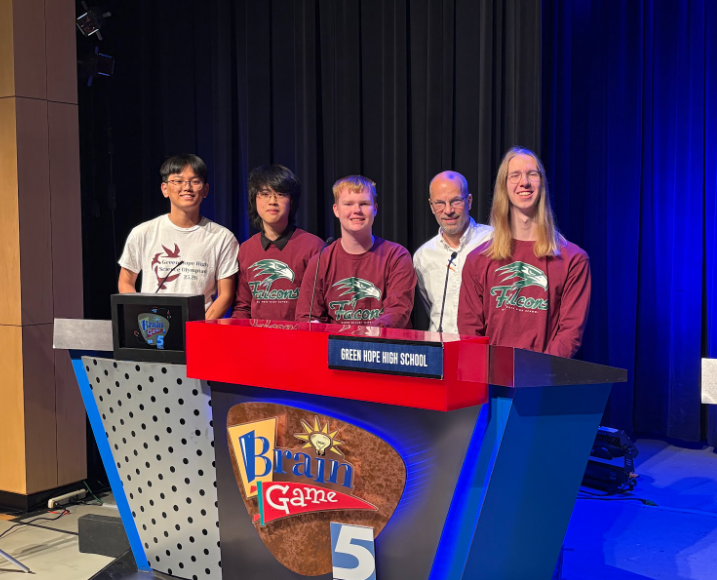
In a down-to-the-wire competition, the Green Hope Quiz Bowl Team defeated Wake STEM Early College 461 to 460 at the Brain Game playoffs. The team will now compete in the semi-finals on May 2 for a chance to be crowned Brain Game Champion.
The competition works “kind of like a bracket,” as Quiz Bowl advisor Daniel Teitelbaum described it. After the regular season, Green Hope moved onto the playoffs with 16 other high schools. They won their matchups in Round 1, advancing to Round 2 where they beat Wake STEM by a singular point, securing their spot in the Final Four.
Each game consists of nine categories, or rounds, where teams are given three questions per topic. The categories are: Pop Culture, Headliners (current events), Across America (geography and landmarks), Word Power (vocabulary and creative thinking), Arts & Lit (music, dance, theatre, art, architecture, and literature), Name Game (people, places, and things), Crunching Numbers (math), Rocket Science (astronomy, biology, chemistry, earth science, physical science, and technology) and Globetrotting Extra Credit (the global geography-focused final round). Each question is worth 20 points, but teams may answer “pass” for a question without a point dedication.
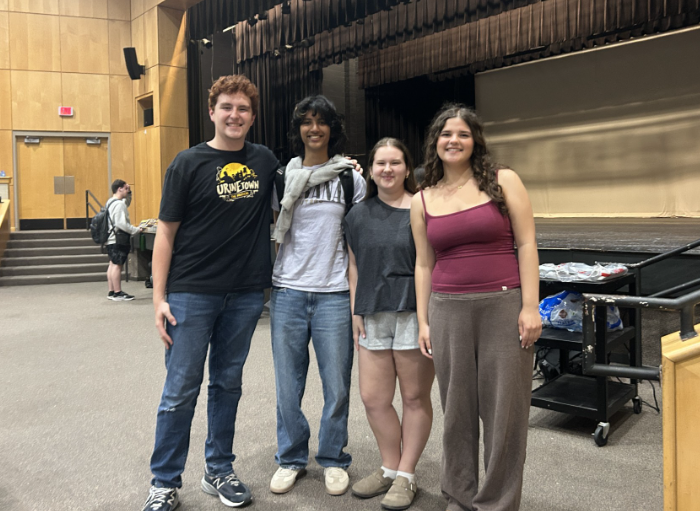
Teams consist of three main players and an alternate— although a fourth player is not required. Green Hope’s team consists of Reid Eason (’26), Nate Dorff (’26), Matthew Jeon (’28) and Jerry Zhang (’26). After the Arts & Lit round of Brain Game, an alternate may be substituted in, but must stay for the rest of the competition. If a player is not substituted then, they may come in during commercial breaks, but only to relieve a player who is no longer physically able to play.
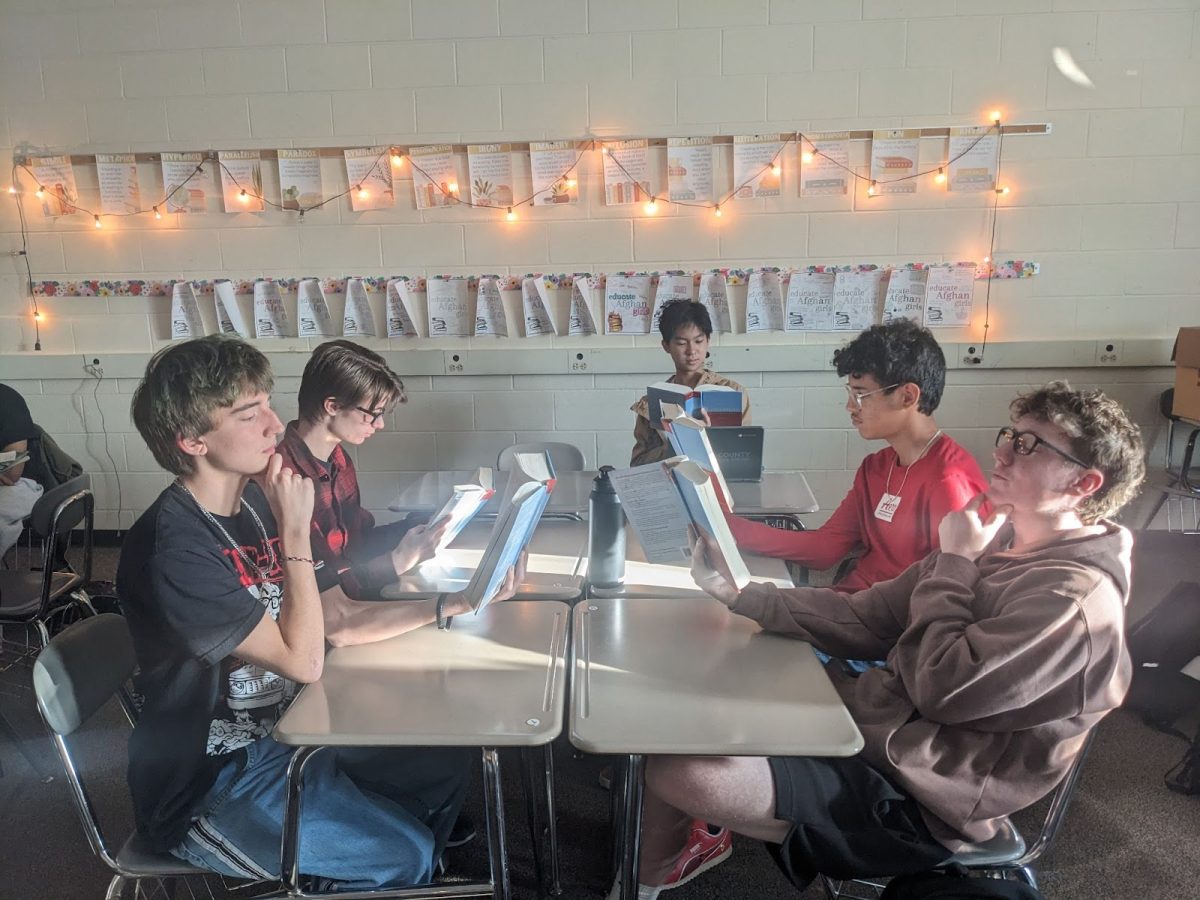
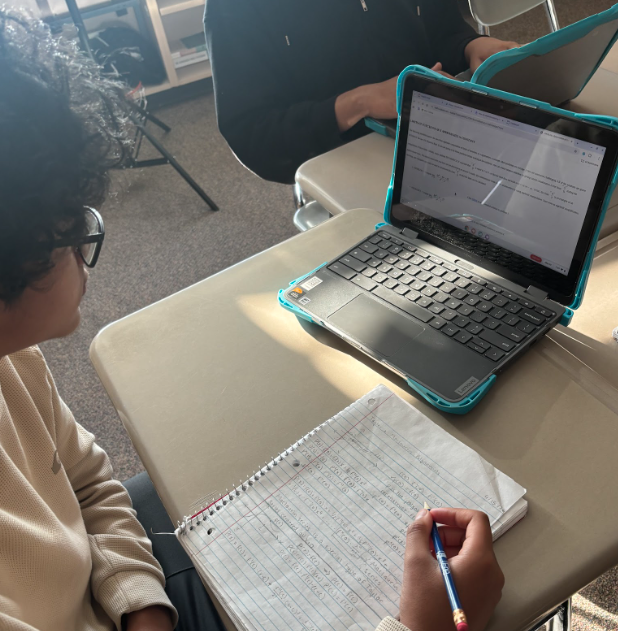
The success of this year’s Quiz Bowl team at Green Hope can largely be attributed to their love for trivia and practice regimen. “This is the farthest we’ve gotten,” said Teitelbaum. The club meets each Wednesday during the first half of lunch where they review practice packets with trivia questions similar to those asked in competitions.
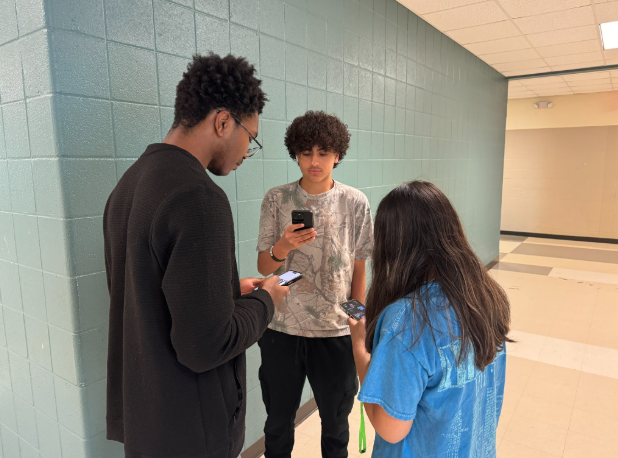
However, it is not just the four competing members that attend. Students who are interested in trivia but do not compete in Brain Game still attend meetings to engage in casual competition and conversation with like-minded peers. Teitelbaum noted that, “There are a lot of guys and girls that are in the club that just like that kind of activity, that intellectual kind of competition, like Jeopardy almost.” The competition without pressure allows for more of a focus on socialization, something that competing member Eason enjoys. “There are a lot of times I learn something on trivia and I have a conversation with somebody about it. So I think it’s a really good way to connect with people.” In addition to doing practice packets at weekly meetings, competing members also go to the library to study. “We’ll watch the broadcast of the other teams and Brain Games,” said Eason. The consistent practices help the team stay prepared for competitions, which has given them an advantage over their opponents.
Additionally, because the team is interested in different categories of trivia, they each have a unique specialty that makes them a more well-rounded team. Dorff, for instance, specializes in current events while Eason stays more up to date with pop culture.
The Green Hope Quiz Bowl team’s passion for trivia and practice routine have helped them reach the semifinals of Brain Game. On May 2, they will put their knowledge to the test and hopefully win the title of Brain Game Champion.