






























































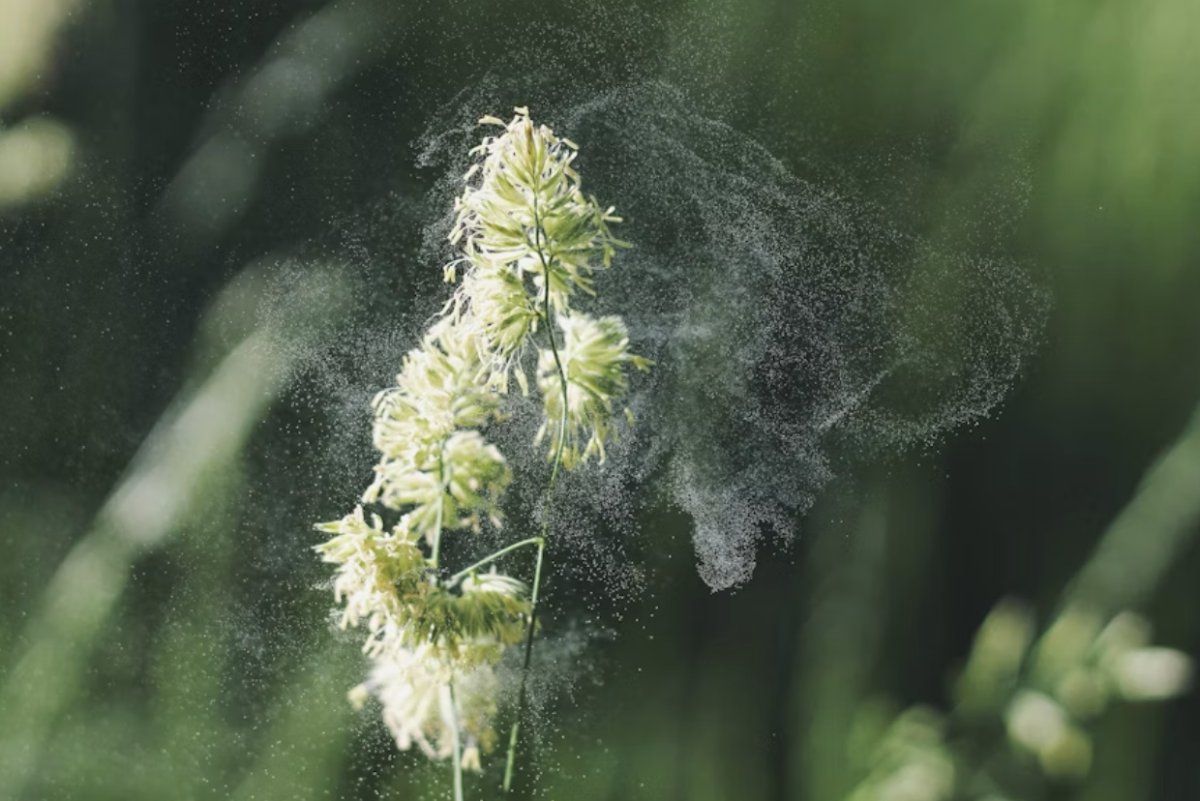
Pollen season occurs when plants release microscopic grains into the air to facilitate reproduction, typically spanning from spring through early fall. According to 2024 CDC data, approximately 25.2% of U.S. adults and 20.6% of children have been diagnosed with seasonal allergies, totaling over 80 million people nationwide. While essential for the environment, these allergens trigger immune responses in sensitive individuals, leading to allergic rhinitis symptoms such as persistent sneezing, nasal congestion and itchy/watery eyes. For many, this period also causes significant respiratory distress, including throat irritation and the worsening of asthma symptoms, a condition affecting over 28 million Americans.
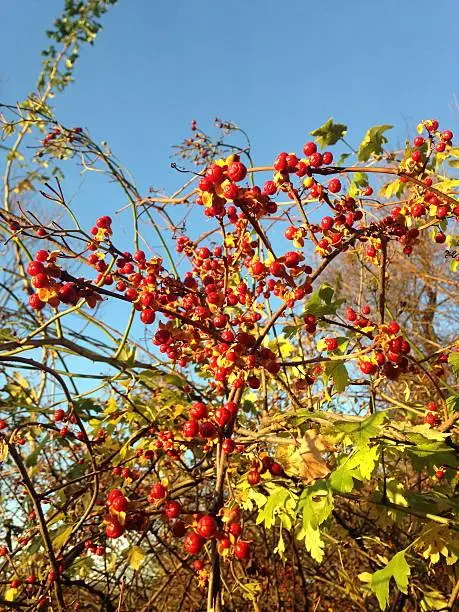
In the spring, trees release their pollen, while grasses become the primary source during the summer months. By fall, weeds, particularly ragweed, contribute significantly to the pollen in the air. The daily pollen count can vary depending on weather conditions, with warm, dry and windy days typically experiencing the highest levels.
A significant number of individuals are allergic to pollen, a condition commonly referred to as hay fever. When someone with this allergy inhales pollen, their immune system triggers a reaction. This can lead to symptoms such as sneezing, a runny or congested nose, itchy eyes and coughing. Additionally, some people may experience fatigue or difficulty concentrating due to their symptoms.
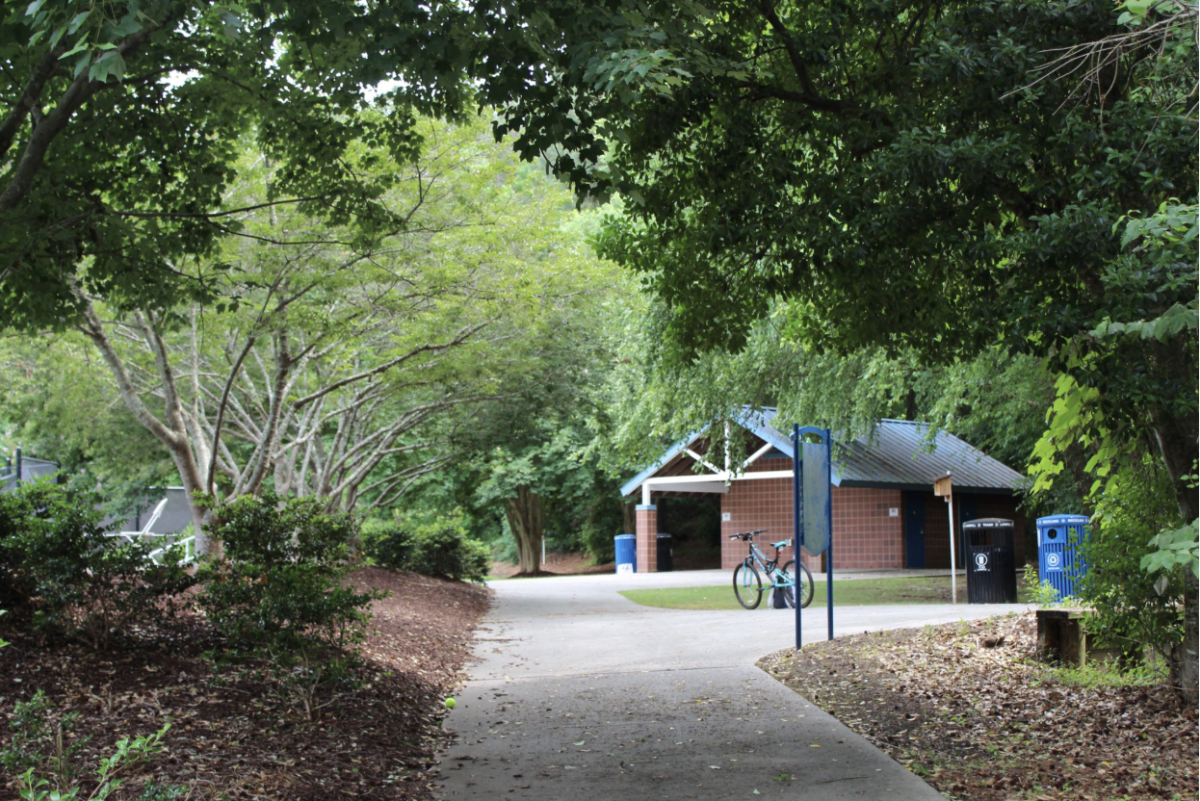
Pollen season represents numerous challenges for individuals with allergies. High pollen levels can restrict outdoor activities, such as sports or walks in the park. As a result, many individuals may feel forced to stay indoors during this time, limiting their outdoor time.
There are several strategies to minimize the impact of pollen. Individuals can monitor the daily pollen forecast to identify periods of high levels. Keeping windows closed and utilizing air conditioning can help prevent pollen from entering homes. Additionally, showering and changing clothes after spending time outdoors can effectively remove pollen from the body. Some individuals also choose to take allergy medications to help manage their symptoms.
Pollen season is an annual natural occurrence that poses challenges for many individuals. Understanding the timing of pollen release and enforcing effective management strategies are important for reducing its negative effects and encouraging overall comfort and health.