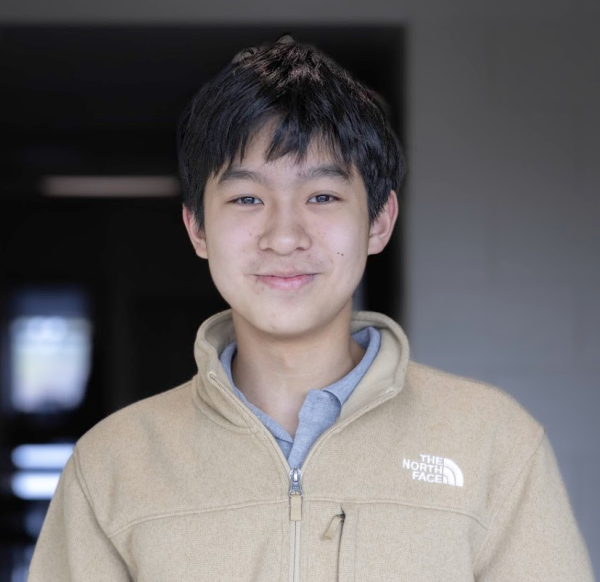


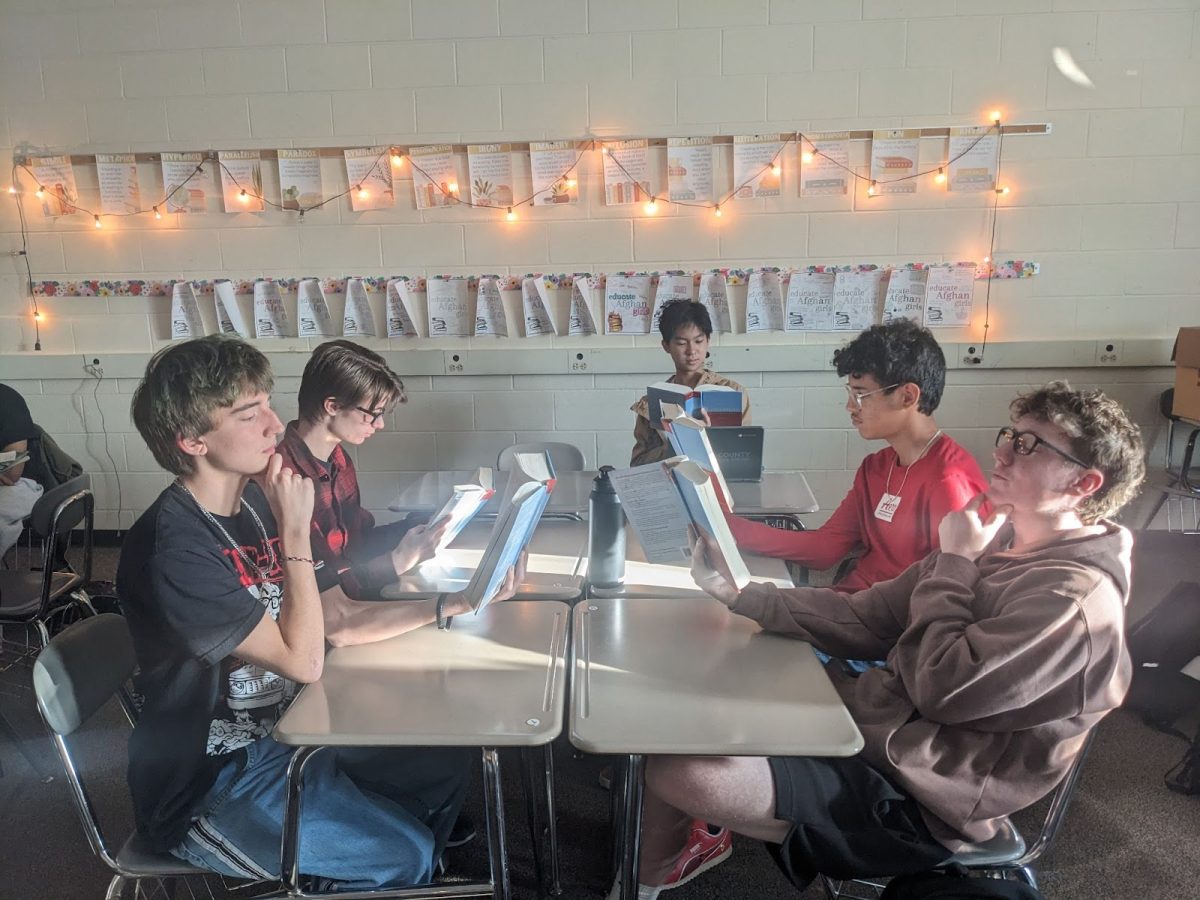
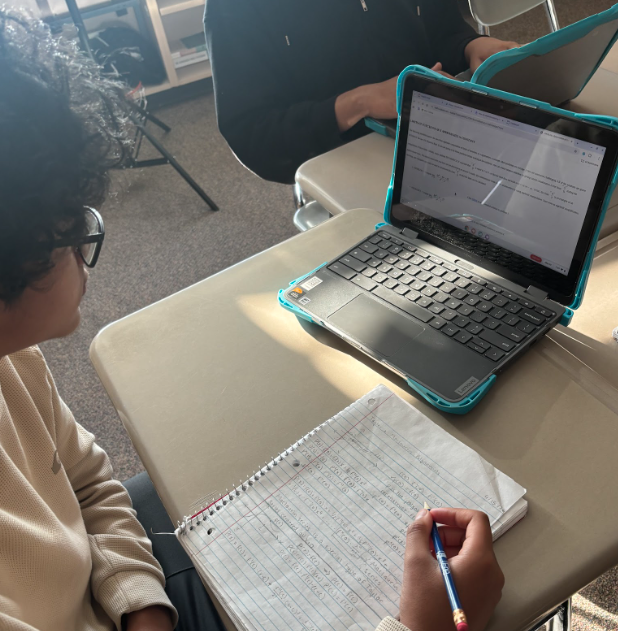

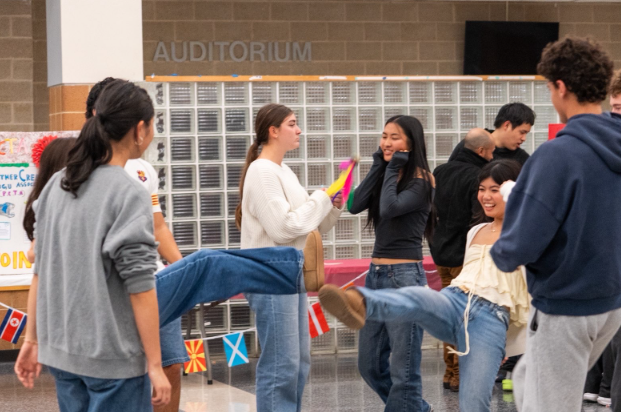
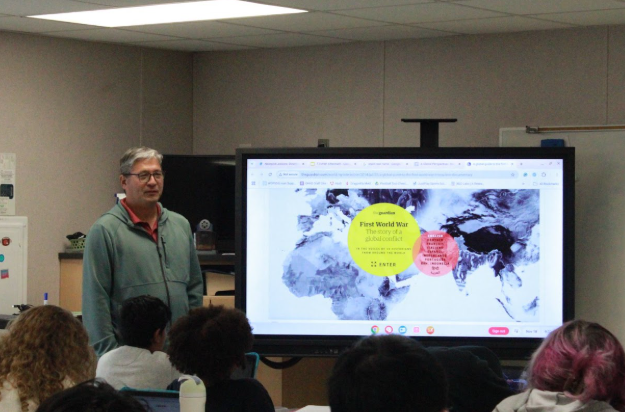









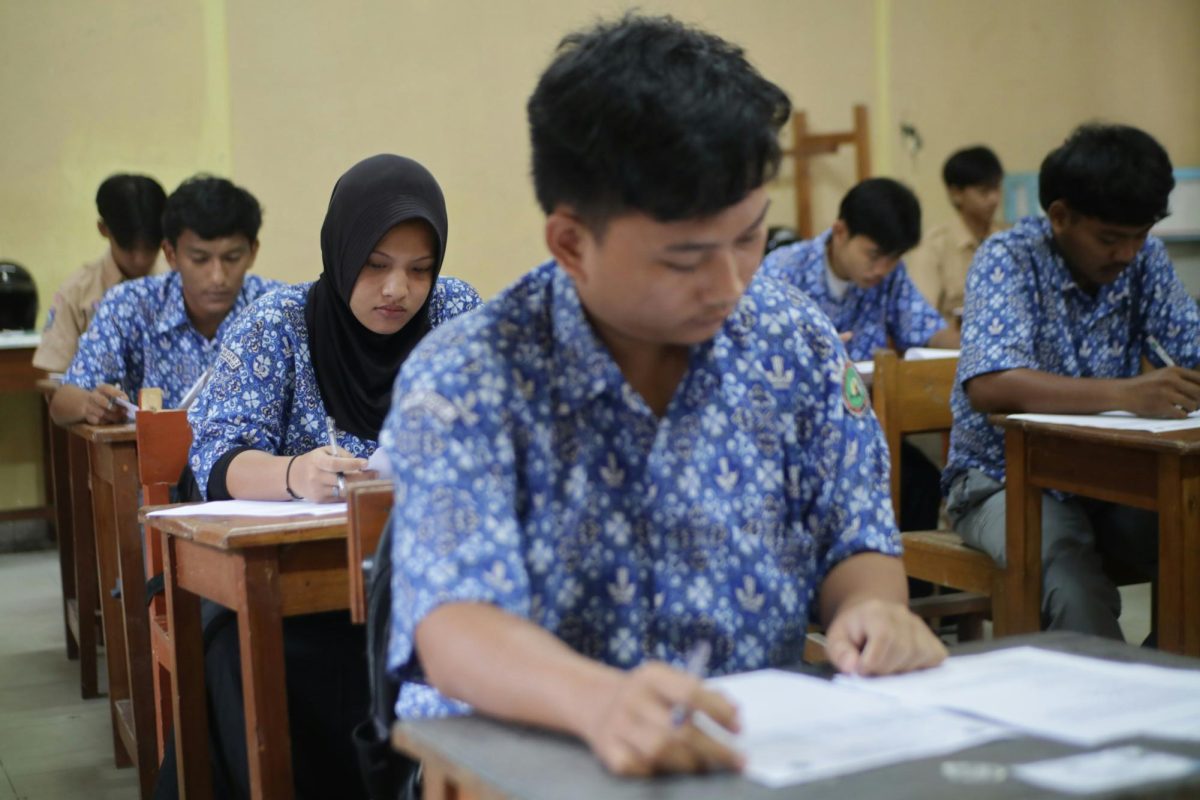


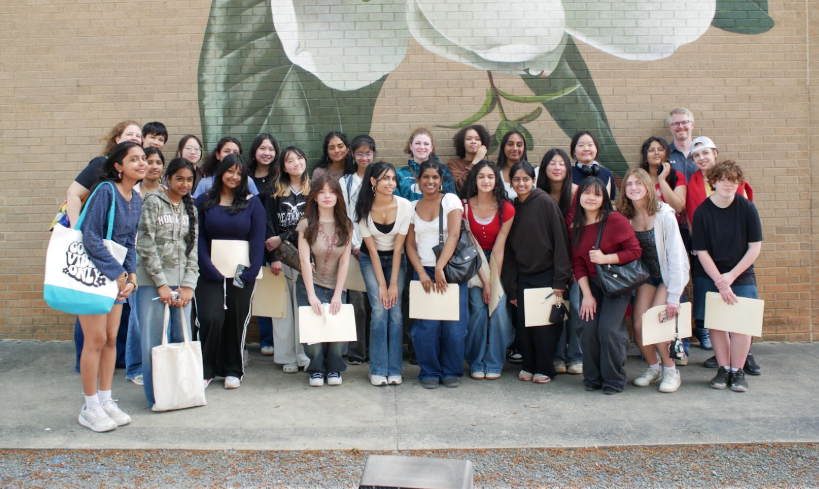
Inside a small classroom at Green Hope High School, a group of around 20 students in the Asian American Oral History Project (AAOHP) is tackling a narrative centuries in the making.
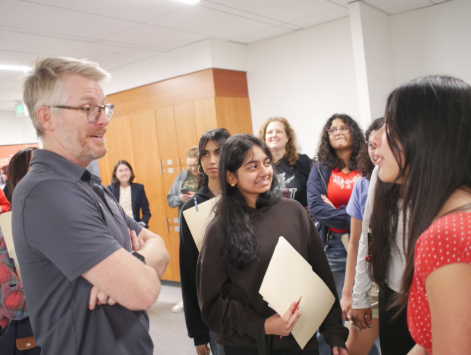
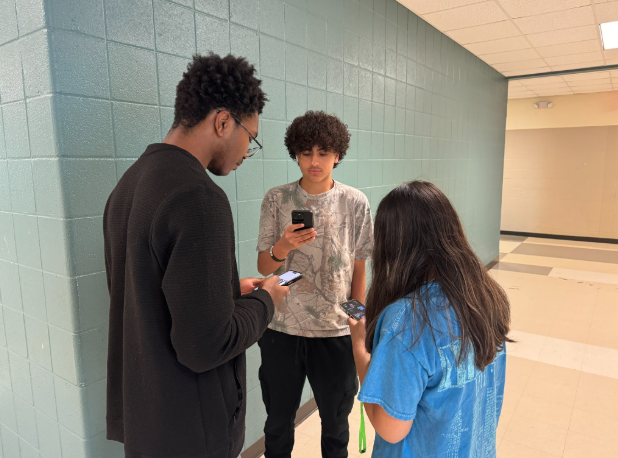
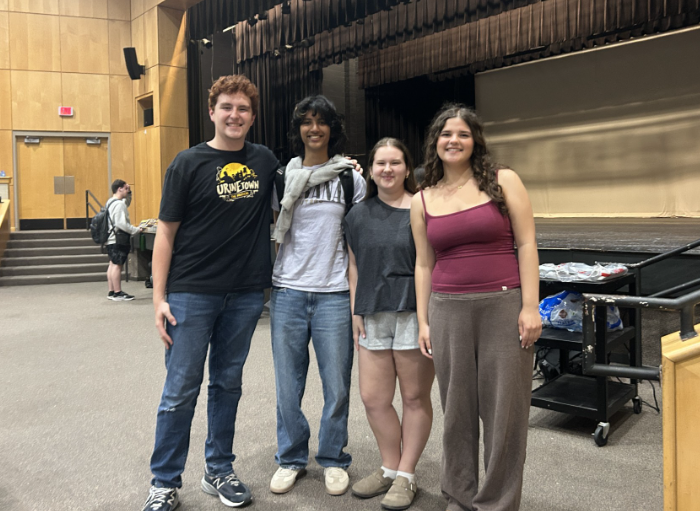
On Mar. 27, that mission moved from the classroom to the state capital. A specialized group of 27 students, a collaboration between the AAOHP and the GH art class, embarked on a field trip to the North Carolina State Archives and the North Carolina Museum of Art (NCMA) to bridge the gap between historical records and modern identity. The GH Falcon was granted exclusive access to witness this exchange, observing how a small cohort of students aimed to reflect a cultural legacy far larger than their numbers suggest.
The morning began at 8:30 a.m. as students loaded onto buses for the North Carolina State Archives. Supported by the Teaching America250 Award from the Jack Miller Center, the trip was provided entirely free of cost, ensuring that transportation and student lunches were not barriers to participation.
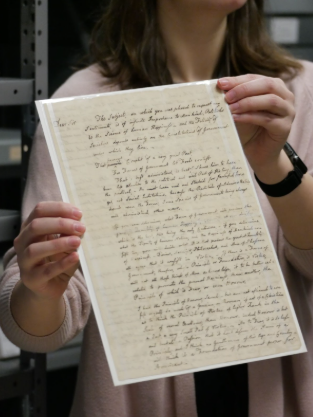
Once at the Archives, students were granted exclusive access to foundational documents that define the American experience, including the original Bill of Rights and a letter from George Washington. These artifacts served as the inspiration for the “Illuminating Ideals” project, which encourages students to think with the core principles such as liberty, equality and opportunity.
However, the mood among the students was one of deep curiosity as the archive guides also presented historical documents featuring political campaigns and immigration-related propaganda. For the members of the AAOHP, seeing how varied groups of Americans have historically established the founding ideals was a “sparkling” moment.
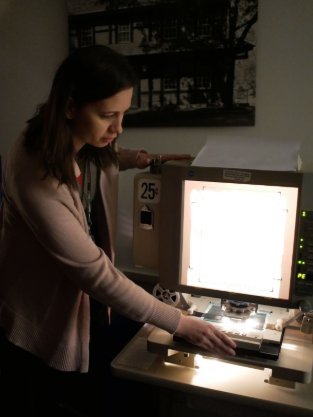
“The archive was to help gather that information,” one student observer noted, emphasizing how the harsh historical portrayals of immigrants sparked a need for a modern response. The goal of the collaboration, according to instructor Mr. Colin Richardson, was to empower AAOHP students to showcase their learning and spread cultural awareness through distinct forms of art.
By 11:30 a.m., following a brief headcount and a provided lunch at the museum, the group transitioned to the NCMA for a docent-led tour and a hands-on art collaboration. In the museum galleries, the students found a different kind of reflection, artworks by Asian Americans that celebrated culture rather than excluding it.
The 15 art students in attendance acted as the “visionaries,” constantly talking with the AAOHP students to ensure the history they studied in the morning was accurately represented in the afternoon’s session. This collaboration allowed for a unique creation of historical research and artistic expression.
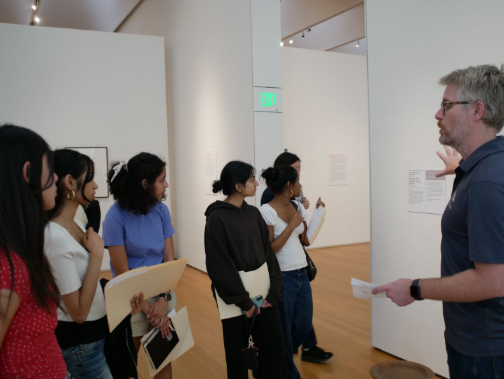
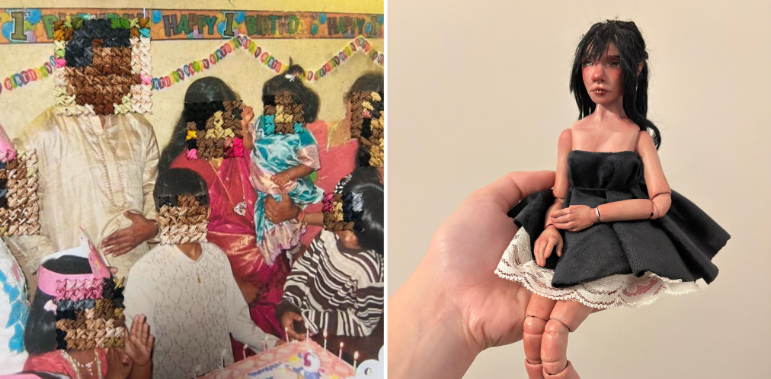
In one instance, a student discussed a plan to repurpose everyday items, specifically Chinese restaurant to-go boxes to create an art piece. The concept aims to turn a symbol of cultural consumption into a deeper statement on heritage, history, and the lived experience of the Asian American community.
The trip was made possible through the support of the NC Department of Natural and Cultural Resources, which opens its archives and museums to student groups free of charge. This access allowed the students to see first-hand the “self-evident” truths Jefferson wrote of 250 years ago and reflect on how those words are applied today.
Though the group returned to Green Hope High School by 2:00 p.m. for dismissal, the project is far from over. For these 27 students, the challenge remains to take the “unalienable rights” seen in the archives and the cultural richness seen in the museum to create something that speaks for a community far larger than a single high school club.
The resulting artwork will serve as a lens through which the Green Hope community can view the enduring legacy of America’s founding ideals.