



































































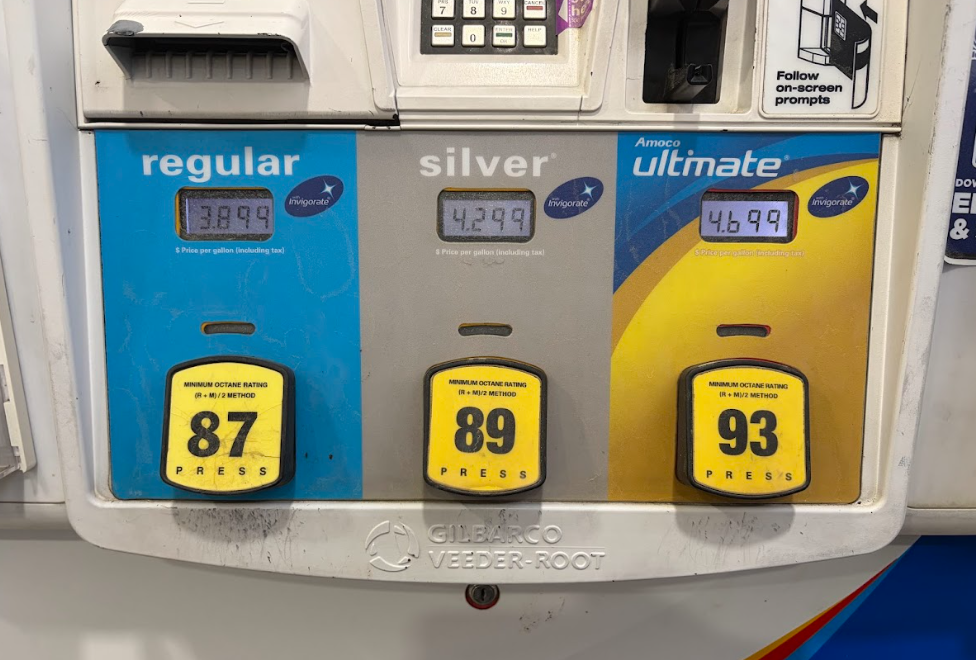
While the recent conflict between the United States, Israel and Iran has led to confusion and doubt about the state of the world and international relationships, it has created another issue that affects the everyday life of people across the United States. Gas prices across the country have risen to levels that haven’t been seen since Russia invaded Ukraine in 2022, and people across the country are paying more and more per gallon as the war rages on.
Before this conflict began, barrels were $70, which equated to about an average of $3.00 per gallon across the United States. However, since the beginning of the conflict, they have quickly risen to around $100 per barrel, skyrocketing gas prices up to a national average of $3.842 per gallon according to AAA fuel prices, with the East Coast having gas prices of $5.00 or more per gallon. But what is the specific reason for these increases?
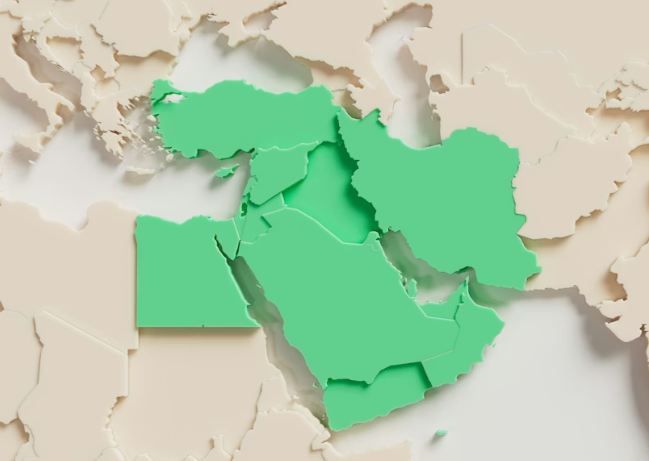
Seperating Iran, Oman and the United Arab Emirates in the Middle East is the Hormuz Strait, a waterway that is essential for the transportation of oil, serving as a passage for 20% of the world’s daily oil. However, the strait is controlled by Iran, and due to the war, it has effectively been shut down to Israeli- or American-associated transports for the time being.
The United States gets only a small portion of its oil from the Middle East, so why does the closing of the Hormuz Strait affect gas prices so much? Since the closure of the Strait to American and Israeli transportation, traffic has slowed substantially for all countries. This has led to rising gas prices in other countries as well, and oil prices function as a global economy. Therefore, even though the United States doesn’t receive much of its oil from the Middle East, it is still affected by the countries that do.
In addition to national prices being affected, drivers across the country are feeling the impacts as well. More than most are students who are paying for their own gas, relying on part-time jobs to pay. Dillon Tyndall, a senior at Green Hope, discussed the effects of the higher gas prices on his travel. “The rising gas prices have made me more aware of how much I’m spending as a student paying for it myself,” he stated, “Even though my travel habits have stayed the same, I pay closer attention to gas prices and where I fill up. The higher costs haven’t changed how much I drive, but they’ve definitely made me more conscious of my budget.”
Even among adults, the prices are affecting where and how often they drive. Electric vehicles are becoming more and more ideal while the gas prices remain high, as an EV user attested to. “Our family has both an electric vehicle and a gas vehicle. While we typically split our time between EV and gas, we’re mostly relying on the EV, given the current prices and situation,” they stated. They also stated that for the time being, the EV would remain the most-used vehicle for the family for the foreseeable future, until gas prices began to decline.
While the war with Iran continues, the gas prices rise with it. As gas becomes a key factor in budgeting, EV’s become more popular, and gas prices across the globe rise, the immediate and long-term future of prices remains unclear.