








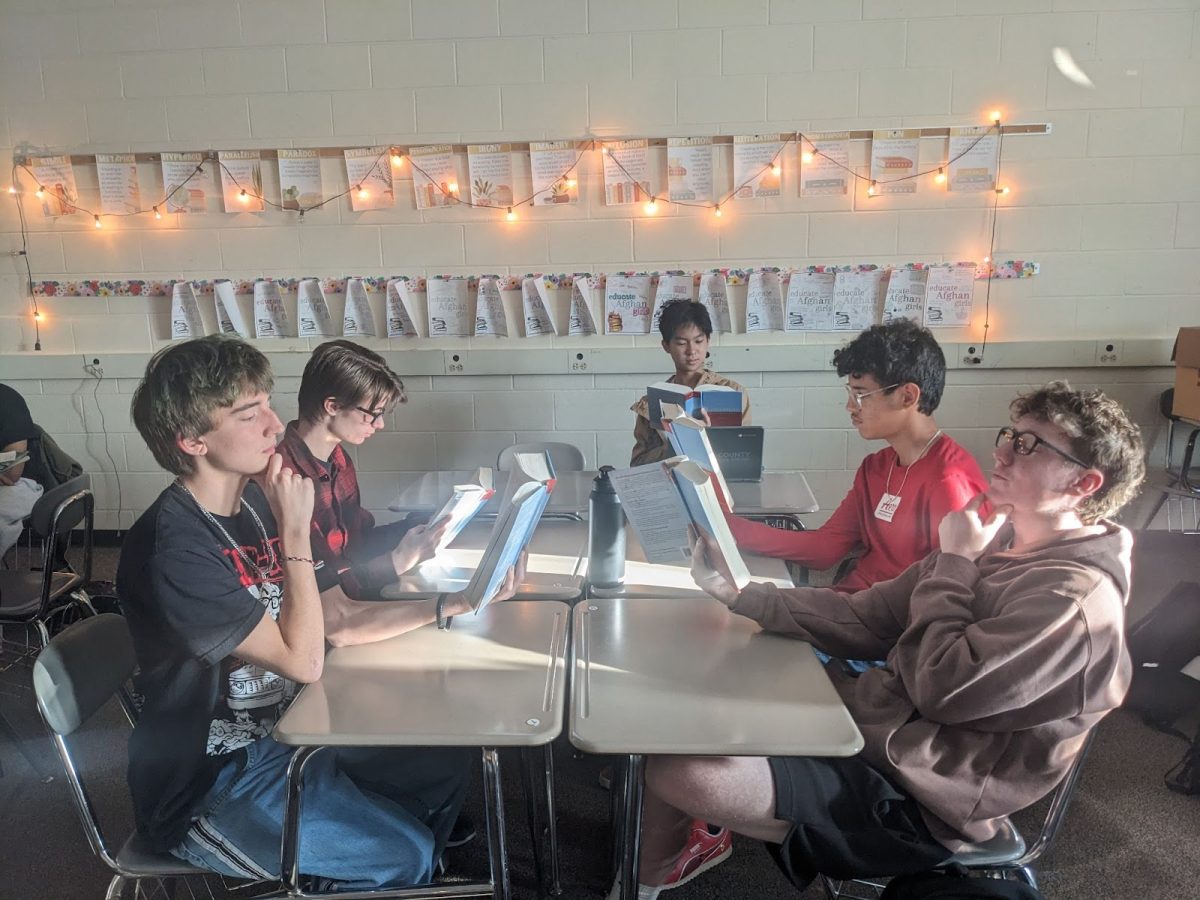




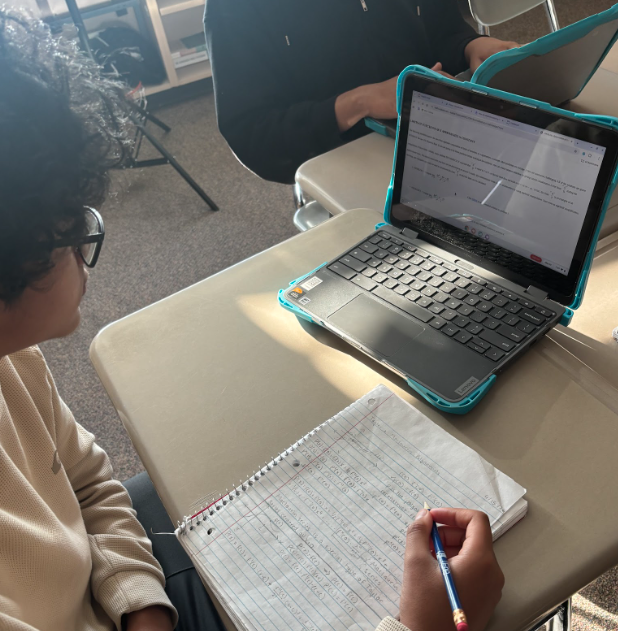
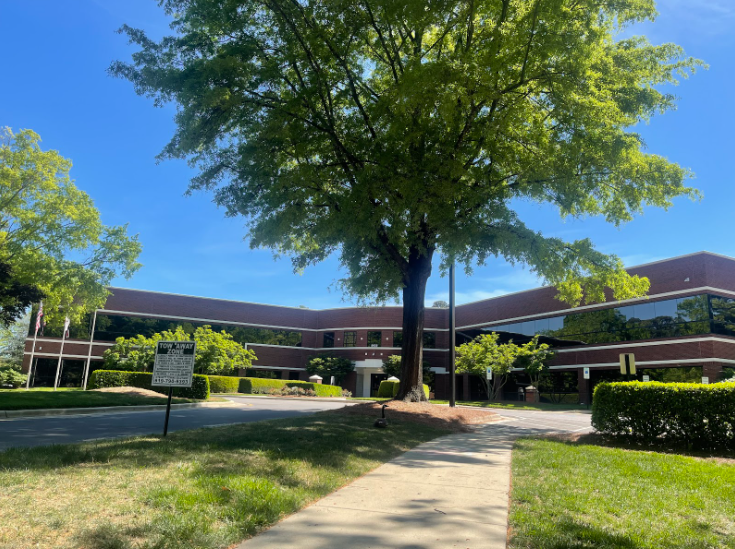






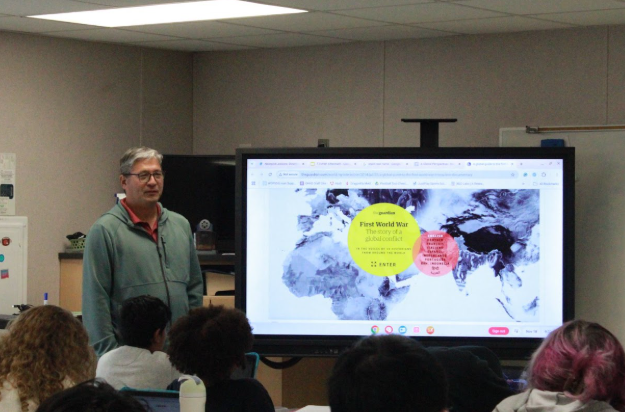


























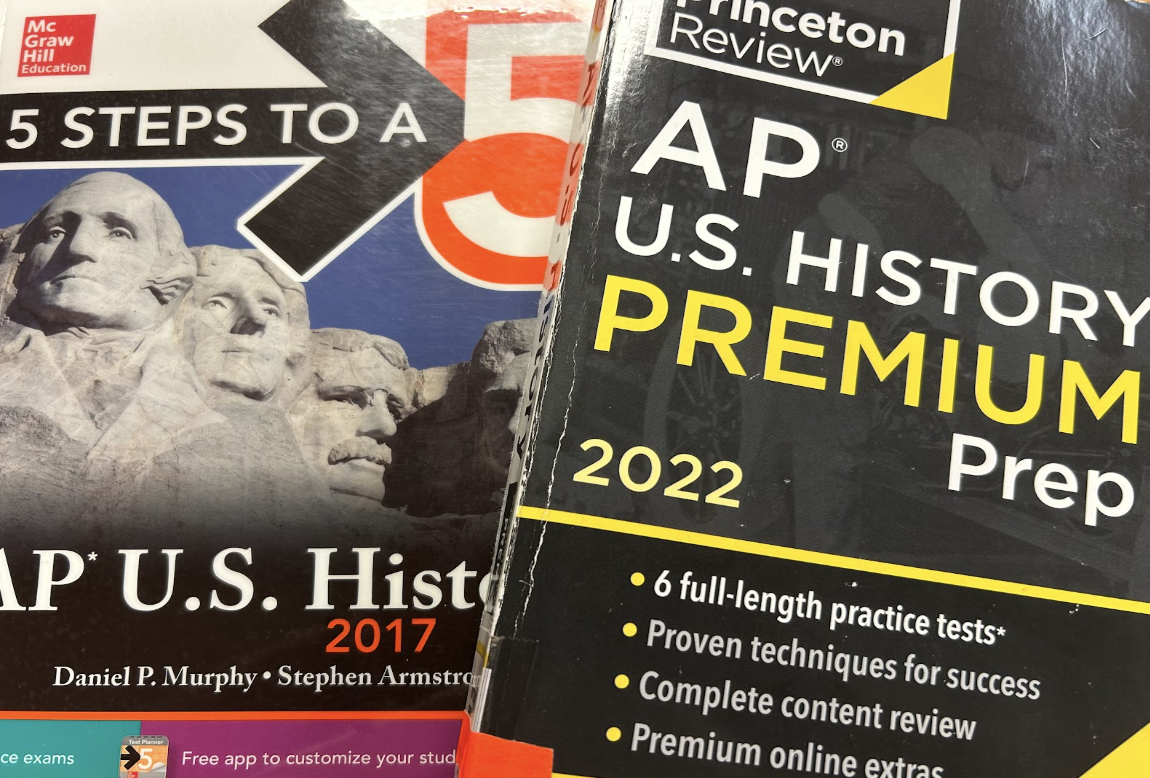
When choosing which classes to take for the Junior year at Green Hope High School, the social studies curriculum has a requirement of either American History or AP U.S. History. The difference in classes mainly center around depth and timelines, but apart from that, the general content remains the same. However, when rising juniors were surveyed on which class they were going to take next year, the majority of responses averaged with, “I would never take APUSH.” With the vast differences in responses towards the class, the GH Falcon sat down with APUSH teachers to analyze the class’s bad reputation, and why it is so “scary.”
AP U.S. History is a college level class at Green Hope High School taught by Colin Richardson and James Hutchison that covers material dating back from pre-contact to the Americas and Washington’s presidency to today. This is in comparison to American History, which is an academic and honors class that only covers material from Washington’s presidency to today at a smaller depth. When the teachers were asked what makes APUSH so hard, Richardson stated, “AP U.S. History is a challenging class for high school students. AP US History covers the same scope of a high school course but in much greater depth. It combines two college level classes into one high school semester.” This combination of high school and college work adds to the scare factor of the class, discouraging students from wanting to take it.
Along with the different class levels, the effort and work that one has to put in for APUSH varies greatly from its alternative. According to Hutchison, he stated, “We do a lot of document based things, so a lot of primary and secondary sources. It is about making historical arguments rather than memorization, so we do move fast, and we do have high expectations… we are asking people to think, and thinking is not easy.” Because the workload calls for more endeavour and exertion, the class admittedly becomes one of the more difficult courses in Green Hope.
In addition to its hardship, its average AP exam score reflects the strain the class has on the students. Before the 2024 grade recalibration, where AP exams were adjusted to help kids get the best grades possible, the class had a 6-year streak of scoring below 3’s (60%) on the exam.
So, how can a student combat this reputation if they take the class? One way they can excel when taking the class is by following the class schedule both teachers have posted, building study sessions, readings and work time around it. The timeline helps the kids know when certain materials are coming up, and once the flow of the class is achieved, the concepts become easier throughout the semester.
Additionally, both teachers are open to questions and helping if one is concerned. Hutchison added, “If you worry about the class, talk to one of us; we’re friendly and approachable. And I feel like you do get something out of this class.” This statement rejects the hostile stereotype because while APUSH is still considered difficult, there are many ways to push through and do well in the class.
In the end, APUSH is truthfully a difficult course when workload and mental strain is taken into consideration. The class carries a bad reputation for hard, lengthy college material, leading to a debate between American History or the infamous APUSH. However, the teachers give opportunities for students to perform the best they can under difficult circumstances. Despite its notorious nature, taking APUSH is worth it, leaving kids with valuable information and analytical skills that will be beneficial in the long run.