








































































For many teens, getting a permit or license is a major milestone. The ability to drive alone creates more opportunities, from hanging out with friends to getting part-time jobs. However, this freedom also brings a significant amount of responsibility that many teens overlook.
On Feb 28, 1935, the General Assembly passed the Universal Driver’s License Act, requiring all motor vehicle operators to be at least 16 years of age. 13 years after the 1935 act was passed, a new rule was enforced, stating that all drivers must take a license exam. In the winter of 1997, North Carolina implemented a mandatory three-step Graduated Driving License (GDL) program to address the high teen crash rates. The UNC Highway Research Center found that teens were 38% less likely to get into a crash through this program, and fatal crashes went down to 46%.
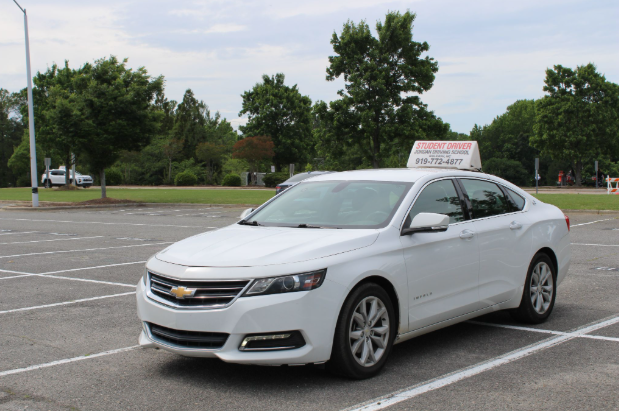
The GDL program in North Carolina requires teen drivers, between the ages of 15 and 17, to follow the requirements to gain necessary experience behind the wheel. To get a Level One Limited Learner Permit, teens must complete an approved driver education course through their school or a private provider. To enroll, they must be 14.5 years of age and have a valid passport or birth certificate. The course consists of two parts: 30 hours of instructional time with a vision test, and six hours of behind-the-wheel training. After both sections are completed, students in good academic standing will be issued a Driver Eligibility Certificate and a Driver’s Education Certificate. Once they become 15 years of age, teens can book an appointment with the DMV to take the Level One Limited Learner Permit Test, which involves written, vision and sign tests.
Upon completion of the test, a permit will be issued and mailed within 10-15 business days. Teens can then start driving with a supervising driver over the age of 21. For the first six months, level one permit holders can only drive between 5 AM and 9 PM. They are also required to drive 60 hours, including 10 at night. After nine months, teens who are 16-17 years old can apply for their Level Two Limited Provisional License. During this exam, teens take a driving test. If passed, they can drive alone between 5 AM and 9 PM with one other person under 21 in the car. After six months, teens can enter the final stage. If they have no convictions or infractions, teens can get their Level 3 Full Provisional License online or in person. All passenger and nighttime restrictions are lifted, but teenagers are still prohibited from using their phones for GPS or music. When they turn 18, their provisional license will become a regular Class C license.
Despite this program, many parents are still skeptical about letting their kids drive. Abby Mangee, a freshman at Green Hope, said, “My parents don’t show it, but I know they are scared about me driving. I don’t really understand why. I think I’m a safe driver.” Her perspective is a common belief among many teenagers when they start driving. While teens may feel in control and confident, they are still gaining experience behind the wheel; safe driving happens only from the knowledge they acquire.
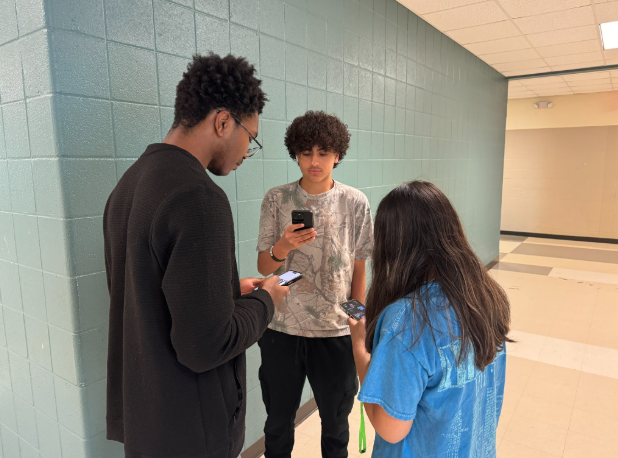
Jerry Sarchet is a world history teacher who also instructs the behind-the-wheel portion of the driver education course teens are required to take through Green Hope. He shared that one of the biggest challenges students face is staying focused, stating, “Teenagers today live in a world where their phone is their emotional support device. They feel like they have to check it right away, and when driving, they become distracted.”
The constant connection the teens have to their phones is extremely dangerous. News In Health did a study on new teen drivers and found that they are eight times more likely to crash when calling someone, and four times more likely to crash when texting. This behavior is increasingly risky as many teens rely on their car’s automatic features to get to their destination safely, but they don’t realize that they still need to stay alert for the entire ride.
In addition to distractions, teens also struggle to predict what other cars will do. As Sarchet says, “not anticipating” is one of the most common mistakes he sees his students make, along with braking too hard and accelerating too quickly. He also noticed that many teens assume that “the other driver will make up for their error.”
Even though the basic maneuvers and methods of driving have not changed noticeably over the years, many teens face new challenges now more than ever. Having to ignore the calls, texts and updates when on the road is extremely hard, and some can’t resist the urge. Paired with the inexperience, it can make driving harder than it should be.
Most teens want to be safe drivers, but learning to drive is a process that takes months of practice and patience. However, understanding the risks and driving with intention on every move you make can help teens become safer, stronger drivers over time.