






































Of the 3.14% of applicants who were admitted to the California Institute of Technology (Caltech) class of 2027, 45% published research. This statistic represents a rising trend for high school students to conduct research to obtain admittance to prestigious institutions, but doing this research is often difficult or nearly impossible for high school students, typically due to the time commitment and lack of guidance. Luckily, the Duke Summer Training in Academic Research (STAR) Program is one solution that allows high school students to do research with designated time and assistance from seasoned professionals.
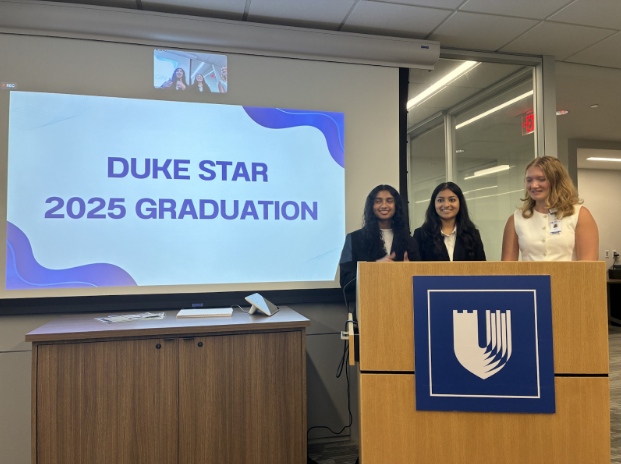
Duke STAR is a selective and prestigious summer program that high school, college and medical school students can apply to and attend. During the program, students get paired with staff mentors and create a hypothesis relating to a specific medication that they can research together. What makes the program unique is that it grants students the opportunity to actually publish peer-reviewed research in an academic journal with backing from Duke researchers.
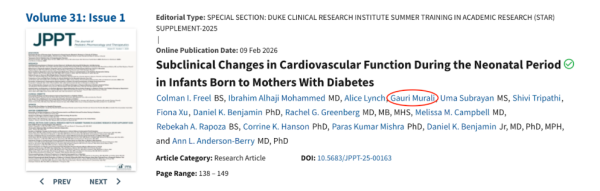
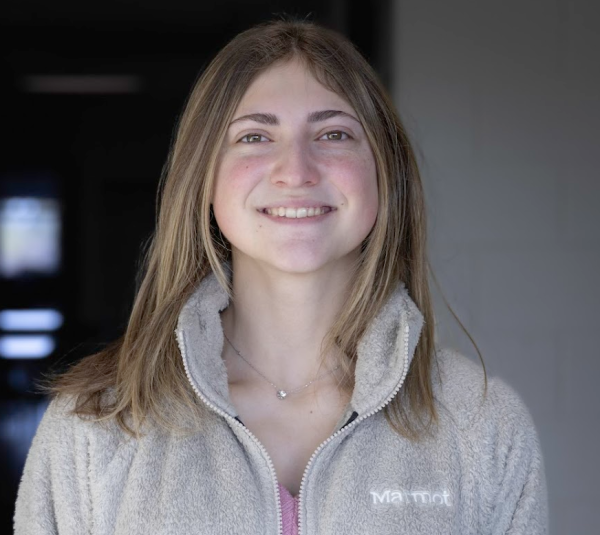
Green Hope student Gauri Murali (‘26) attended the program last summer. She conducted research on how a mother with diabetes would impact their baby’s cardiovascular system. Her 11-page research article, titled “Subclinical Changes in Cardiovascular Function During the Neonatal Period in Infants Born to Mothers With Diabetes,” was recently published in the Journal of Pediatric Pharmacology and Therapeutics. Murali worked with a physician scientist who had already conducted the field research, which allowed her to synthesize the results. “We were more analyzing the data and running it through formulas and all of that stuff like the statistics,” she shared. “And then we actually wrote the paper, so we had to interpret the results and discuss them.”
All attendees learn about how to conduct medical research. They create a literature review, describe their research question and formulate a thesis. Additionally, the program helps aspiring researchers learn about how to represent their future research through a methods section, tables, results and discussion. Being able to actually write the article themselves helps high school students to take the results that they have helped gather and apply them to create conclusions. These conclusions are the parts of research papers that can be applied to real-life cases.
The program’s hands-on format prepares students for further work and teaches them about the research process, but it also teaches them about another side of research. “I learned that it impacts a lot of people. It’s not just science,” Murali noted. “It impacts all these mothers who have diabetes.” Research is how scientific innovation is created, how new scientific discoveries are found. These discoveries can impact people’s lives for the better and create a world more attuned to them.
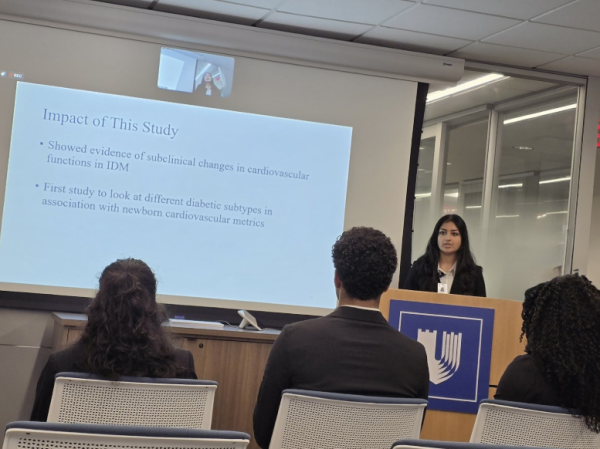
In terms of what her research actually found, Murali found that “type one and type two diabetes had a greater effect on babies’ cardiovascular systems than gestational diabetes.” In the future, doctors can use this research to prepare for potential complications or future health problems during birth. If a child comes into their office with trouble breathing and has a mother with type one or type two diabetes, a doctor would be able to more easily recognize a potential cause using Murali’s research.
While Murali learned from the research portion of the program, she also learned from the wide variety of people she met and the mentorship she received. Participants ranged from being in high school to being in medical school and ranged in age from about 15 to 20. “I got to learn a lot of perspectives from people who have had different lives and were at different points in their lives,” she shared. “It was really a mix.” Students hailed from all different parts of the country, some being from Duke University, and some coming all the way from Montana University.
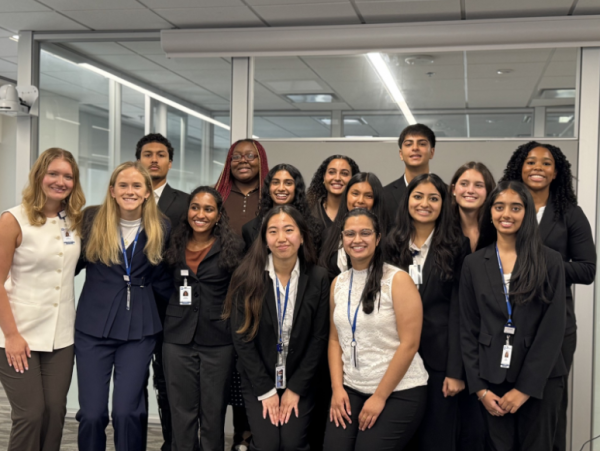
Murali noted that the mentorship she received was also a highlight of the program: “I also learned a lot of leadership skills because we are working with amazing physicians, amazing scientists and they got to where they are with a lot of work, so I really learned a lot about leadership from them.” The program’s mentors are seasoned researchers and professors at Duke University with over 200 combined research articles published. They provide frequent feedback and help the students throughout the research process, giving students an opportunity to take a closer look at their profession through a supportive lens.
The experience was a potential beginning to a career in the research field. Murali learned about the research process, how it impacts people and from other students. At the end of the program, Murali learned about medical ethics and responsible conduct of research, more ready than ever before to go into the field she wants. Next year, when she goes to college, there is no doubt that Murali will use the skills she learned through the Duke STAR Program.