




























Paris Fashion Week 2026 highlighted the growing importance of materials in shaping modern fashion, with designers using fabric choices to express mood, identity and intention. Rather than focusing solely on silhouettes or visual impact, this season emphasized how garments feel and what they should communicate, placing texture and competition at the center of design.
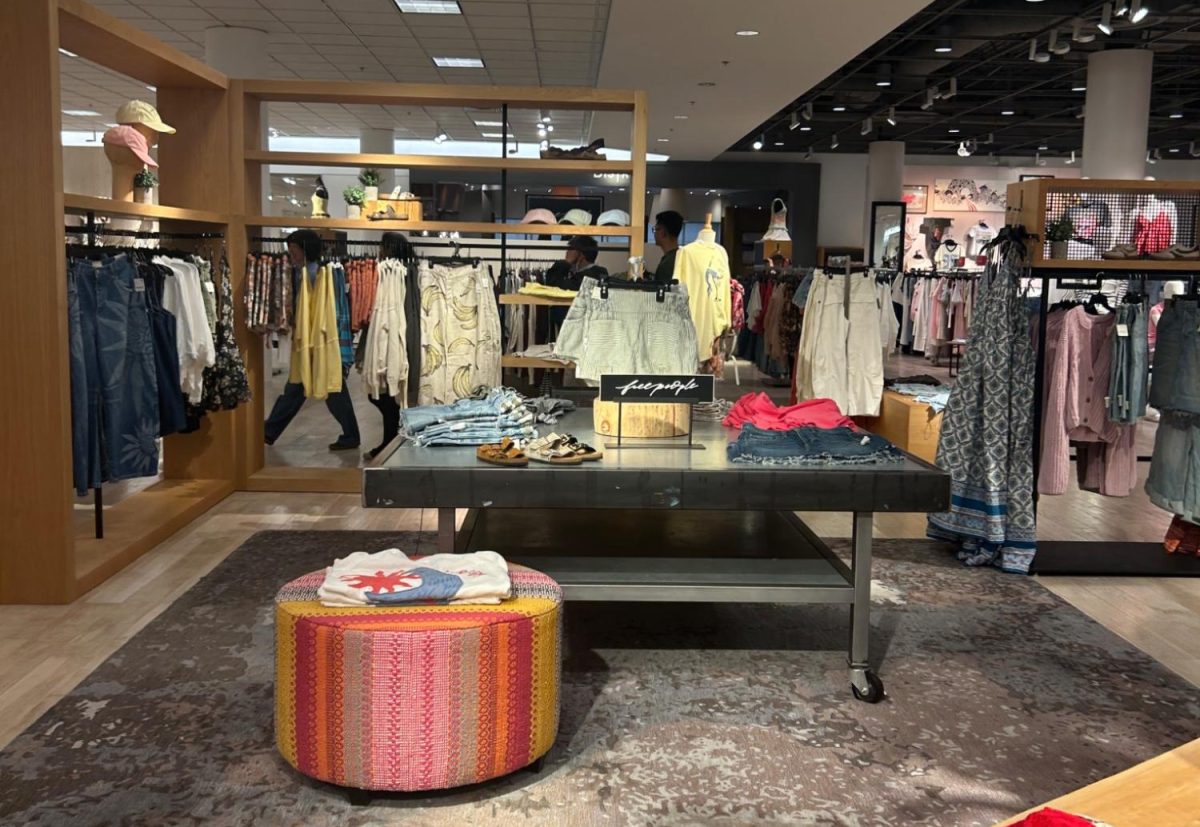
One of the most noticeable shifts was the return of rich, tactile fabrics. Materials such as velvet, wool, lace and embroidery appeared frequently, often combined with lighter textiles like organza and sheer mesh. This contrast created garments that felt layered and multidimensional, encouraging a more engaged way of viewing fashion. As trend analysts observed, “texture has replaced flat minimalism for good,” signaling a move away from overly simple designs towards pieces with greater depth and character.
Transparency also played a key role throughout the collections. Sheer fabrics, including chiffon, lace and mesh, were often layered over structured outerwear and heavier knits, creating a balance between softness and structure. By mixing different fabrics, designers found a way to make outfits feel both fragile and blank at the same time. Incorporating bold materials like latex and PVC into dresses and coats gave the collections a daring, futuristic vibe that pushed the boundaries of modern style.
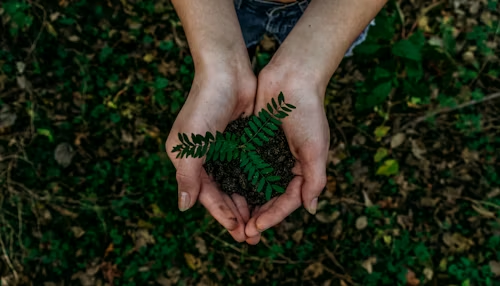
Sustainability was present in a more subtle but significant way. Several designers incorporated eco-conscious materials and processes, including upcycled fabrics and environmentally responsible printing techniques. These choices reflect a broader shift within the industry, where sustainability is becoming integrated into design rather than treated as a separate concept.
Designers also offered insight into their creative approach to materials. Mattieu Blazy of Chanel described fashion as “both caterpillar and butterfly… we need dresses that crawl and dresses that fly,” highlighting the balance between practicality and artist expression seen across the season. In addition, several collections incorporated natural influences, including moss-inspired textures and organic elements, suggesting a growing interest in reconnecting fashion with the environment.
Overall, Paris Fashion Week 2026 demonstrated that materials are no longer just a foundation for design but a central form of expression. Through texture, transparency and thoughtful innovation, designers created collections that felt intentional and progressive. As these approaches continue to develop, they are likely to influence how future collections balance creativity with responsibility. The season ultimately reinforced the idea that what a garment is made from can be just as meaningful as how it looks, marking a continued shift in the way fashion communicates with its audience.