






































































A day to be green. That’s at least what St. Patrick’s day used to be. Now it’s no different than any other day, just with a special name. The celebratory tradition of St. Patrick is growing dull. Even the rainbows don’t seem to gleam like they once did, and it’s rare to see a person wear more than a green shirt in revelry. This begs the question, is St. Patrick’s day still relevant?
The holiday started as a way to pronounce christianity’s arrival in Ireland; only later did it devolve into pots of gold and leprechauns. Still, those pots of gold captured the attention of many, whether because it was something to do or a remembrance of old traditions. But, even traditions die out and become nothing more than humble memories eventually. That seems to be the case for St. Patrick’s day.
The holiday is only a holiday in name. Sure some celebrate it, and it is nationally recognized, but the day itself holds little power over most lives. Its importance lies within the Irish, making the day irrelevant to others. Because of this, a majority of people who celebrate the day take away from its true meaning, and only focus on the trendy aspect of it. They forget the purpose of St. Patrick’s Day and only care about mystical creatures who were never a part of the original celebration.
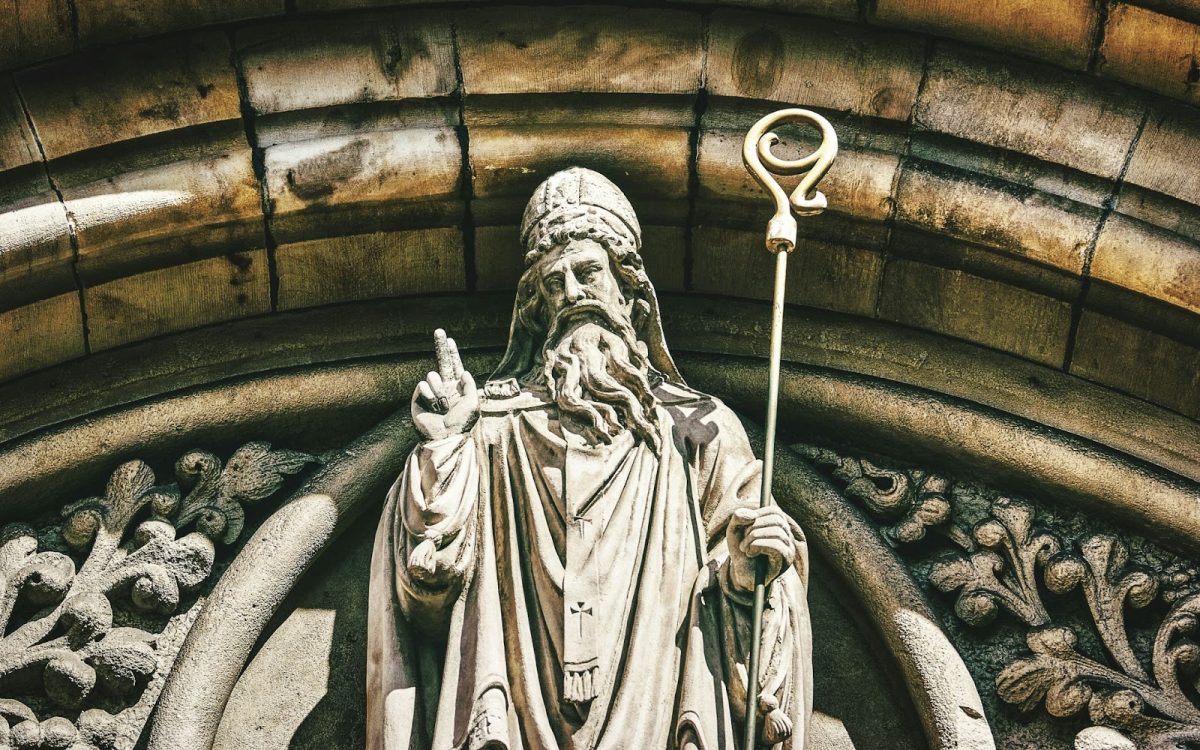
St. Patrick’s Day is supposed to be about celebrating Saint Patrick and his bringing of Christianity to Ireland, but the holiday today does little to reflect that. The way a vital piece of history is being transformed from something meaningful to something trendy has done irreparable damage to the day’s true intent. The Americanization of Saint Patrick has wrought the portrayal of Irish citizens into fun-loving, green leprechauns which isn’t true to the reality of them at all.
America is no stranger when it comes to integrating foreign holidays into its calendars, for example Cinco de Mayo or Groundhog day, so St. Patrick’s day is no shock. When the Irish first arrived in America they faced many hardships, such as the alienation of their races, so, how the holiday became such a big event in America can raise a few questions. The truth of the matter is the day took shape in Boston and only became its signature green because of some Irish redcoats who marched through the city. For the Irish, St. Patrick’s day is something holy and sacred, so the transformation of it can be seen as extreme.
The fact is, the holiday today is vastly different from the original. It is rare to see someone, at least in America, truly celebrate Saint Patrick for what he is. Today when someone commemorates the day outside of Ireland, it is usually a watered down version. The version of gold pots and leprechauns is easy to understand and can be celebrated by anyone without having to honor the authenticity of Saint Patrick, but is not true to its original form.
So, when asking if St. Patrick is still relevant today, the short answer is no. The average person who celebrates today likely doesn’t know the feats of the real Saint Patrick and pictures four-leaf clovers and rainbows. Outside of Ireland, the day doesn’t hold much meaning other than an excuse to hold another party and push consumeristic products.