




























































Whenever you fill your water bottle in Wake County, you’re drinking more than just water. The 9,300 square miles of water from the Cape Fear River basin is a water system that has also served as a garbage can for companies’ industrial waste. These “forever chemicals” (PFAS) are especially hard to break down, staying inside water, food and our bodies.
Where the pollution starts
Tributaries bring the waste into the larger river system.
- Source: The Haw River brings industrial waste from Greensboro and Burlington, resting in Jordan Lake – providing water for Cary, Apex and Morrisville
- Further down the river, Chemours pollutes the river on the outskirts of Fayetteville. Releasing chemicals such as “Gen X” since the 80’s.
- Why: Rivers were the cheapest way to dispose of waste for companies before environmental regulations were established.
Hidden from the people
Information about the pollution was withheld from the public until 2017. While filters were previously in place, they could not eliminate the chemicals due to their tiny size. Invading people’s bodies and compromising their health.
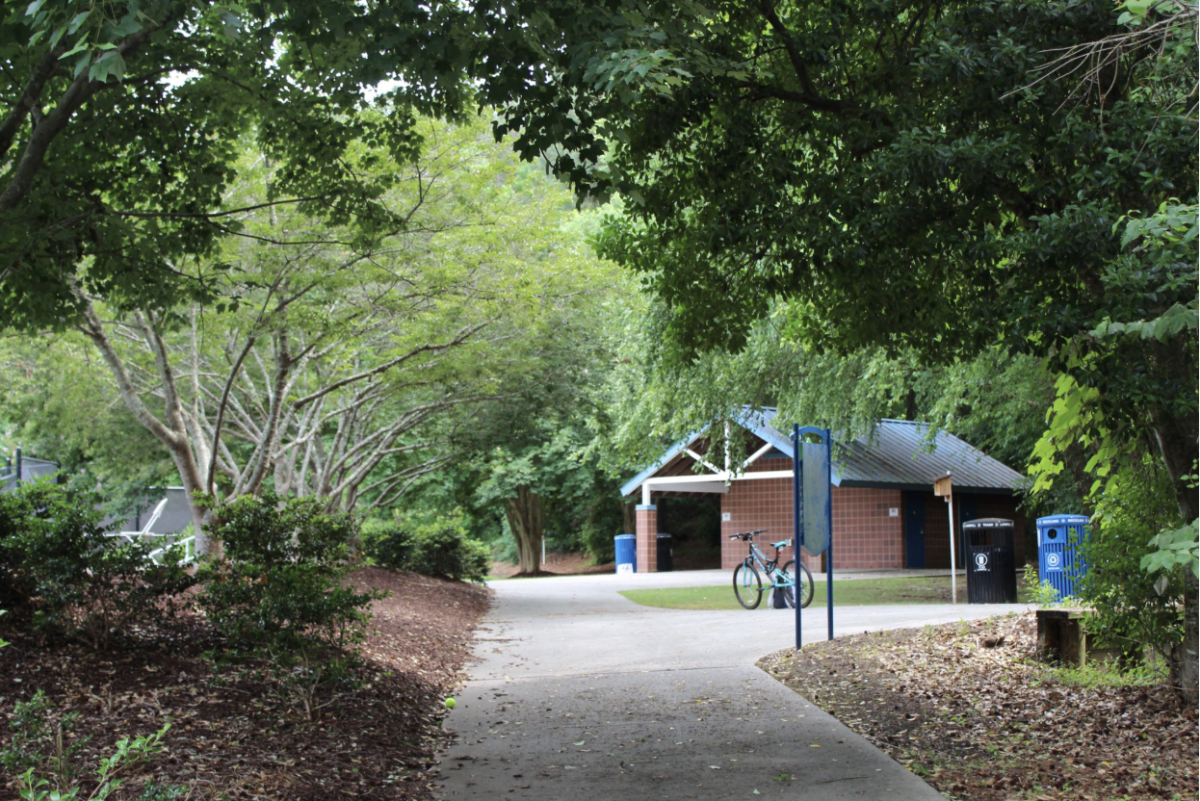
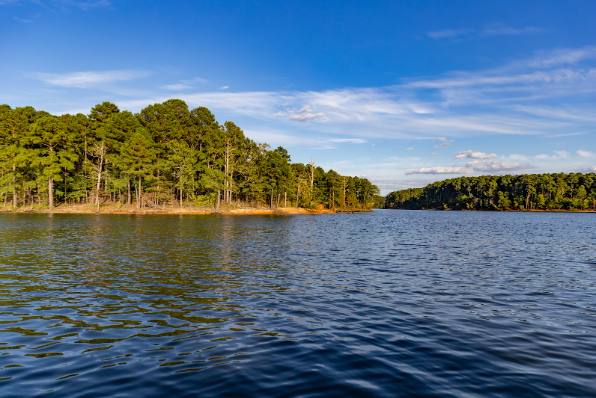
Jordan Lake is part of the Cape Fear River basin and was found to contain traces of Gen X “PFAS” in 2017. It is the drinking source for the Triangle area, photo taken by Owen Gouthro.
Entering the body
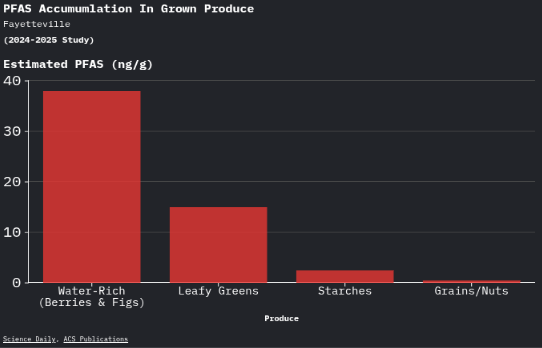
PFAS (per / polyfluoroalkyl) will bind to the proteins within the blood and remain there for months to years. Being linked to a suppressed immune system and endocrine disorders.
- Blueberry test: A 2024 NC State study discovered that water-intensive crops act as chemical sponges. The highest concentrations were found in blueberries and figs.
- Risk: For children, consuming ten blueberries grown in contaminated water is equal to drinking one liter of contaminated water.
Housing
North Carolina’s population growth is assisted by lower housing prices, which are in part due to the water issues in certain areas.
A resident’s perspective: Karen Dawson (‘42) bought a home with her husband near the Chemours plant in Fayetteville in 2009 for $600k, roughly 30% cheaper than similar homes elsewhere.
“Normally, a home of this size would easily clear for a million,” Dawson says, “The weird thing is the property value has been increasing more slowly than the average since 2009.”
Filtration Tax
Utility bills are notably higher due to cities spending more on facilities for advanced filtration.
- Ineffective tech: Filters are not reliable enough to ensure chemicals are removed. Leaving residents to find alternative sources of water.
- Trade off: Low mortgage rates in places with polluted water are canceled out by the constant purchase of bottled water or personal filters.
Funding Gap
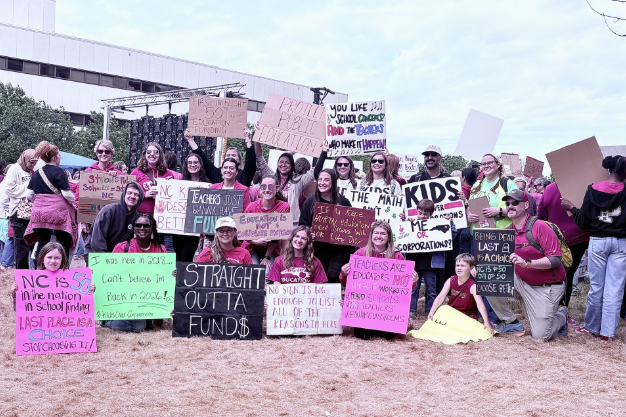
The state has shifted towards water safety, but the demand outweighs the supplies. The NC DEQ has noted a 1.4 billion dollar loss in funding for 2026.
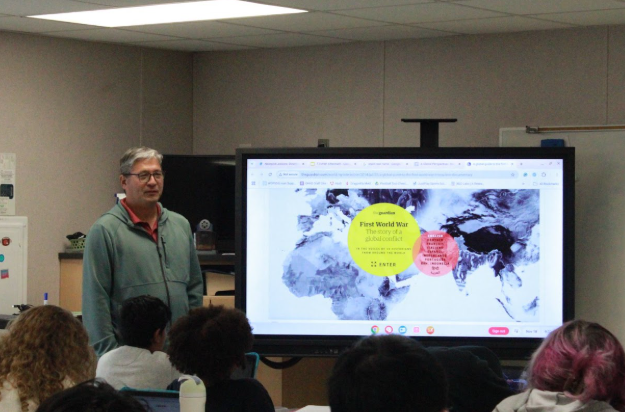
- Cuts: Mr. Rush, an AP Environmental Science teacher at Green Hope High, noted the lack of support. “The federal government has cut the state’s funding for resolving the water issue.”
- Unfunded Mandates: The EPA requires filtration facilities to be built without federal dollars; cities rely on taxpayers for their construction and funding.
Bottom Line: Clean water should be guaranteed to all. Health should not be forfeited in exchange for affordability.