
























































Twice a year, people across the United States change their clocks for Daylight Saving Time (DST). In the spring, the clocks “spring forward” by one hour, and in the fall they “fall back” one hour to maximize the amount of daylight people can enjoy. Even though most phones, computers, tablets and smartwatches update automatically, bodies need time to adjust. Many people notice changes in their sleep schedule, morning routines and how they spend their days after work or school following Daylight Saving Time.
Introduced in Germany in 1916, DST was implemented to save energy during World War I. Two years later, the US adopted the idea as a wartime measure, but it was revoked the following year. During World War II, daylight saving time was reintroduced, and over the next few years, states switched between DST and standard time (ST). However, in 1966, Congress passed the Uniform Time Act, which established nationwide start and end dates for DST to keep the time synchronized across the country. It mandated a biannual clock change at two A.M. local time, starting on the last Sunday of April and ending on the last Sunday in Oct. However, Hawaii and Arizona remain in standard time year-round through a loophole in the law.
Over the next decade, the law remained in use. In the mid-1970s, the United States was in an “energy crisis,” so DST began on Jan. 6th, 1974, and on Feb. 23, 1975, in an effort to conserve fuel. After those two years, the date returned to the last Sunday in April. In 1986, another law was passed to change the starting date to the first Sunday in April, beginning in 1987. The Energy Policy Act, created in 2005, changed both the beginning and ending dates of DST. In 2007, the act was initiated, and since then, daylight saving time has begun on the second Sunday in March and ends on the first Sunday in November.
Many students notice the time change immediately in the spring as they lose an hour of sleep. Saloni Kishore (‘29) shared how it takes some time to get adjusted to the change. “When the clocks change, it takes me a few days to get used to it. I like it when it stays light later, but losing an hour of sleep in the spring can make mornings harder.” Some students say they feel more tired during school on the first days back because their bodies aren’t used to the new schedule.
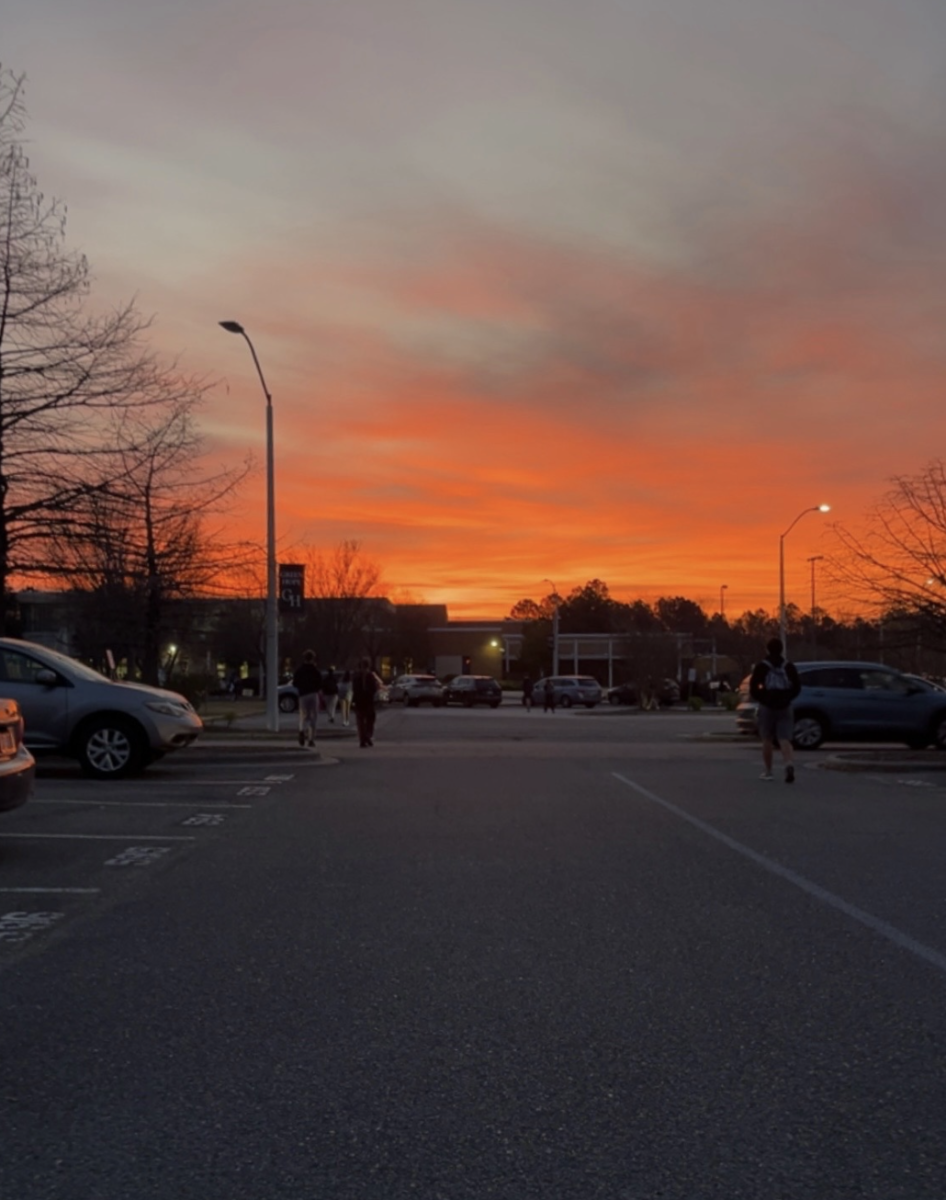
While losing an hour of the day is frustrating, many enjoy the brighter evenings and later sunsets. When the sun stays out longer, students have more opportunities to spend time outdoors and enjoy outdoor activities. After-school sports, bike rides and backyard barbecues become much easier during DST. Some students look forward to daylight saving time as it reminds them that summer is ahead. Chinmayi Chengi (‘27) said, “I like it when the clocks move forward by an hour; the 7 P.M. sunsets immediately unlock something in me. I feel happier, and I like that it gets warmer when daylight savings starts.”
Over time, opinions about daylight saving time have changed. Many researchers state that the change to DST in the spring is harming our bodies. The circadian rhythm is a 24-hour clock that manages most of our physiological processes. For most people, the circadian rhythm is roughly twelve minutes longer than the 24-hour period, but morning light can speed it up to keep a true 24-hour cycle. Experts say our bodies need more light in the morning and less in the evening, which is impossible with DST. Daylight saving time creates out-of-sync circadian rhythms, which can lead to a range of health problems, such as obesity or stroke. Using standard time year-round would lead to 300,000 fewer people experiencing strokes and 2.6 million fewer people with obesity; DST would only provide two-thirds of those results.
Other experts believe that extra sunlight is necessary and helps people stay productive and enjoy the day for longer. Differing perspectives have caused communities and lawmakers to debate the importance of daylight saving time. In recent years, 19 states have proposed staying on DST year-round so that people would not have to change their clocks twice a year. Others believe that we should go permanently to standard time instead. While the issue has been discussed in Congress, and multiple states have requested changes, no national or statewide decision has been made yet.