

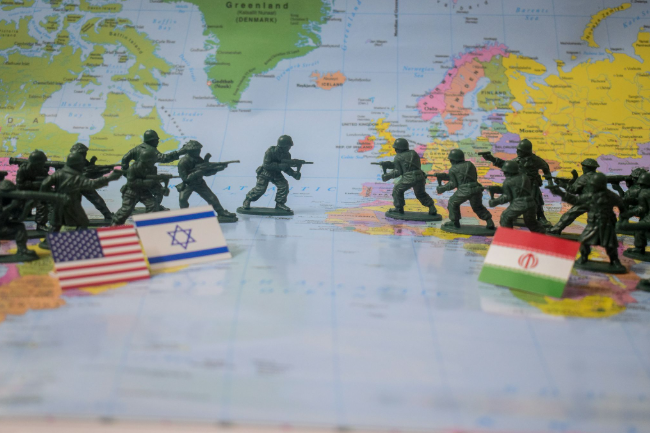
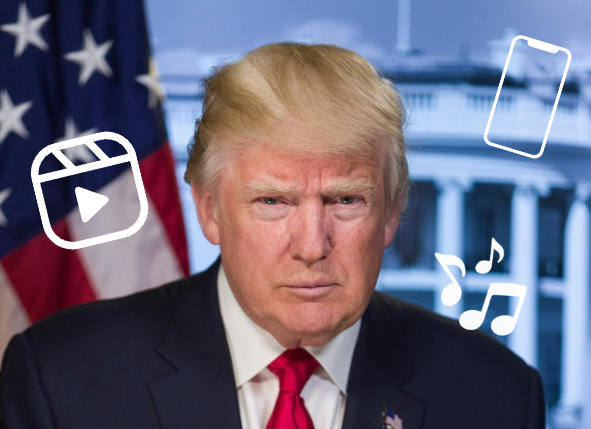
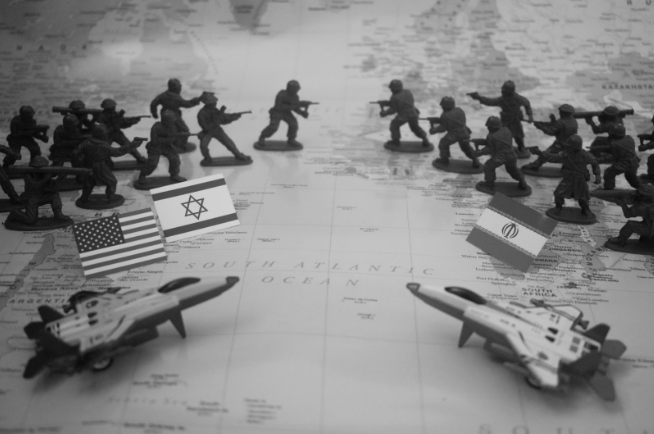





















































Supreme Leader of Iran, Ayatollah Ali Khamenei, has been killed in a series of missile strikes from the U.S. and Israel. U.S. President Donald Trump first announced the news before Iranian state media later confirmed his death. On Trump’s social media, he called Khamenei, “One of the most evil people in History.” What does this mean for the Iranian people, and can they reform?
Iran has long been classified as one of the most repressive and authoritarian regimes. While the nation holds elections for the people, they fall very short of democratic standards. In free countries, the citizens are typically able to hold the government accountable, much like in the United States, where the people have the power to elect their president and representatives. In Iran, however, this is not the case. The people of Iran only have the power to elect presidential candidates that are vetted by Iran’s Guardian Council. This vetting allows the Guardian Council to remove any candidates from the ballot who want to reform the Iranian government away from the Supreme Leader’s Sharia Law agenda. Sharia Law is the legal code derived from the Quran, making Iran a muslim theocracy. All being said, who decides the Guardian Council?
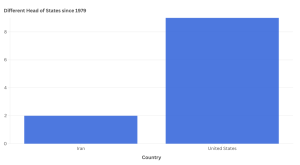
The Supreme Leader can appoint half of the Council’s members, while the other half are appointed by the Head of the Judiciary. Citizens of Iran are unable to appoint either of these officials; the Head of the Judiciary is appointed by the Supreme Leader himself. Khamenei has also been in power since 1989, having the ultimate say in the government, and he isn’t even elected by the people. The Assembly of Experts, made up of interpreters of Islamic Sharia Law, is the ones who appoint the Supreme Leader. Their appointment is primarily based on how well the leader will enforce the Sharia Law. These “Experts” are elected, but are still filtered through the Guardian Council, meaning no part of this process is democratic.
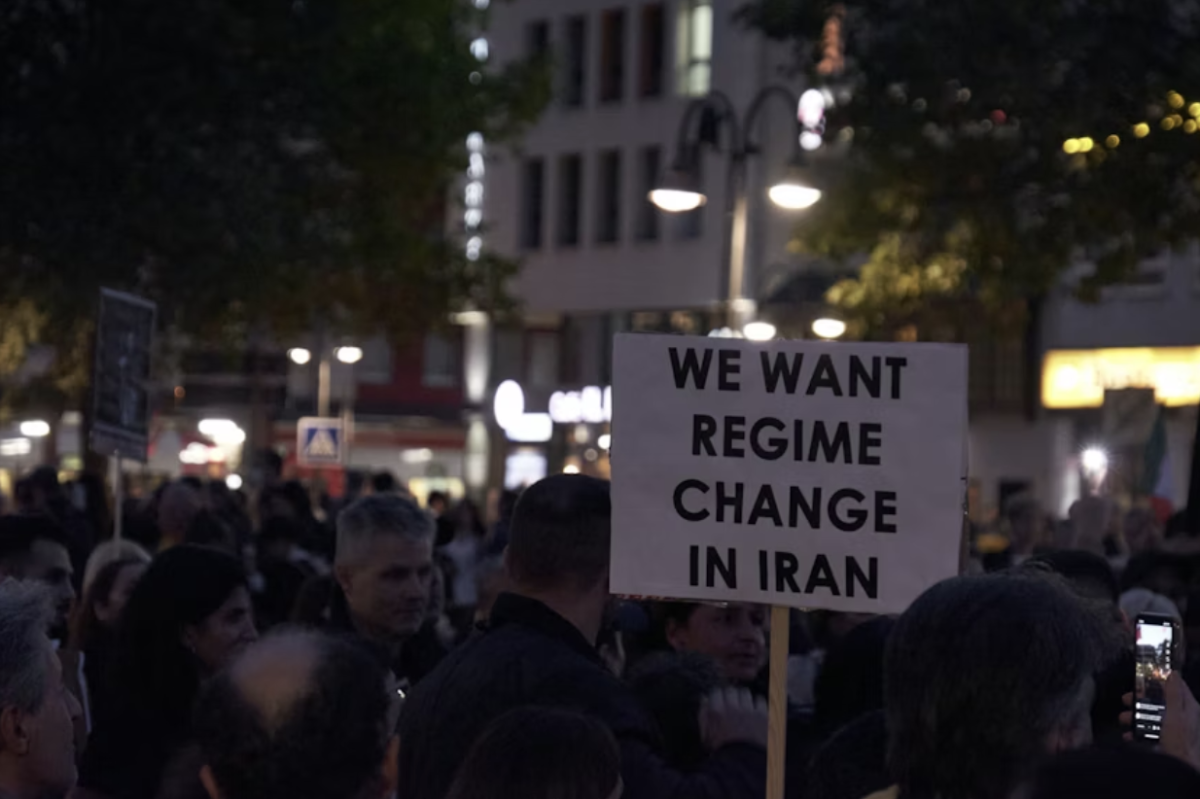
After Khamenei’s death, many wonder where Iran is headed next. President Trump calls for the Iranian people to institute a new regime, stating on his social media, “This is the single greatest chance for the Iranian people to take back their Country.” Despite the President’s comment, the harsh truth is that nothing democratic has been concretely established in the state of Iran. While everything remains largely up to speculation, a new supreme leader will likely take Khamenei’s place, allowing the country to maintain its authoritarian grip on the people. Many assume Khamenei’s son could take his place, but other possibilities are available, such as any one member of the Assembly of Experts. However, Iran has postponed the process of selecting a new leader. Defense Minister of Israel, Israel Katz, has vowed to target Khamenei’s successor.
Iran is currently left in a state of uncertainty; the window for the people to take back their government may seem like it’s closing, but it is still present. On the other hand, Iran can easily appoint a new supreme leader. While the questions of the country’s future arise, what will become of Iran in even a few months from now?