





































































March 1, 2026, will mark the 39th celebration of Women’s History Month in the United States – signifying March as a designated time to celebrate and reflect on women’s accomplishments. Established by Congress in 1987, Public Law 100-9 was an act signed by President Ronald Reagan, taking years of public persuasion from the original Women’s History Week. This change came about due to the increased voice of women not only in the workforce but around the world. Eventually, legislators agreed that a time to acknowledge their achievements was necessary. However, in recent years, the celebration has become less visible, receiving less coverage from corporations and lacking televised celebrations.
But what is Women’s History Month, and what does it cover?
Women’s History Month covers the accomplishments and contributions women have made throughout history, highlighting the struggles they have overcome. Memorable celebrations include the Smithsonian National Women’s History Museum (SNWHM) and International Women’s Day (IWD), both running throughout March.
In the last decade, diversity, equity and inclusion (DEI) has come into intense debate in political discussions. Advocacy organizations, such as the National Organization for Women (NOW), founded in 1966, have claimed that President Trump’s inauguration has been detrimental to their cause. “Much of the progress that women have made in the past 100 years has now been dismantled,” wrote NOW in a 2025 press release.
Contentious discussion
A key talking point has been the Department of Defense’s removal of over 26 thousand images and posts related to DEI. Critics have labeled it as the “DEI purge”, while supporters of this move, such as the Heritage Foundation, argued it depolluted the federal workspace from its overrepresentation rather than erasing history.
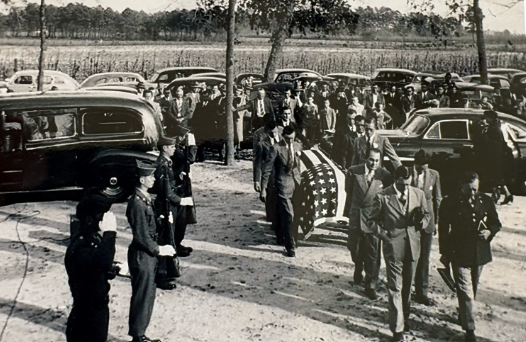
Some of the information that was removed covered historical figures. The Women’s Air Force Service Pilots were civilian aviators during WW2 that performed non-combat-related duties crucial to the war effort. Opha May Johnson, 1919, became the first woman to join the Marine Corps. Critics have seen the removal of stories as a shift of focus from women’s contributions, portrayed as a restructuring of government.
On the opposing side, supporters such as the Heritage Foundation have countered that the changes do not diminish their history but prevent overrepresentation in government. The information has not been truly removed; it can still be examined in museums and other establishments. This division is not limited to groups but the nation as a whole, with the information being available independent of the government.
More than politics
Many corporations in the United States have shifted their focus from Women’s History Month. Companies such as Disney, PepsiCo and AT&T have rebranded their celebrations to spread the message of “inclusivity”. Whether it is due to fear of backlash or legal challenges, the side effect is the lack of communication of women’s accomplishments in recent years.
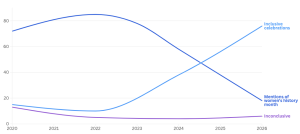
End of term Web Archive and 19th News. (Owen Gouthro)
Since this corporate shift has occurred, it is evident that representation is reliant upon these massive companies. Are they driving a new message to captivate the consumer’s attention? Has there been a shift in priority away from the matter?
Visibility
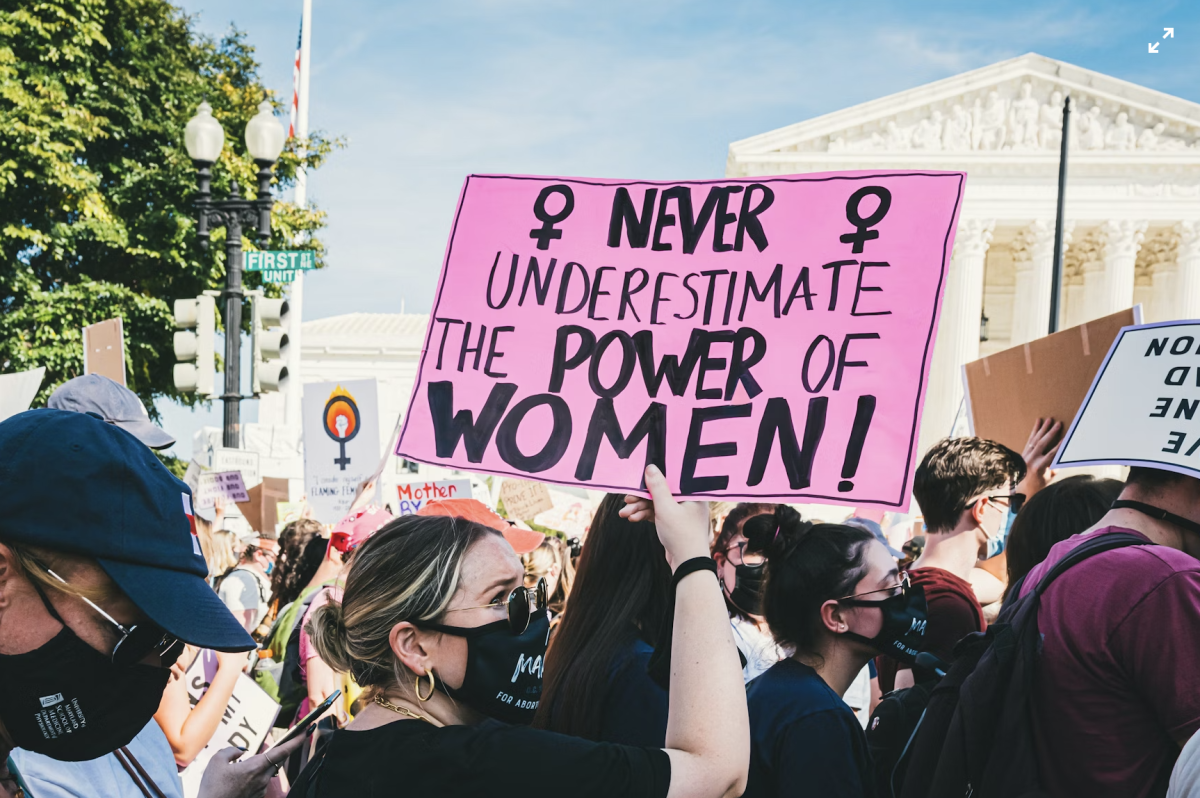
More women have entered leading positions and owned their own practices in the last decade than ever before in the United States. The progress that the month of March was designated to promote has already been integrated and normalized into society, decreasing the previous urgency there was to inform Americans. Yet, there are still issues affecting women that need to be addressed. For example, reproductive rights and the gender pay gap are still relevant problems.
As March arrives this year, Women’s History Month remains recognized on the federal level. Public memory is subject to forgetting; recalling or covering historical information is necessary to preserve the information and its prevalence. While the government has the power to remove information from its databases, the collective choice made by the people is responsible for reintroducing the progress and achievements women have accomplished.