






























During Super Bowl 60, Bad Bunny performed the halftime show. After the show, reports came in that Bad Bunny’s performance was viewed by over 133.4 million people, making it the most-watched halftime show after last year’s performance by Kendrick Lamar.
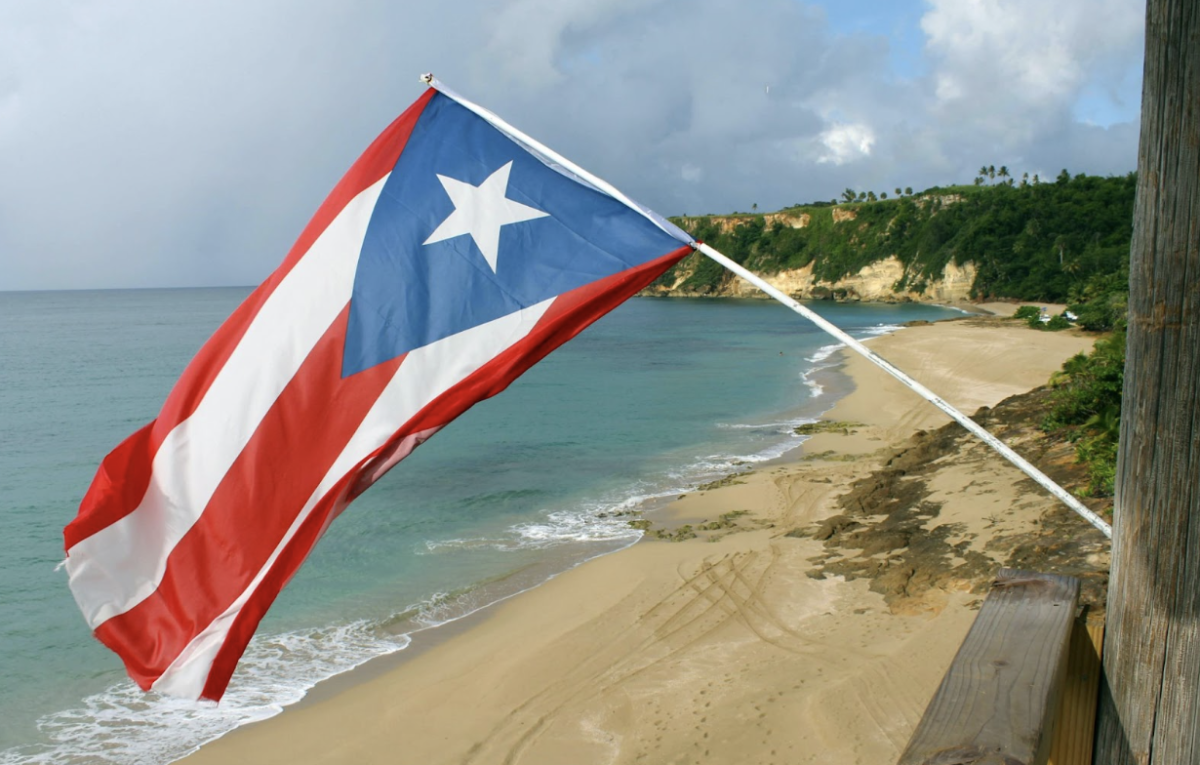
Before the show, there was controversy online about whether Bad Bunny would perform in English or in his native language, Spanish. Many fans voiced early speculations that he would just perform the show in English, but on the day of the Super Bowl, he confirmed that he would be singing in Spanish and said, “English is not my first language. But it’s okay, it’s not America’s first language either.” This quote represents the culture conflict currently going on in America right now. This leads us to the half-time show, where the singer performed in front of 70,000 people, with millions more watching on TV. The props he used represented a sugarcane farm, a casita (small house), a vintage truck, power poles and hundreds of performers surrounding him. They all represented the culture of Puerto Rico, where he was raised. Also, walking through vendors and construction workers represented the working class, while the power lines represented the fragile and frequently failing electrical grid in Puerto Rico.
After the halftime show, the performance sparked a lot of mixed emotions. Families all over the world, tuning in to the halftime show, felt a sense of pride after their countries were mentioned by Bad Bunny. But there were not only good emotions. Bad Bunny’s performance sparked some political controversy. President Donald Trump said, “This ‘show’ is just a ‘slap in the face’ to our country, which is setting new standards and records every single day — including the Best Stock Market and 401(k)s in History,” Others were critical about the show being in all Spanish, stating that it promotes separation of the English-speaking population from the Spanish-speaking population. Additionally, Andrew Kovlet of Turning Point USA (An American Non-Profit Organization target towards conservative politics in high school and College, and University campus’s), stated that the show was “Worse than I realized” and “pure degeneracy.”
While there were a lot of negative reviews coming out from critics, the meaning of the show is more crucial than what people think about it. Bad Bunny is a known Anti-ICE protestor, and he has been very vocal about his opinions on U.S. immigration laws and ICE agents. When he won a Grammy, during his speech, he spoke out against ICE, saying “ICE out!” and “the only thing that is more powerful than hate is love.” The halftime show was more than just cultural representation; it was about representation to the protestors who are going against ICE.
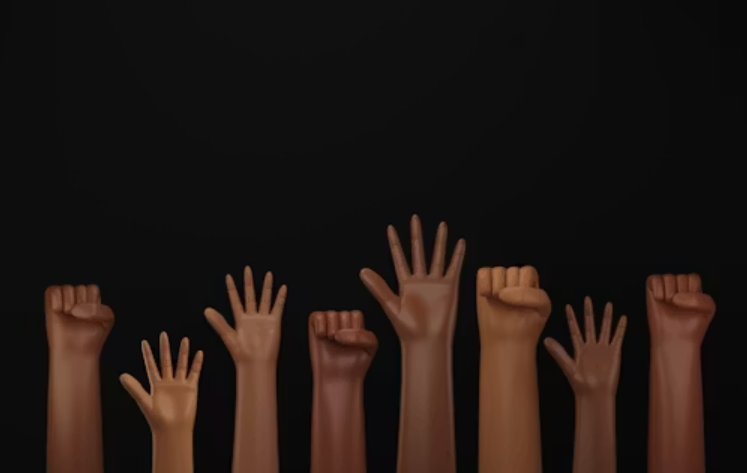
Overall, Bad Bunny’s halftime performance produced both positive and negative reactions, highlighting how powerful cultural representation can be, while also revealing divisions in how audiences feel about language, politics, and identity. For many viewers, it marked an important step toward a more inclusive vision of American culture.