



















































“Heated Rivalry” seems to be the TV show everyone is talking about. The contemporary hockey romance, based on the book series “Game Changers” by Rachel Reid, has hooked casual viewers and hardcore fans alike. Audiences are introduced to the show’s main characters Shane Hollander and Ilya Rozanov, The show transports viewers all the way back to 2008, right before their rookie season, and follows the characters up to 2017, at the start of their committed relationship, all of which happened over the course of six episodes which were released first on the Canadian streaming platform Crave and then HBO Max. For the most part the show was widely well received with a reported 9 million views per episode.
While on the outside the show seems to be just another superficial spice filled romance, the show actually deals with heavier topics such as belonging, family, grief and identity. Something that really resonated with fans and even the National Hockey League (NHL) commissioner Gary Bettman, who says he watched all six episodes in one night. The NHL’s Ottawa chapter also started selling “Heated Rivalry” jerseys, the proceeds support a local lgbtq+ hockey league. The show also brought up themes of acceptance and inclusion for the LGBTQ+ community in the NHL, something that has been a bit of a controversial topic over the past few years, as they have been getting into trouble over the past few years over their treatment of their LGBTQ+ players.
In 2023, the league was hit with a string of controversies due to their handling of pride night events and related merchandise. The first issue came about when several players, particularly Russian-born, elected not to wear the pride themed warm-up jerseys, citing religious beliefs and even concerns over anti-LGBTQ+ Russian law during pride nights.
In response to the boycotts, the league banned the use of rainbow colored pride tape on players sticks, stating it was a distraction and taking away from the game However they later reversed the ban after much backlash from fans, players and advocacy groups.
Another ongoing issue the league is facing is its handling of homophobic remarks and slurs said by its players. Past incidents of players using slurs with varying levels of punishment, or sometimes no punishment at all, have eroded trust and continued concern over the lack of accountability when it comes to the LGBTQ+ community and the NHL.
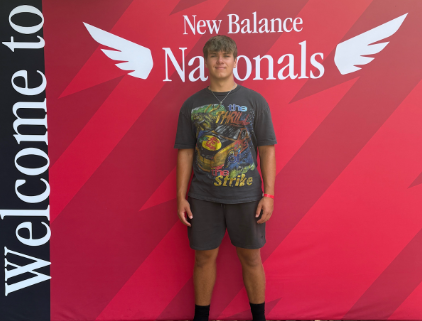
The controversies seem to highlight a disconnect between the leagues “Hockey is for everyone” motto and reality. “It’s hard to be yourself when there are societal pressures to act a certain way,” said student Shane Lauver (’26)., “I hope the NHL will realize that representation matters to create a safer space for its LGBTQ+ players to feel more comfortable.” And “Heated Rivalry” gives us a look into what that reality could be like.
“Heated Rivalry” showed viewers a glimpse into a more accepting and embracing NHL. What viewers see, while fiction, is still rooted in truth. In fact, the show is heavily inspired by the real events that take place both on and off the ice, from players’ rookie seasons and drafts all the way to the Stanley Cup. Even one of the main points of tension is a very real reality for many players, the fact that Shane and Ilya are afraid to be together publicly because there are no openly gay players in the league, something that was true in the real NHL. In 2021, Canadian player Luke Prokop came out as gay. He is a defenseman for the Bakersfield Condors in the American Hockey League (AHL) and under contract with the Nashville Predators, making him the first openly gay player under NHL contract. While not lining up fully with minor character Kip Grady’s storyline of coming out while being a NHL player, the show is rooted in some reality. In an interview with Wisconsin Public Radio, Prokop said he wanted to live as his most authentic self and to let go of the anxiety he was facing from hiding that part of himself as well as becoming the role model he wished he had when he was younger , similar to Kip’s reasons for coming out in the Show.
“Heated Rivalry” has had an effect on hockey as a whole, not just the NHL. In fact, contrary to McGillis beliefs, it actually inspired Jesse Kortuem to come out as gay. Chicago’s Pride Hockey League received around 60 inquiries in the first two weeks of the year alone. However, its reach has spread far beyond the world of hockey.
Thanks to the show’s success “Game Changers” author, Rachel Reid, was able to receive treatment for Parkinson’s, a neurodegenerative disorder that causes the brain cells that produce dopamine to die affecting movement. New York City’s “Heated Rivalry” library downloads soared 1057% during the January winter storm after a mention from the city’s mayor Zohran Mamdani. Across the globe, Russians defied their country’s ban on LGBTQ+ content to watch “Heated Rivalry” and made it a top rated show in the country.
Overall “Heated Rivalry” surpassed anyone’s expectations in regards to its impact. While the NHL still has many mistakes to make up for, things are looking up for both players and fans. In an interview with Harpers Bazzar, Hudson Williams, who plays Shane Hollander, said, “There is a very fervent, loving community around you. Whether that’s your direct family, or some new friends you’ll make…that exists, that’s not a fairy tale, that’s just what you deserve.” As season two begins production, the world is one step closer to the NHL’s motto of “Hockey is for Everyone.”