











































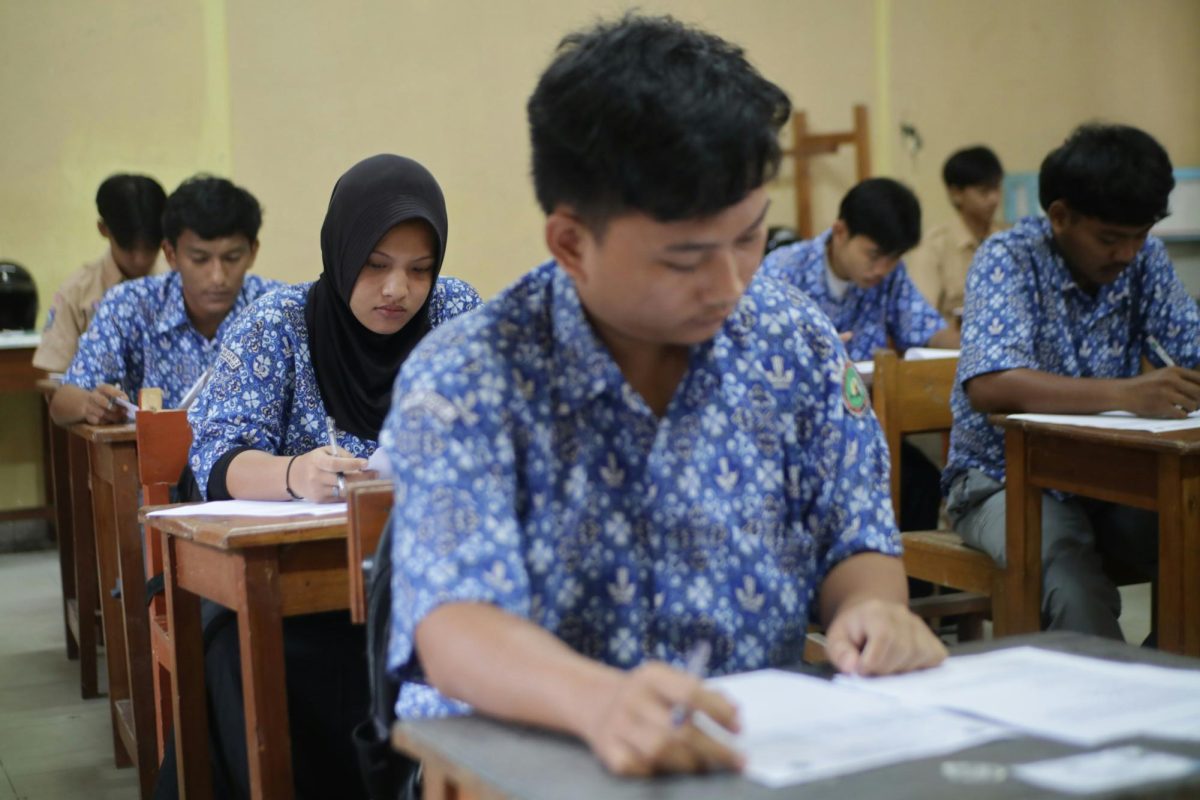




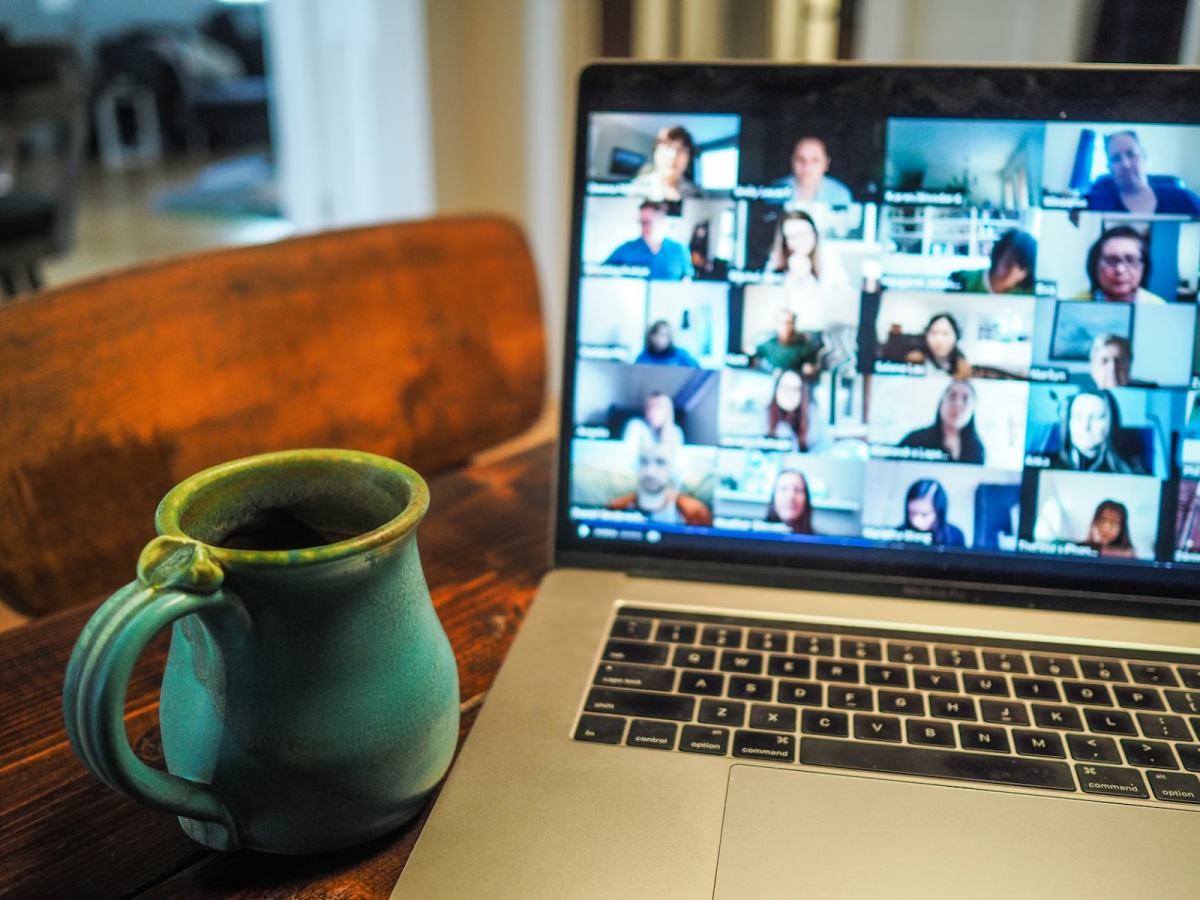
Snow days used to mean going sledding, making a snowman and having snowball fights. Now, it’s school days, and kids’ time outside is cut short to make way for schoolwork. Students are on their devices for hours, completing “snow-day assignments” and watching pre-recorded lessons. Despite schools staying on track, many educators and parents raise concerns about the efficacy of online education.
Although remote learning creates challenges today, it was originally developed decades ago to close the education gap. Caleb Phillips introduced correspondence education to Boston in the mid-1700s, providing short courses via mail. After the development of the U.S. Postal Service, correspondence education skyrocketed as a flexible option for adults, post-war veterans and students with geographical and financial barriers. Assignments could be sent efficiently between teachers and students. As the years progressed, televisions and radios became tools for broadcasting courses, and online education spread globally. More recently, COVID-19 caused schools to implement remote learning practices.
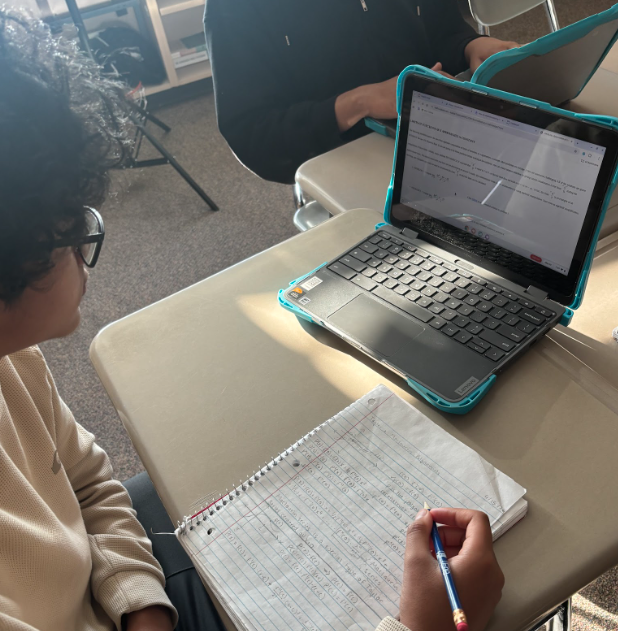
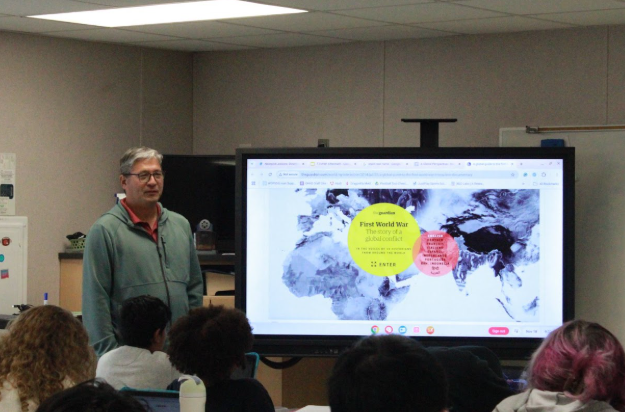
Now that the pandemic is over, remote learning serves as an alternative to traditional school when inclement weather, health concerns and other issues arise. Many school districts are counting five remote days toward the required instructional time, limiting the need for make-up days at the end of the year. Through digital platforms such as Canvas and Google Classroom, students can learn at their own pace, as teachers can post material, review videos, and give lectures online.
Remote learning holds significant problems for student participation and performance. Students often have numerous distractions, hindering their ability to perform their best academically. Without a proper learning environment, many students struggle to stay engaged and motivated. Furthermore, some require additional support or guided learning that teachers are unable to provide due to their physical separation. This lack of in-person assistance often decreases class completion rates.
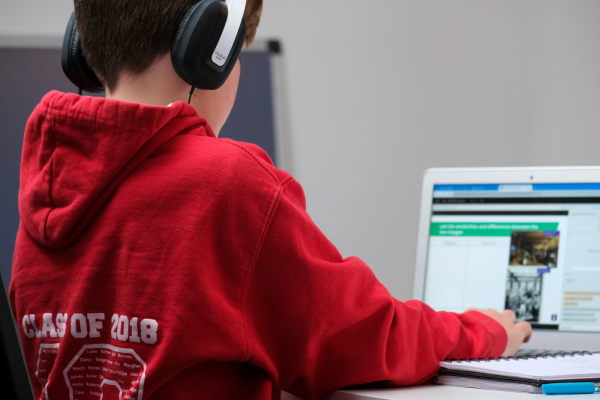
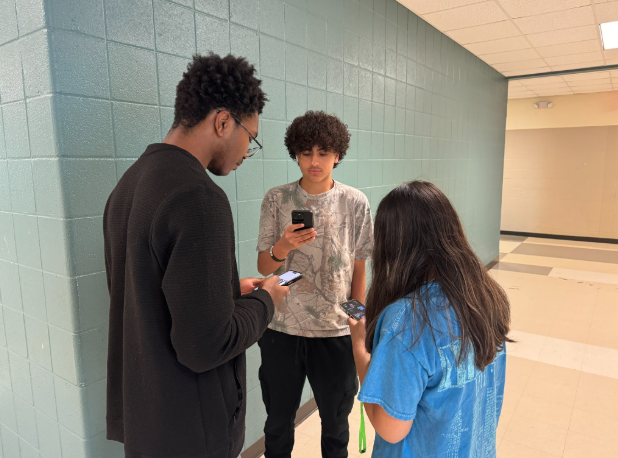
Another major concern is the amount of screen time students spend. Screen use increased by nearly two hours after the introduction of virtual education in public schools. Many students now spend four to five hours online to finish their work and may experience eye strain, headaches and mental fatigue. Usage over multiple days can negatively impact their ability to memorize, concentrate and retain information regardless of their location. Over time, the effects of remote learning can cause short and long-term problems for their overall well-being.
Additionally, there is a concern about access to technology. Remote learning relies on devices and strong wifi; however, neither is definitively available in all situations. In younger grades, many schools do not equip students with Chromebooks or iPads, making access to their work more difficult. Additionally, students below third grade are unable to bring devices home, which prevents them from accessing remote work. Many middle and high school students now have access to computers they can take home. However, reliable power is never guaranteed; it is common for wifi to reset or glitch, creating gaps in time where students are unable to do anything online, causing frustration for both students and teachers.
Despite its flexibility, remote learning has become controversial in recent years, specifically in regards to its use during periods of snow. Without the structure of school days, some students struggle to manage their time wisely and stay organized. Teachers are not readily available and may be delayed in responding to emails, causing students who need frequent or immediate assistance to struggle. While remote learning offers convenience, these challenges raise questions about its overall effectiveness, including student engagement, learning and well-being, as well as its necessity.