







































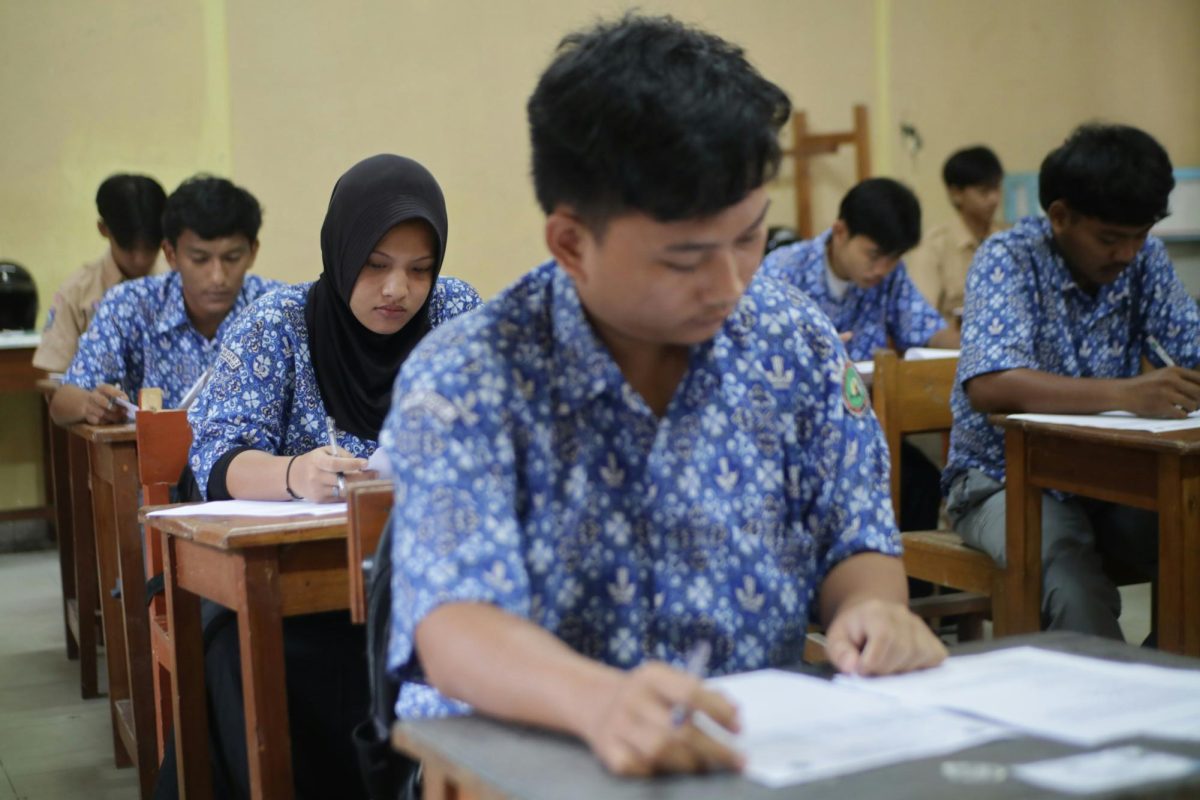







Millions of high-schoolers struggle to get jobs and extracurricular opportunities due to a poorly built resume. According to Commonwealth Corporation, “Employment rates among teens have dropped nearly 50% since the late 1990s. More than half of today’s high school students have no work experience, and some groups suffer even lower employment rates.” Simply beginning the process can be overwhelming. Creating your first resume can come with hesitation, questions and overall struggle. It’s the first time you’re asked about who you are, what you like and why they should hire you. As overwhelming as this process may seem, there are many tips and tricks to make it simple and easy. Creating a strong resume almost guarantees the most accurate presentation of your successes and skills.
Creating a resume comes with the purpose of professionally but clearly presenting the person that you are. Highlight your own range of skills and experiences and explain why you would be a good fit for certain positions and opportunities. Engines like Google Docs and Word provide professionally designed templates including suggested formats, which can organize a projection of your skills, education, experiences and even personal unique aspects of your own current life. Cindy Cheng, an employee at Feng Cha, said she, “I used Google Docs because it has simple résumé templates. I picked one that looked clean and professional, then filled in my school activities, volunteer work and skills. Even though I didn’t have job experience yet, I used things I’ve done that show responsibility, like volunteering and leadership roles.”
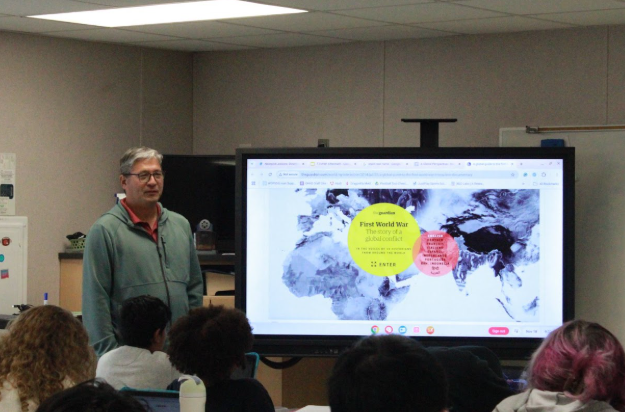
A strong resume is often associated with work experience, but for high school students, that’s rarely the case. Instead, resumes tend to reflect academic involvement, extracurricular activities and volunteer work. According to Green Hope High School teacher, Mr. Stefan Little, these experiences can be just as meaningful when presented correctly. He explained that students should focus less on titles and more on clearly showing what they contributed and learned through the involvement. Cheng shared a similar sentiment, as she said, “I included things about school clubs, helping my family, skills like communication and teamwork for the experience portion.”
How should you describe your experiences?

The way experiences are worded plays a significant role in how a resume is looked at. Rather than listing activities without explanation, students benefit from describing their responsibilities using clear and specific language. Mr. Little emphasized that strong wording helps readers understand a student’s role, noting that, “How you explain what you did matters just as much as what you actually did.” Career experts similarly recommend using action verbs and measurable details to give context and clarity to each experience, allowing resumes to feel more concrete and purposeful.
Why does your formatting matter?
In addition to wording, formatting is an essential, but often overlooked, component of resume building. A clean, one-page layout with consistent spacing, fonts and headings allows employers and program coordinators to quickly scan for key information. Mr. Little noted that resumes should be easy to read at a glance, and he explained that cluttered designs or excessive graphics can distract from the content itself. Clear sections such as education, activities and skills help ensure that important information is not overlooked.
Adapting a resume to the opportunity
Resumes are most effective when tailored to their purpose. A resume for a part-time job may prioritize reliability and teamwork, while one for an internship or academic program may highlight skills, coursework or leadership experience. Mr. Little pointed out that students should think about what the reader values most, explaining that, “A resume isn’t one-size-fits-all and that it should change depending on where it’s being sent.” By adjusting emphasis and content, Cheng, despite her lack of experience relevant to working at a boba shop, she stated that she, “tried learning drink terminology and watching tutorials on how boba shops prepare orders.” She wanted to be prepared before she started working and applying her skills to support her resume.
In a world of experience and opportunity, perfecting the way you present yourself becomes much more important beyond just your first resume. As your success guides you through academics, extracurriculars and all other opportunities, becoming aware and able to present yourself becomes just as important as the experiences themselves.