




























































38% of Americans are affected by a decline in mood during the winter months, according to a 2022 poll by the American Psychological Association. Factors like the decrease in sunlight, missing a loved one during the holidays, the stress of wrapping up the first semester of the school year and more may all contribute to this pattern. However, there is a difference between temporary sadness associated with “winter blues” and the clinical condition known as Seasonal Affective Disorder (SAD). Whether one’s decline in mood is a result of a short-term period of sadness around the holidays or a biologically based mental health condition, there are a variety of treatments and lifestyle changes that can help mitigate its effects.
What is Seasonal Depression?
Seasonal depression is the broad term used to describe the feelings of sadness, loneliness and exhaustion that appear or worsen during the winter months— although symptoms may appear in the summer for some. The medical term for this is Seasonal Affective Disorder (SAD), which is a type of depression triggered by seasonal changes.
While there is no singular known cause of SAD, there are numerous biological factors that are linked to the disorder. For SAD that appears in the cooler months, the most likely contributor is the change in sunlight. The decrease in sunlight during winter disrupts humans’ natural circadian rhythm, or internal clock, causing feelings of depression and fatigue. The change in light patterns causes changes in melatonin, which is responsible for feelings of sleepiness. The longer periods of darkness during the winter months result in more melatonin being produced, and consequently, a greater feeling of exhaustion. Additionally, a decrease in the amount of the neurotransmitter serotonin may play a role. Declining serotonin can also be a result of the decrease in sunlight and can trigger depression.
Many claim to suffer from seasonal depression, but due to the term’s broadness, there is often confusion between SAD and an unofficial, less-severe type of seasonal sadness known as the “winter blues.” The main difference between the two terms is that SAD is diagnosable and linked to proven biological changes triggered by the changing of the seasons, whereas the winter blues are typically tied to a specific event or change. Missing a loved one around the holidays or the slump following holiday celebrations are two common examples of specific factors that may cause the winter blues, according to the National Institute of Health (NIH). Both explanations for a decline in mood during the winter months are real and can greatly impact one’s mood, so understanding their differences is crucial to determining the best treatment method.
Recognizing Signs In your Friends
Contrary to popular belief, seasonal depression affects individuals of all ages and can manifest itself in various signs and symptoms. The disorder occurs more frequently in women and often begins in young adulthood. Those who live in northern climates and experience reduced sunlight in winter months are also at an increased risk of developing the disorder. Additionally, SAD is frequent in individuals with Bipolar II disorder, due to its frequent depressive episodes, as well as those with ADHD, eating disorders, anxiety disorders or panic disorders.

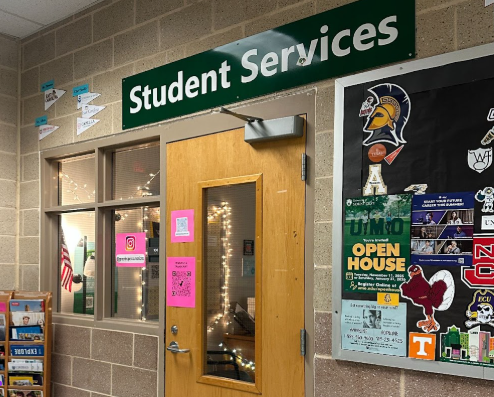
Seasonal depression’s ability to drastically impact mood can lead to alarming behaviors in family, friends and other loved ones, meaning the signs are important to look out for. Daniel McGrogan, Green Hope’s school psychologist, shared that those experiencing the disorder “may feel a persistent sadness, loss of interest in activities, low energy, carb cravings, increased sleep, weight gain, difficulty concentrating and feelings of hopelessness or irritability.” Although some of these symptoms are harder to recognize, major shifts in attitude and physical appearance are telltale signs to look out for.
An anonymous senior at Green Hope High School suffers from seasonal depression. It makes his pre-existing disorders, generalized depressive disorder and major depressive disorder, worse as the winter season progresses. “The main part about it is just how dark it gets,” he shared when reflecting on his experiences. The shift in darkness affects humans’ circadian rhythms, impacting the quality of sleep for many. “Quality of sleep is one of the biggest indicators of mental health and how people cope with it,” the student stated. “Look out for people being more irritable. If you think they’re overly sleepy, that can be a telltale sign.
Treatments
There are many ways to assist both yourself and the people you care about with managing seasonal depression. One of the most popular tools used to treat the disorder at home is artificial lighting, a tool used to mimic sunlight in the brain and assist with normalizing circadian rhythms. “There is information to suggest that a light box or light therapy can be utilized; sitting under a light for 30 minutes a day can help with seasonal depression. However, it is a specialized lamp that should be used,” school counselor McGrogan shared.
Alongside artificial lighting, increased amounts of exercise and Vitamin D are essential to improving mental health. It’s important for individuals suffering from the disorder to increase outdoor light exposure, whether it be going for a walk or simply sitting outside. Additionally, practicing routine sleep patterns is encouraged, meaning those suffering should make an effort to go to sleep and wake up at designated times. This helps with regulating an individual’s circadian rhythm, bettering sleep quality and improving overall mood.
When seasonal depression is prolonged, the methods of treatment often change, taking a more generalized and well-known approach. “If it has been longer than a few weeks, I would think it should be treated like a general depression disorder, and we would call home to talk with parents,” McGrogan stated. These treatments then vary from person to person, and patients are encouraged to find a method of treatment that best suits their needs. “Individuals are encouraged to work with a counselor or therapist with whom they trust and work with them to figure out the best treatment options, such as therapy, medication and other lifestyle changes that could help.”
Conclusion
Seasonal depression is a debilitating and disruptive disorder that many individuals are forced to live with during various months of every year. Although increasing daylight is beyond human capacity, there are many tools, strategies and resources available to make the disorder more manageable.