



























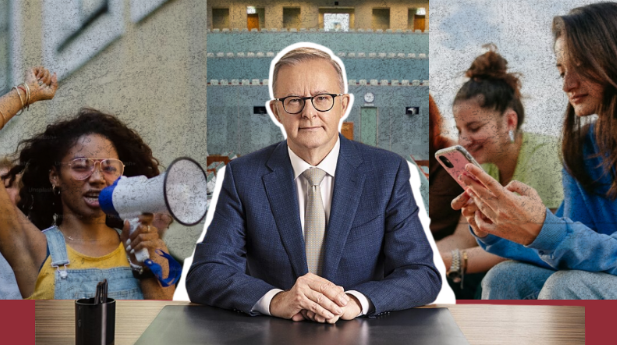
A new law in Australia is banning children younger than 16 from using major social media platforms, forcing the United States to consider the pros and cons of digital disconnection. The policy, which was influenced by concerns over youth mental health, has sparked debate over government intervention, freedom and the nature of modern teenage life.
The Online Safety Amendment, or the “Social Media Minimum Age” Bill 2024 came into effect Dec. 10, 2025, establishing a mandatory minimum age of 16 for accounts on services like TikTok, Instagram and YouTube.
The Australian government says its goal is to protect children from online risks such as cyberbullying and harmful content. The legislation places the responsibility on tech companies, not families, to take “reasonable steps” to verify users’ ages and prevent minors from maintaining accounts. Companies that fail to comply face substantial fines, up to $49.5 million Australian dollars, or about $50 million US dollars.
Many families and communities, however, warn the policy creates new data privacy risks from age verification tools and could strip away isolated teens of an important “lifeline,” or their online community.
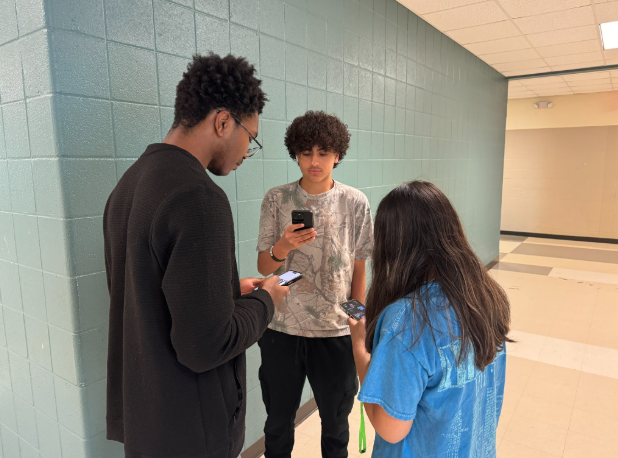
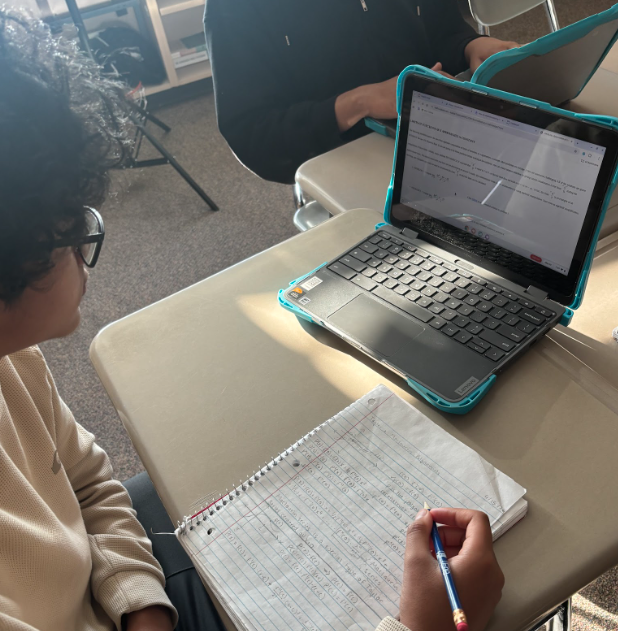
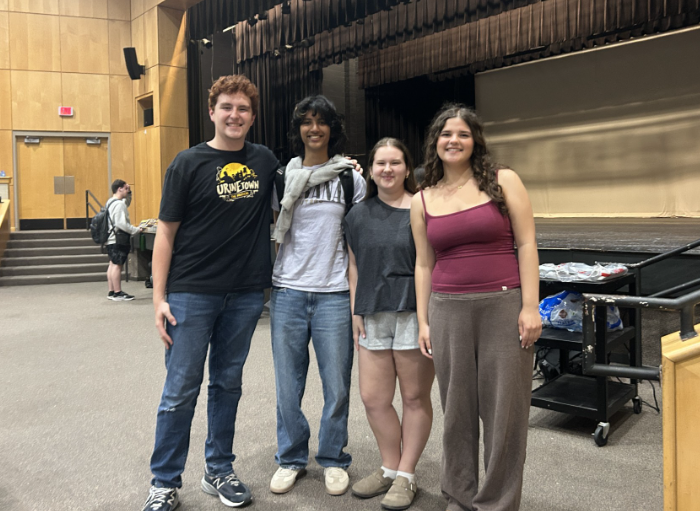
If a similar ban were implemented in the US, where similar bills have been proposed, teenagers say the disruption would be significant.Nadia Andrews, a freshman student at Green Hope High younger than 16, said she fears the loss of connection. “It would probably make them feel more isolated,” she said, because students “wouldn’t be able to contact anyone outside of people they can see,” referring to people who live far away. Andrews said she uses platforms like Instagram to stay in contact with friends whose phone numbers she does not have.
Another freshman at Green Hope, Matthew Morrow, said social media is “pretty important” for keeping in touch with peers, particularly those who attend a different school. He called the idea of a ban a “stupid idea.”
The ban on platforms that have educational content, such as YouTube, was also a major concern. Andrews noted she would not be able to go on the site for school work. Morrow wondered how teachers would adapt if students could not access videos for educational purposes, stating the ban “would disrupt learning.”
The students strongly disagreed with the idea of government intervention, arguing that social media use should be a decision for individual families. “I think your parents should make the final decision because it’s based on each household,” Andrews said. She characterized a government ban as a form of “media censorship.” Morrow agreed, stating that the decision should be the parents, not the government. “I think it’s the parents’ fault if there’s any issues on social media,” he said.
Even if a ban were put into law, both students believe their classmates or friends would try to bypass the restrictions, which reflects compliance concerns in Australia. Andrews said the most difficult thing for students would be losing a primary source of “entertainment,” which would be compounded by the loss of their “online network.”
The Australian social media ban brings up a debate between government protection and parental authority, with American teenagers firmly rejecting the government’s role. Students like Nadia Andrews and Matthew Morrow feel a ban would be an act of media censorship that causes social isolation and disrupts schoolwork. In summary, teens believe the decision belongs to parents, guaranteeing that any US ban would be met with widespread evasion and compliance concerns.