


































































Admissions season is here! It’s time to take a look at the various impacts extracurricular activities have on students and their college applications.
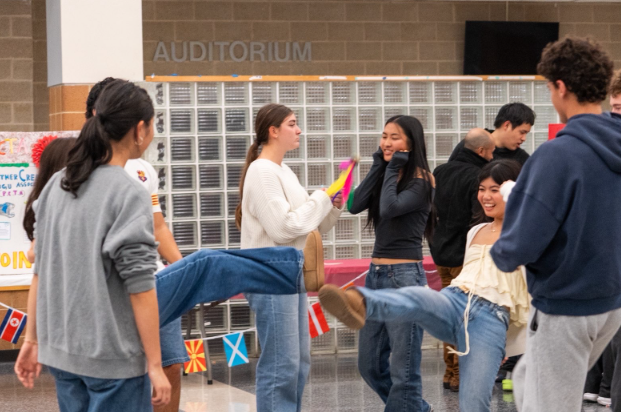
As competition grows at selective universities, extracurricular activities have become one of the central methods for students to distinguish themselves beyond academics. Colleges use a holistic review process, meaning applicants are evaluated not just on grades, but on who they are as people and how they contribute to their communities. According to BigFuture by College Board, extracurriculars help admissions officers understand “the person you’re becoming” and what makes you unique.
Research supports that involvement outside the classroom reflects strong commitment and personal development. The ACT states that extracurriculars show colleges that a student can balance responsibilities and stay dedicated to long-term goals. A study from the National Center for Education Statistics also found that participation in such activities is associated with stronger engagement and higher academic performance.
Student examples demonstrate how extracurriculars translate into qualities that colleges value. Dhaval Pant (‘26), a senior at Green Hope High School, participates in quite a few activities, such as being a member of the school swim team, a board member for the Entrepreneurship Club and a DECA member. His involvement shows discipline from athletics, teamwork through competition and leadership in organizing club activities. These are traits tied to student success on college campuses.
Another student, Siddharth Chukkayapally (‘26), another senior at Green Hope High School, runs an SAT tutoring business, which highlights communication skills, entrepreneurship and service to peers. His work reflects initiative and impact – two qualities admissions officers frequently list as meaningful in application reviews.
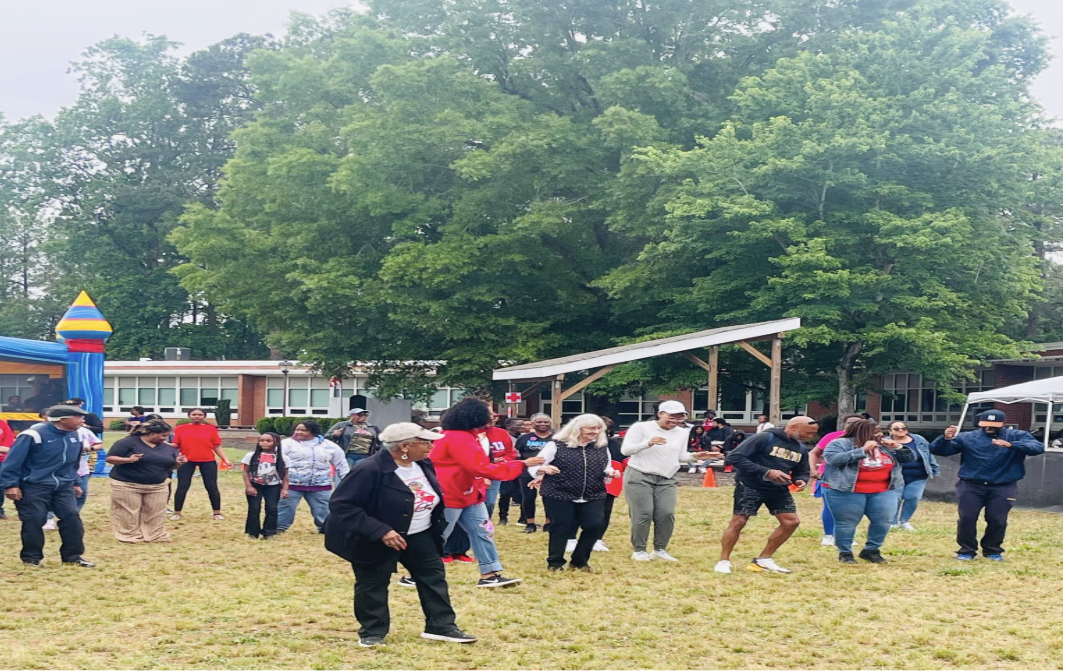
Extracurriculars also benefit students beyond admissions. They build time management skills, collaboration and resilience. They expose students to different perspectives and push them to develop confidence in real world settings. These experiences help students transition more smoothly into college life, where independence and involvement are essential.
While strong academics remain as the foundation of an application, extracurricular activities provide the context that brings a student’s personality, values and potential to life. Whether through leadership roles, long-term dedication or community impact, extracurriculars allow students to stand out in an increasingly competitive admissions landscape.