


















































What began as an effort to recycle waste while appreciating the sentimental value of everyday items has started to fuel exactly what it was designed to combat: unnecessary consumption. Junk journaling, a hobby inspired by Victorian-era scrapbooks, made its way onto mainstream TikTok in recent years and has sparked a revival in nostalgic crafting. However, new products and curated ephemera have caused junk journaling to stray away from its intended purpose.
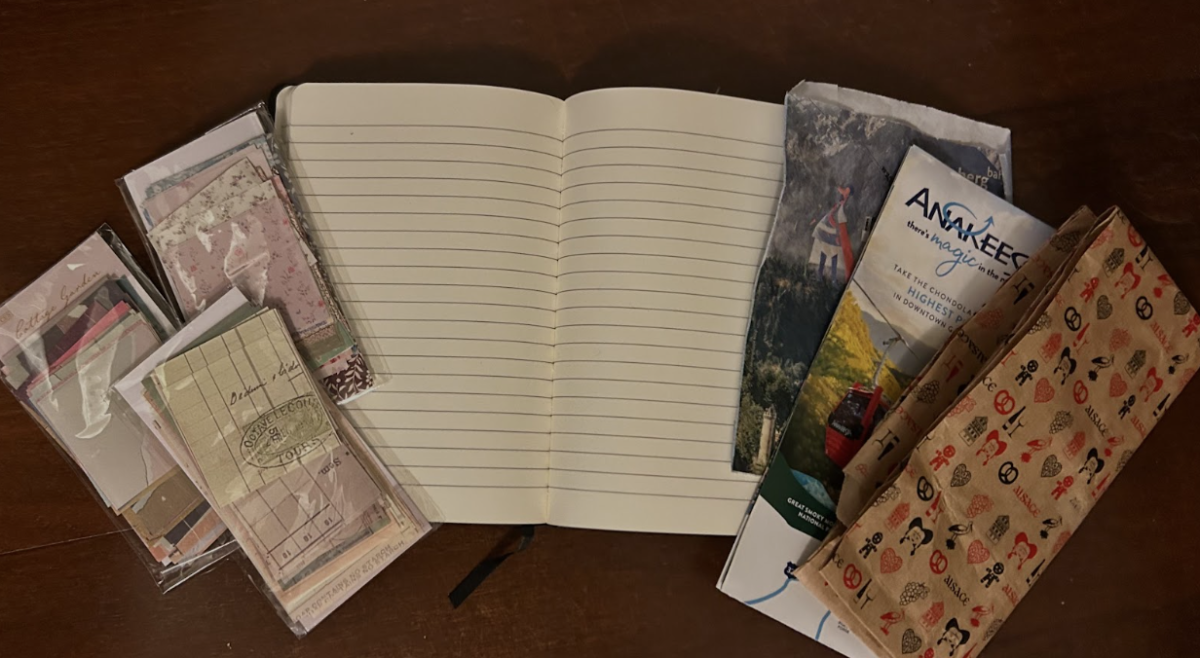
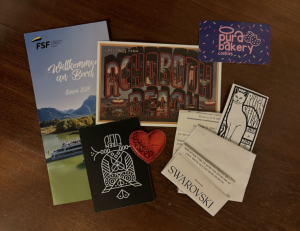
Dating back to the mid-1800s, junk journaling refers to the practice of pasting “junk,” or items that have little long-term meaning, into a notebook. Receipts, food labels, ticket stubs and paper napkins are common in such journals. With their emphasis on collecting waste, junk journals harbor an appreciation for seemingly useless items while also encouraging sentimentality and the reuse of materials.
In an era where a majority of memories are stored behind a phone screen, the desire for a physical archive has become prominent, especially amongst young teens who have grown up in a solely digital world. Activities such as junk journaling have become increasingly popular alongside the growing desire for physical media. Those who have chosen to collect memorabilia often struggle with finding ways to organize and display them. Junk journaling provides a compact, but aesthetically pleasing way to store such items, capturing the attention of young people hoping to keep and look back on sentimental scraps.
Although similar to traditional scrapbooking, junk journaling is unique in its style. By prioritizing the use of scrap materials, junk journaling is designed to be a more sustainable alternative to scrapbooking. It lends itself to more abstract collaging, an alternative to scrapbooking’s planned spreads of images. For many, its appeal stems from the reduced amount of pressure to create a flawless page. There’s no fear of messing up a junk journal since there’s no expectation of organization. Its freeform style and emphasis on sustainability make junk journaling a distinct hobby, one different from traditional scrapbooking.
Despite originally being marketed as a craft that discourages overconsumption, junk journaling has become yet another activity promoting consumer culture. As the hobby became a TikTok trend, businesses attempted to profit from junk journaling. Curated ephemera, stickers, and crafting tools specifically made for junk journaling were developed, directly challenging its supposed “sustainability.” Rather than having to scrounge up old clothing tags or stow away a napkin from a fancy restaurant, people can simply buy all the necessary materials for a junk journal. Inauthentic “vintage paper” and stickers imitating the classic “ransom note” font style created by magazine clippings are just two examples of items available to purchase as a mass-produced alternative to collecting genuine junk. With inauthentic memorabilia becoming increasingly popularized for its aesthetic appeal, junk journaling is becoming less about repurposing “junk” and more about purchasing the trendiest items to decorate a glorified scrapbook.
The selection of junk journaling materials available for purchase, combined with confusion between it and scrapbooking, has caused the craft to lose its meaning. The treasure hunt for remnants of memories hidden within scraps of paper has been abandoned for a quick Amazon search. No longer is a junk journal a notebook filled with freeform collages of repurposed waste— it’s merely a scrapbook showcasing the power of material culture and the deep-rooted desire to consume.