





































































Each November, communities across the country come together to recognize Diabetes Awareness Month, a time dedicated to educating others about diabetes, supporting those affected and highlighting research towards better treatment and a cure.
According to the Center for Disease Control and Prevention (CDC), more than 38 million Americans are living with diabetes — roughly one in ten people. Among them, around 1.6 million live with type 1 diabetes, an autoimmune condition that typically develops in childhood or adolescence and requires constant blood sugar monitoring and insulin management. While type 2 diabetes is more common in adults and is often linked to lifestyle factors and genetic causes, both forms of diabetes demand daily care and resilience. Diabetes is often misunderstood, oversimplified or turned into a joke, but behind the misconceptions are real people navigating a complex, exhausting and deeply personal journey.
Type 1 Diabetes
Type 1 diabetes, formerly known as juvenile diabetes or insulin-dependent diabetes, is a chronic autoimmune disease that occurs when the body’s immune system mistakenly attacks and destroys the insulin-producing beta cells in the pancreas. Insulin is a vital hormone that allows glucose from the food you eat to enter the cells of your body to be used for energy. Without enough insulin, glucose cannot enter the cells. Instead, it builds up in the bloodstream, leading to high blood sugar (hyperglycemia). Type 1 diabetics have to constantly think about their blood sugar and manage it in everything they do.
Type 2 Diabetes
Type 2 diabetes occurs when the body becomes insulin resistant or cannot effectively use it. Unlike type 1, the body still produces insulin, but it can’t use it properly. Genetics often play a major role, and many people are surprised to learn that type 2 isn’t simply caused by eating too much sugar. In reality, it’s influenced by a mix of family history, hormones, stress and overall health. For many people, type 2 develops slowly. Some people manage it with medications while others use lifestyle changes or monitoring tools to keep an eye on blood sugar levels. Increasing awareness about type 2 diabetes helps break stereotypes and creates a more supportive environment where families feel seen rather than judged.
Green Hope Health Science teacher Ashley Davidson has been living with type 1 diabetes since 2012 and shares her experience. “It’s a diagnosis that changes everything. Every time I eat, I have to think about what I’m eating. When I go to bed, I have to make sure my sugars aren’t low, so I don’t fall asleep and have a low in the morning. I have to manage my mood because your mood is also reflected by your blood sugar.” Diabetes is a clear and constant battle, shaping daily routines in ways most people never see or fully understand.
Kinley Barber, a junior who lives in Asheville North Carolina, has been living with type 1 diabetes for around 12 years and she shares her experience with how diabetes affects her on a daily basis, “I definitely feel lonely at times because not many people know what it’s like to have it, and it just gets frustrating when it’s high and low.”
(Mia Swain)
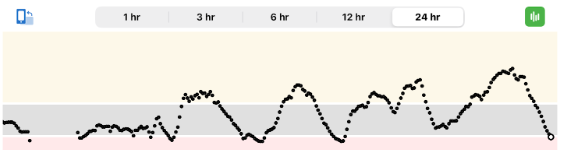
Blood sugars fluctuate all the time. Some days, blood sugar just won’t cooperate, no matter how carefully someone counts carbs or doses insulin. Many people with type 1 diabetes cope by simply pushing through the discomfort while they work to bring their numbers back to a safe range. Even after years of living with the condition, managing the emotional toll of unpredictable highs and lows remains a challenge. Barber explains, “Sometimes people don’t understand how managing diabetes can be such an inconvenience. Checking your sugars and giving insulin seems like such a simple task, but it’s so easy to get burnt out.”
Ms. Davidson also shares the emotional and physical toll blood sugar fluctuations can take on a person. “Your mood gets tied to your numbers. When you’re really high, you feel lethargic and honestly kind of mad. When you’re really low, you get irritated and it’s hard to think or talk clearly. It affects you all the time, even if nobody else notices.” People living with diabetes show incredible strength. They learn to adapt, to laugh when things get difficult, to push through discomfort and to keep going even on days when their blood sugar refuses to cooperate.
Social situations add a different layer of stress. Many people with diabetes get tired of hearing jokes about “eating too much sugar,” or comments about what they should or shouldn’t eat. They don’t want to feel like a stereotype. Support from friends and family is incredibly important, and it can be frustrating when people misunderstand the disease or assume it’s caused by poor choices. Ms. Davidson says, “Sometimes I joke about it because that’s just my personality, but support really matters. For example, I don’t like the diabetes jokes anymore, like ‘you have diabetes because you’re fat’ or ‘don’t eat that cake or you’ll get diabetes.’ Those aren’t funny. Being supportive means understanding that diabetes isn’t caused by one bad choice.”

School can also be emotionally draining. Alarms might go off during a lecture or a quiet test room, leading to unwanted stares. Lunchtime is fueled by counting carbs, calculating insulin and hoping the numbers behave for the rest of the day. Sports practices after school add another layer of unpredictability; exercise can cause dangerous lows that athletes must prepare for before they even step onto the field. Many become advocates for themselves, educating teachers, coaches and peers about what diabetes actually looks like. Barber speaks of her experience with diabetes as a student: “Diabetes can be hard to manage at school. Sometimes I have to stop what I’m doing, whether that’s a test or an activity, to check my sugar levels and treat them if necessary.” For diabetics, it’s a constant balancing between staying focused in class and making sure their blood sugar stays stable enough to keep them safe.
Despite its challenges, the diabetes community is fueled by innovation and resilience. Continuous glucose monitors (CGMs), insulin pumps and close looped systems are transforming how people live and manage the condition. Devices like the Dexcom G7 and Freestyle Libre 3 act as CGMs, sending blood sugar readings straight to a phone or smartwatch. This allows people to catch dangerous highs and lows before they become emergencies. For insulin delivery, many rely on Omnipod — a small, tubeless insulin pump that sticks to the skin and automatically delivers insulin throughout the day. Unlike traditional pumps with tubing, Omnipod offers more freedom and flexibility, especially to those who don’t want diabetes to define their daily routines.
Throughout November, organizations like Breakthrough T1D (formerly JDRF) encourage schools and communities to participate in fundraising walks, social media campaigns and educational initiatives. These efforts not only raise money for research, but also amplify the voices of those living with diabetes. Ms. Davidson spoke on Diabetes Awareness month. “Honestly, I didn’t even know it was Diabetes Awareness Month,” Ms. Davidson admitted, “But awareness matters. A lot of people still think diabetes is just caused by eating badly, and that’s not true — especially with type 1. Not all diabetics are the same. Being educated helps support the people around you.”
Living with diabetes means carrying a weight most people never see. The hardest struggles aren’t always the finger pricks, the pod changes or the alarms that go off at the worst possible moments — it’s the constant mental load that never shuts off. Every meal, every workout and every night of sleep requires calculation, planning and constant worry.
Diabetes Awareness Month isn’t just about raising awareness. It’s about those who juggle homework and health, families who rally around late night alarms and communities who learn to care a little deeper. So next time you see someone with a Dexcom on their arm or an Omnipod on their leg, remember that it’s more than just a medical device — it’s a symbol of strength, resilience and the fight to live fully in spite of daily challenges


Kelly Swain • Nov 18, 2025 at 7:37 pm
Perfectly written words with hope for a cure, understanding from those around you and awareness. Everyday you amaze me with your strength and courage. Insulin is life support, without you can not live- educating is allowing support. I am proud of you Mia for sharing something so personal and I know you will continue to do big things. Love, Mom