

































































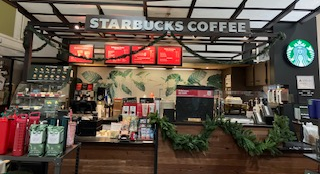
Last Thursday, Starbucks caused a frenzy with their limited edition Bearista Cup, a glass cup shaped as a teddy bear wearing a Starbucks winter beanie. It instantly became sought after and a topic of discussion among fans of the chain. Many people were even seen camping outside stores for its release. The mania was caused by the product’s rarity. Each Starbucks establishment was given a limited stock of the cups, generating a craze among consumers interested in getting the rare merchandise. Social media significantly contributed to demand for the Bearista Cup as posts promoted the release, causing people to wake up before sunrise to be first-in-line for a cup.
On the morning of Nov. 6, many people were already lined up in front of the doors before the stores even opened. Some people even came as early as 2 a.m. to secure their bear cup, expecting the product to sell out quickly. The line of people included collectors, influencers, resellers and Starbucks enthusiasts hoping to be able to have a better chance at getting the iconic cup. When the doors finally opened, people frantically tried to be the fastest to reach the cup, with some even pushing and being violent with the other competitors. Customers who failed expressed frustration towards the Starbucks employees as well, who got the earliest access to the cups and often left little for the buyers. After the matter, resellers were selling the cup for unreasonable prices that were often in the hundreds.
To start the holiday season off strong, Starbucks captured the attention of the public with the Bearista Cup. Marketed so extensively, everyone felt the need to purchase the iconic cup. Along with the launch of the holiday menu, the cup was announced on Nov. 5, leaving only one day for people to strategize how they would get it. On top of Starbucks’ marketing, people on social media were advertising the cup, making even more people desire the product.
Another reason behind the Bearista Cup craze was its rarity. The extremely limited stock made consumers feel a strong sense of urgency and eagerness to acquire it. A cup in the shape of a bear wasn’t revolutionary, yet people flocked to acquire the product because of its limited supply and the popularity of the Starbucks brand.
The Starbucks Bearista Cup may be adorable, but it’s also a prime example of overconsumption driven by popular culture and strategic marketing. Designed more for aesthetics than function, the glass bear-shaped cup and its beanie top is less practical. It’s harder to clean, doesn’t fit easily in cup holders and isn’t ideal for everyday use. Even so, people scrambled to buy it, not because they needed it, but because it was rare and trending. The frenzy around the product shows how social media and limited drops can push people to prioritize novelty over practicality, leading to purchases that collect dust rather than serve a purpose.
In the end, the obsession over the Starbucks Bearista Cup was never really about the product itself— it was about the advertising. People didn’t rush to Starbucks because they needed a glass bear-shaped cup, they did it because social media told them it was a must-have product. The branding was clever, the scarcity was intentional and the appeal was undeniable, but beyond that, it’s not a practical item. It’s bulky, fragile and far less functional than a regular cup. Its value came from being trendy, not useful. So, is it needed? No. But in a world motivated by microtrends, “want” often outshines “need” and Starbucks knew exactly how to play the game.